History of Whittier United Methodist
We begin by acknowledging that our homes and our church are built on land historically cultivated and cared for by the Cherokee people, even after their forced removal by President Andrew Jackson. We recognize the struggle of the ancestors of the Eastern Band of Cherokee Indians to retain their land and commit ourselves to working toward the prospering of and alongside of indigenous people across the United States. Click here for further reading on Indigenous peoples and the UMC.
While settlers of European descent had been expanding into these mountains before the Trail of Tears and would continue to settle piecemeal after, it wasn’t until the second half of the nineteenth century that more formal communities of settlers were founded. Before the town of Whittier was officially founded, there was a small community in the area that would become Whittier called Junaluska, presumably after the Eastern Band of Cherokee leader.

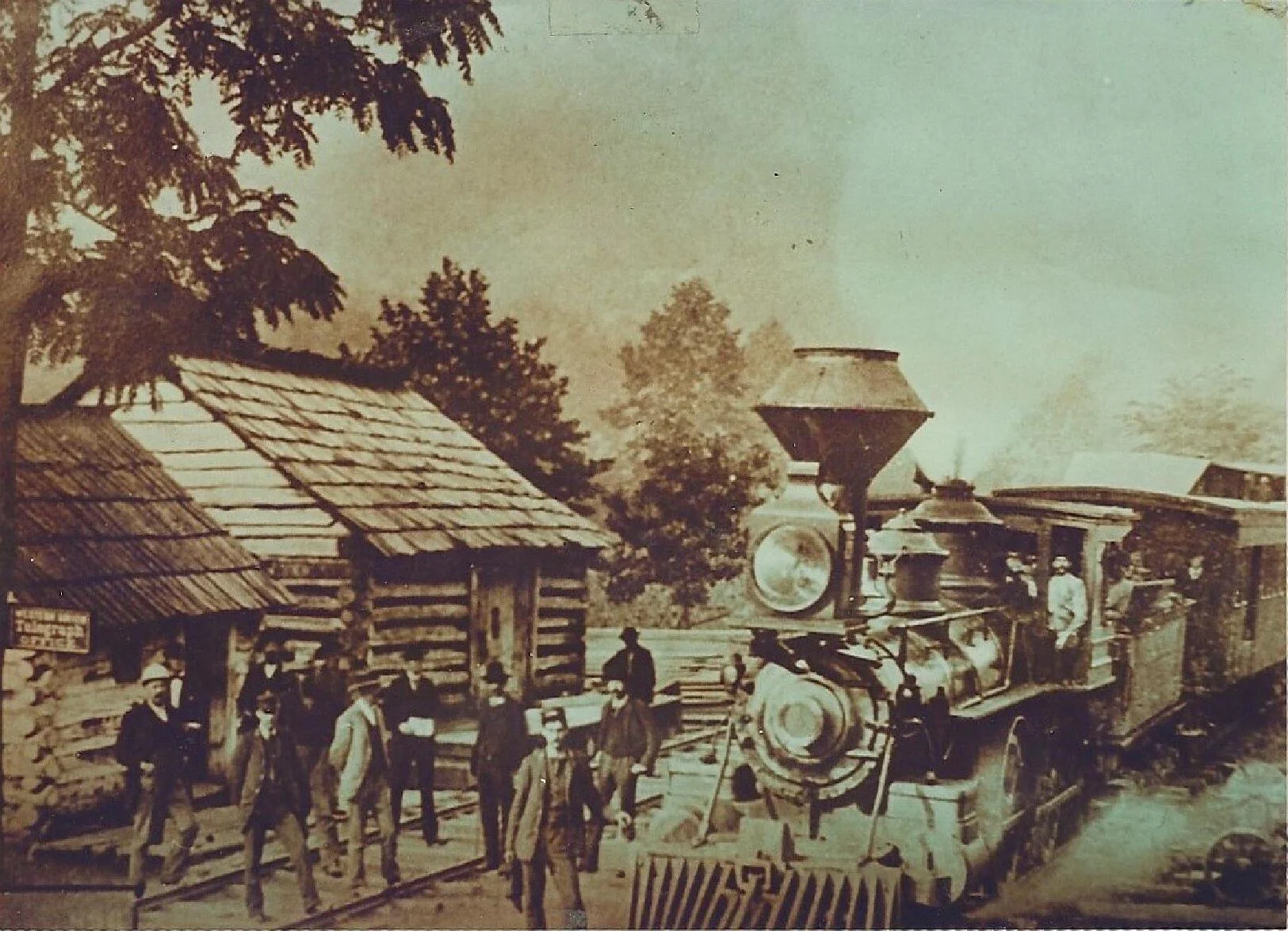
As Clarke Whittier was travelling to the area, eventually founding a little logging town along the railroad, the Methodist Church, split before the Civil War into the Methodist Episcopal Church and the Methodist Episcopal Church, South, over the issue of slavery, had sent a pastor to serve in Bryson City, then a growing logging town itself. According to The History of Bryson City United Methodist Church, by Mildred Wood,
“As early as 1879, a Methodist Minister, C. F. Sensebough, served as pastor to a small group of Methodist who met in the Bryson City Court House building, or in private homes. He had been appointed at the close of the 1879 Holston Conference in Bristol, Tennessee to the Charleston and Robbinsville Mission. Rev. Sensebough’s church reports tell of his riding horseback over the entire county to hold church meetings, with sometimes as few as six or eight people in attendance.”
Our own Josephine Patton Bird takes up the story from there, in her History of Whittier Methodist Church (1880-1988):
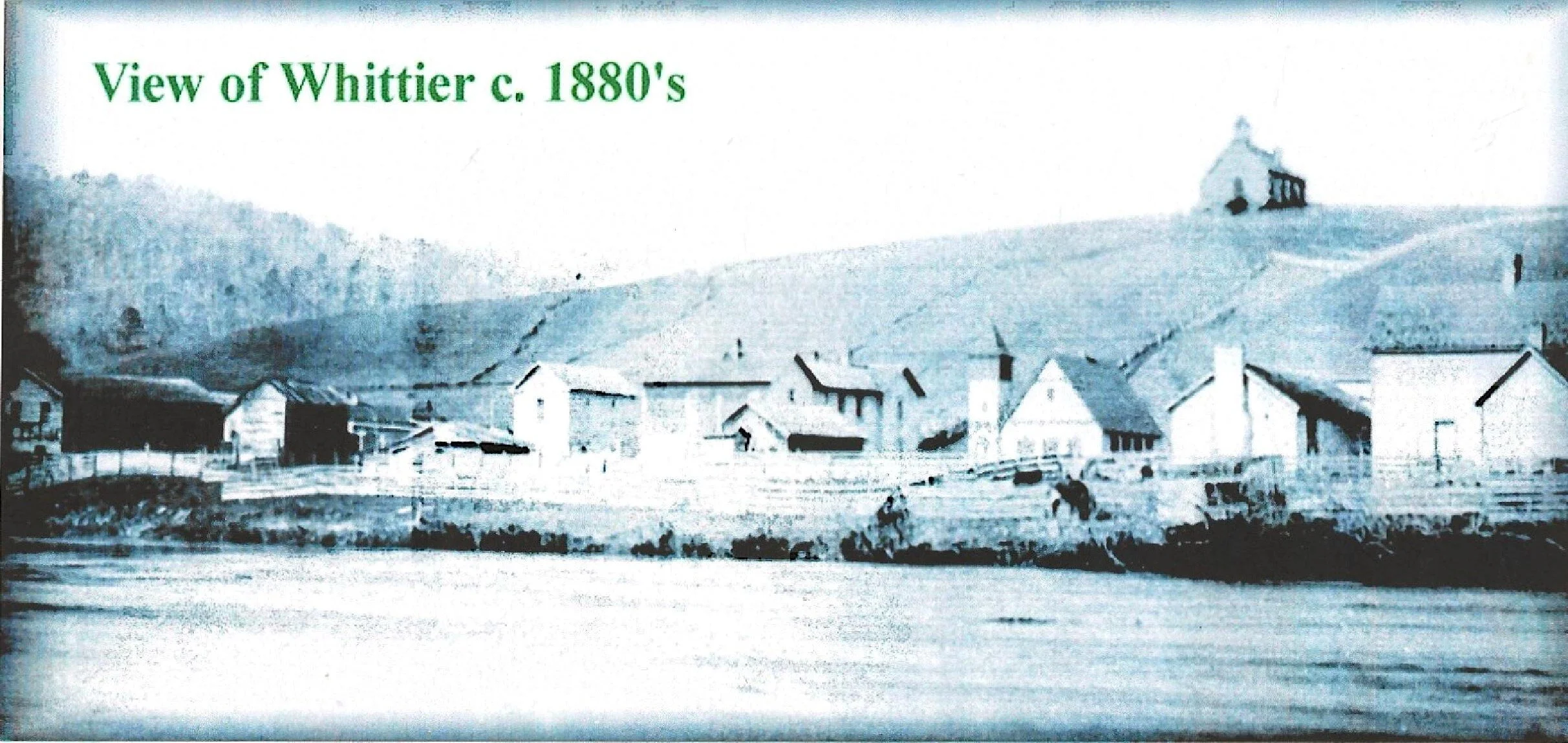
A short “History of Whittier Methodist Church” printed in the Whittier Methodist Church Service of Dedication Program held on May 31, 1953 states: “The Whittier Methodist Church, according to available records, was organized in 1880 and a little church was built on the hill overlooking the town of Whittier.” The earliest deed found to establish land purchased for the building of a church in Whittier, is a deed written in 1888. Containing two acres more or less, made by W. P. Hyde and his wife S. E. Hyde to E. Cooper, Rufus H. Sherrill, and E. S. Keener as trustees of the Methodist Episcopal Church “for the sum of one dollar to the use and behoof of the aforesaid Methodist Episcopal Church.”Although a date has not been established, a church was constructed on a small flat of this property beneath the old Whittier Cemetery on the path between the Tuckasegee and Conleys Creek. Some of those living at that time have passed on information that the meeting held in August of 1885 to found the town of Whittier was conducted in this church. There is no documentation to support this and seems unlikely since the deed for the property was not made until 1888; however, in reference to the following article published in the Asheville Citizen on March 25, 1951, it does seem likely that the meeting was held on the land where the church was later built.
From an Asheville newspaper
Easter Sunday March 25, 1951
Reverence and Dignity Marker the Founding of Town of
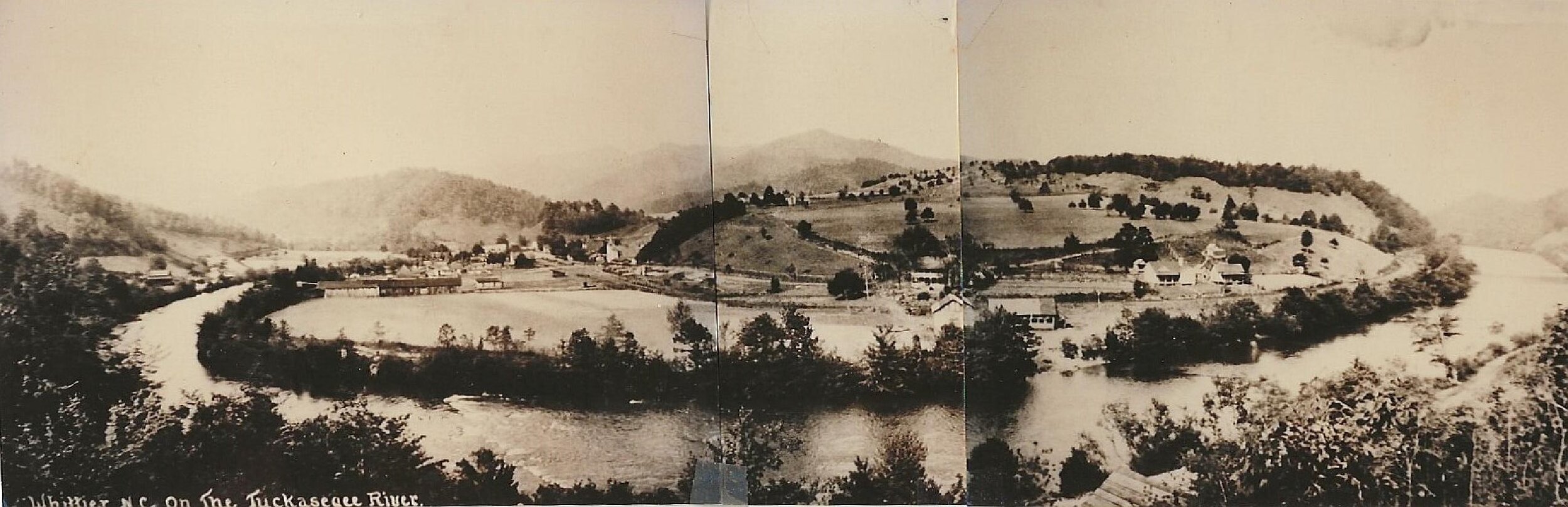
WHITTIER By C. R. SumnerAt the confluence of Conley’s Creek and Tuckasegee River on the 19th day of August, 1885, residents of upper Swain County gathered in solumn conclave. The story of that meeting and of the men who gave it the simple dignity that made it truly great is little known.
This reporter, seeking the facts about it, discovered that Dr. Clark Whittier, kinsmen of John Greenleaf Whittier, beloved poet, had come to Western North Carolina for this health. A man of great soul, he conceived the idea of founding a town and that was the purpose of the meeting that August day in 1885.
Real information was lacking, and in the course of research in the Sondley Reference Library, with the skilled aid of Miss Ida Padelford, the reference librarian, it became apparent that the facts must be sought elsewhere.
Several weeks ago, Miss Padelford wrote to Mrs. Harley Breedlove, librarian of Marianna Black Library, Bryson City, to enlist her aid. Mrs. Breedlove went to work and came up with the facts that make a thrilling story.
As that historical meeting was called to order, S. W. Cooper moved, and the motion was seconded by M. Zachary, that Thomas Stallcup be named chairman of the meeting.
Dr. Clark Whittier, who had been responsible for calling the meeting, a Canadian by birth, who had come to Western North Carolina from California, was naturally the center of attention.
“I move,” Dr. Whittier said, “that we start operations here upon the principles of the word of God, including all morality, and especially temperance and prohibition of the strongest form.”
The motion was immediately seconded and carried and as of one of accord all eyes turned to the Rev. W. H. Cooper, a retired Methodist minister and a gentle man of God whose long experience with human frailties had brought him ripe wisdom.
A sudden hush settled over the crowd and in that strange quiet J. M. Glance spoke, moving that Rev. Cooper officiate. In a second the motion was seconded by W. H. Thomas, Jr.
The elderly minister, his voice ringing with a sincerity that passed all belief, prayed:
“God our Father and our God, we are met today in Thy great name, on Thy footstool to found a town to be called or known as Whittier. In founding which town, we recognize Thy gracious hand and in this formal way, most solemnly and reverently consecrate it to thee and to the welfare of our common humanity. For the sake of Thy Son, most graciously accept our imperfect service and grant to us and our town Thy signal favor, from generation to generation.
“May it have world-wide fame for religion, mortality, and temperance. May it be free from epidemic and the noisome politician. May its widows never be turned empty away, or its orphans be heard to cry for bread. May no foul murder be committed on its streets, or its sacred soil stained by blood. May the wayfaring man find a lodgement here and lie down and repose in safety. May its pure atmosphere never be polluted by the poisoning fumes of intoxicating liquor or mother’s tears wept ever inebriate sons within its corporate limits. May the early and late rains descend upon it. May its gardens and orchards bring forth in abundance of the good things of life. May the voice of prayer and praise be heard in all its dwellings. May the poor and oppressed of earth find a refuge here. May it be the glory of our land and of mankind.
“God bless the founder, Thy servant, our benefactor, and may he long live to serve God and benefit mankind. The Lord give him purity of heart, sanity of mind, health of body and abundance of means, where with he may glorify God and bless man. As Thou didst prolong the days of Thy Hezekiah, so prolong his days. As Thou didst give Thy servant wisdom, grant him wisdom and may his talents for usefulness increase more and more. May we appreciate his efforts and hold up his hands by our prayers and cooperation.
“And we do not forget to thank Thee for the concert of action on the part of all the proprietors of the soil of which the town is formed, and who are of like principles with the founder. Make us an humble and God-loving, God-fearing people. These prayers we offer in the name of Jesus our great high priest above, to whom with the Father and the Holy Ghost be everlasting praise, Amen.”
This it was that, with the fervent words of the wise old spiritual leader ringing in their ears, the God-fearing people of upper Swain County founded their town of Whittier in reverence and dignity.
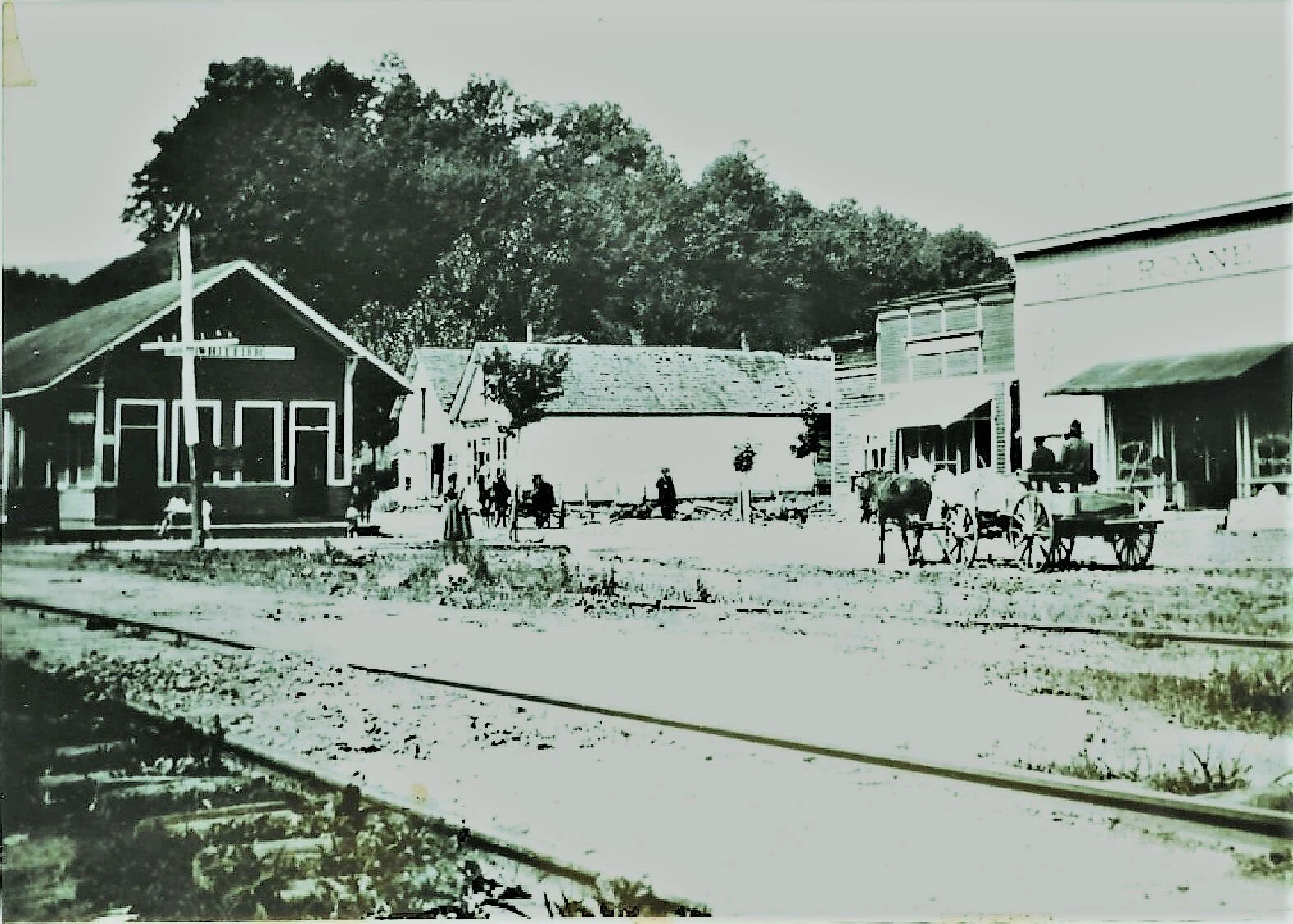
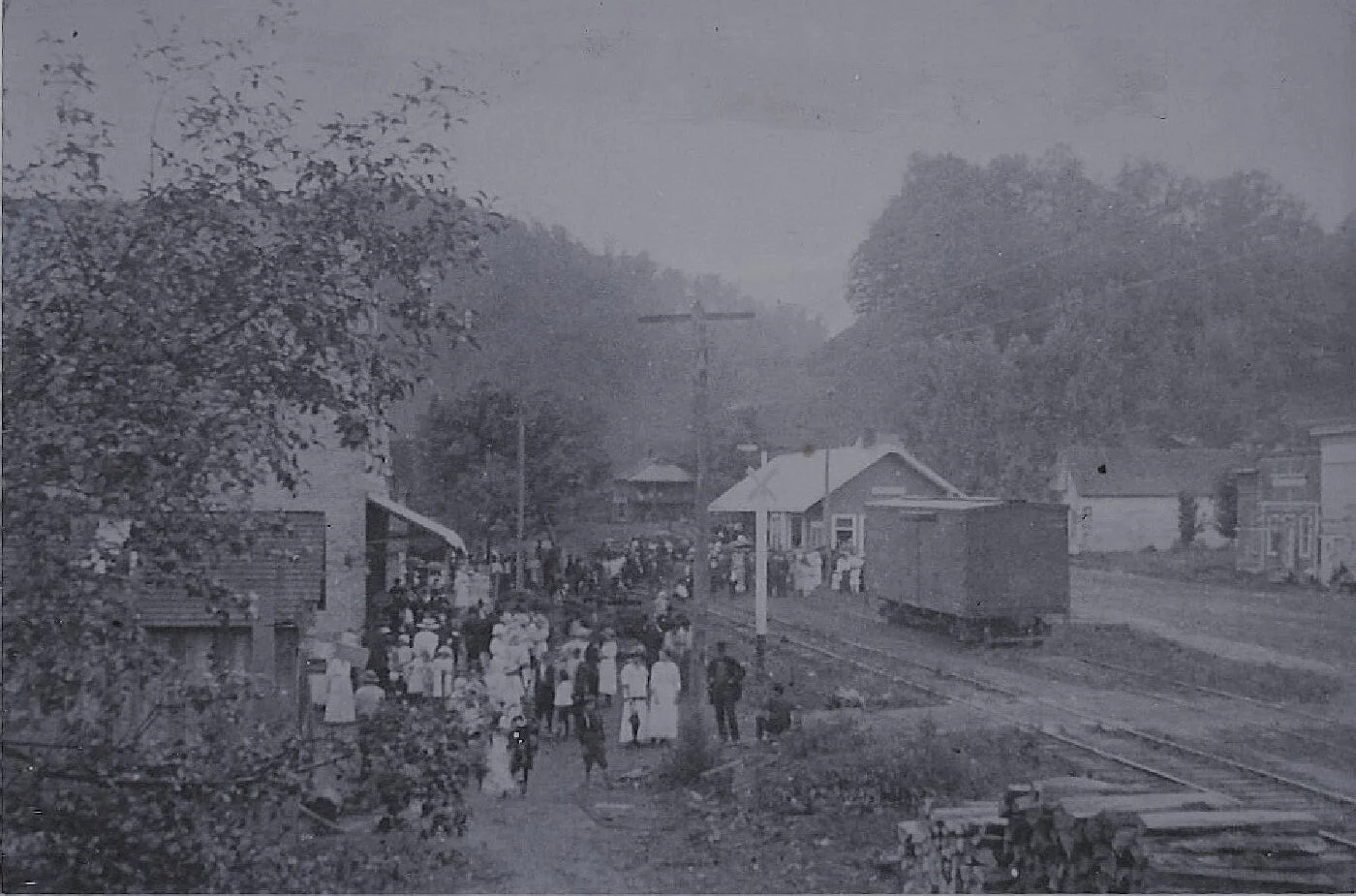
Records are not available to document ministers who served before 1898. It is thought that Rev. W. H. Cooper once served in this capacity. Information from the previous article refers to him as a retired Methodist Preacher. It might have been that the six preachers mentioned in excerpts from The History of the Bryson City Methodist Church served all of Swain County. It does state that Rev. Sensebough served the whole county in 1879.A deed was written on the twenty-fifth day of November, 1890 by E. Everett as Administrator for Clark Whittier to R. R. Wright, William Bumgarner, Trustees of the Whittier Methodist Episcopal Church South, at a price of one hundred dollars ($100) for 1/4 acre more or less known as the Roug House property. There is no mention of how the property is to be used.
The twelfth of December, 1893 a deed was written by and between S. W. Cooper and his wife Jane E. Cooper parties of the first part to R. L. McLaughlin, E. H. Hampton, S. W. Cooper, Trustees of the Whittier Methodist Episcopal Church South for the sum of fifty – five dollars ($55). “The said premises to be kept and maintained and disposed of as a place of residence for the use and occupancy of the preachers of the Methodist Episcopal Church South who may from time to time be appointed by the General Conference of said church and by the Annual Conference within whose bounds the said premises are situated.”[3]
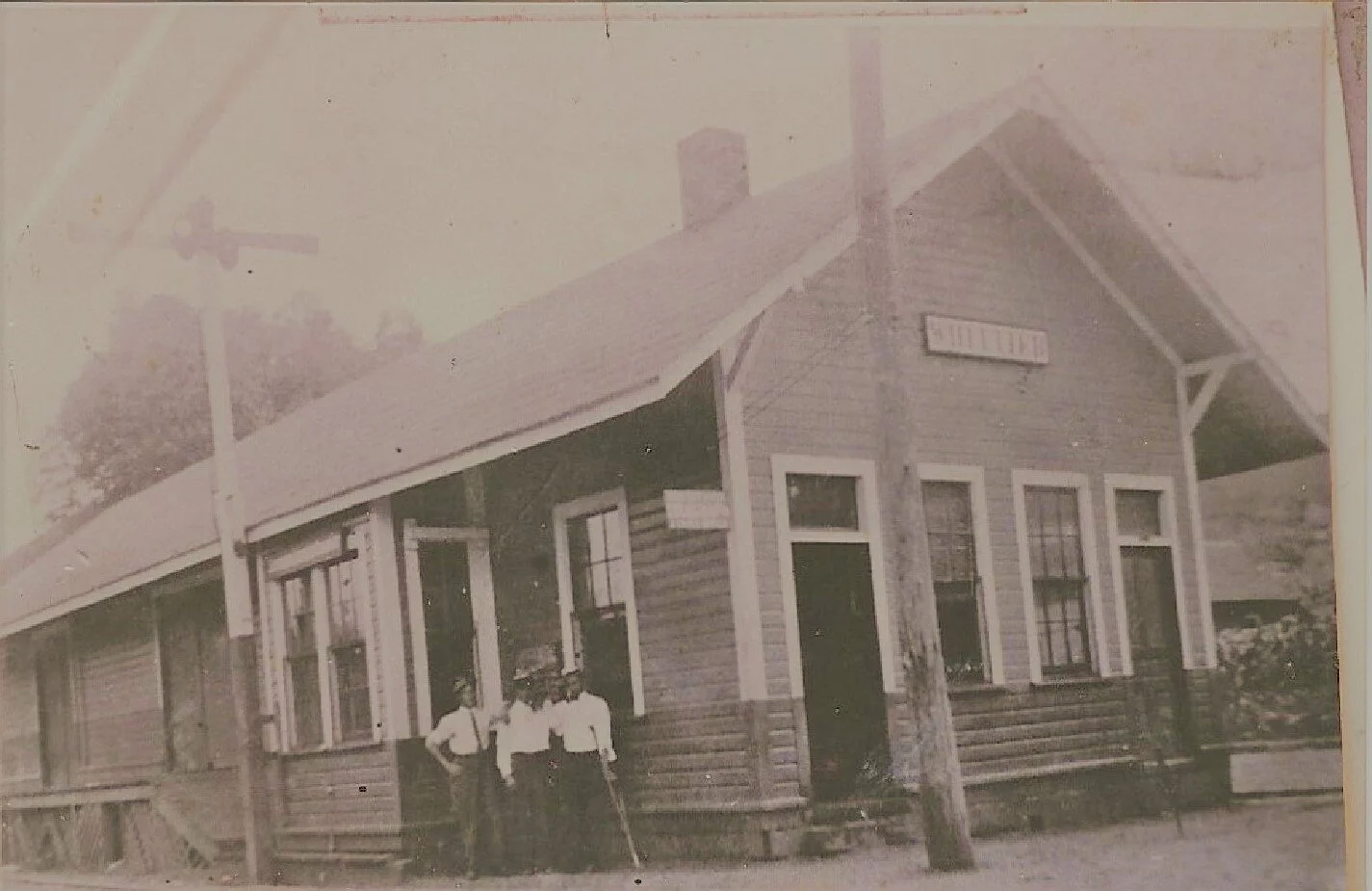
The location of the first church proved to be inaccessible. Through the efforts of J. W. Styles, Sunday School Superintendent, and the Rev. Ebenezer Myers, pastor, a tract of land containing 7/8 of an acre that joined the J. U. Gibbs and Kurlee property was purchased in 1898 by the trustees of the Methodist Episcopal Church South, S. W. Cooper, J. H. Teague, and J. W. Styles, from W. J. Miller and his wife Sallie for the sum of sixty dollars ($60). A one-room weatherboard church with beaded ceiling, a bell, and belfry was built near the railroad. J. W. Styles, one of the trustees, is credited with many hours of labor, often working alone, to build the church.
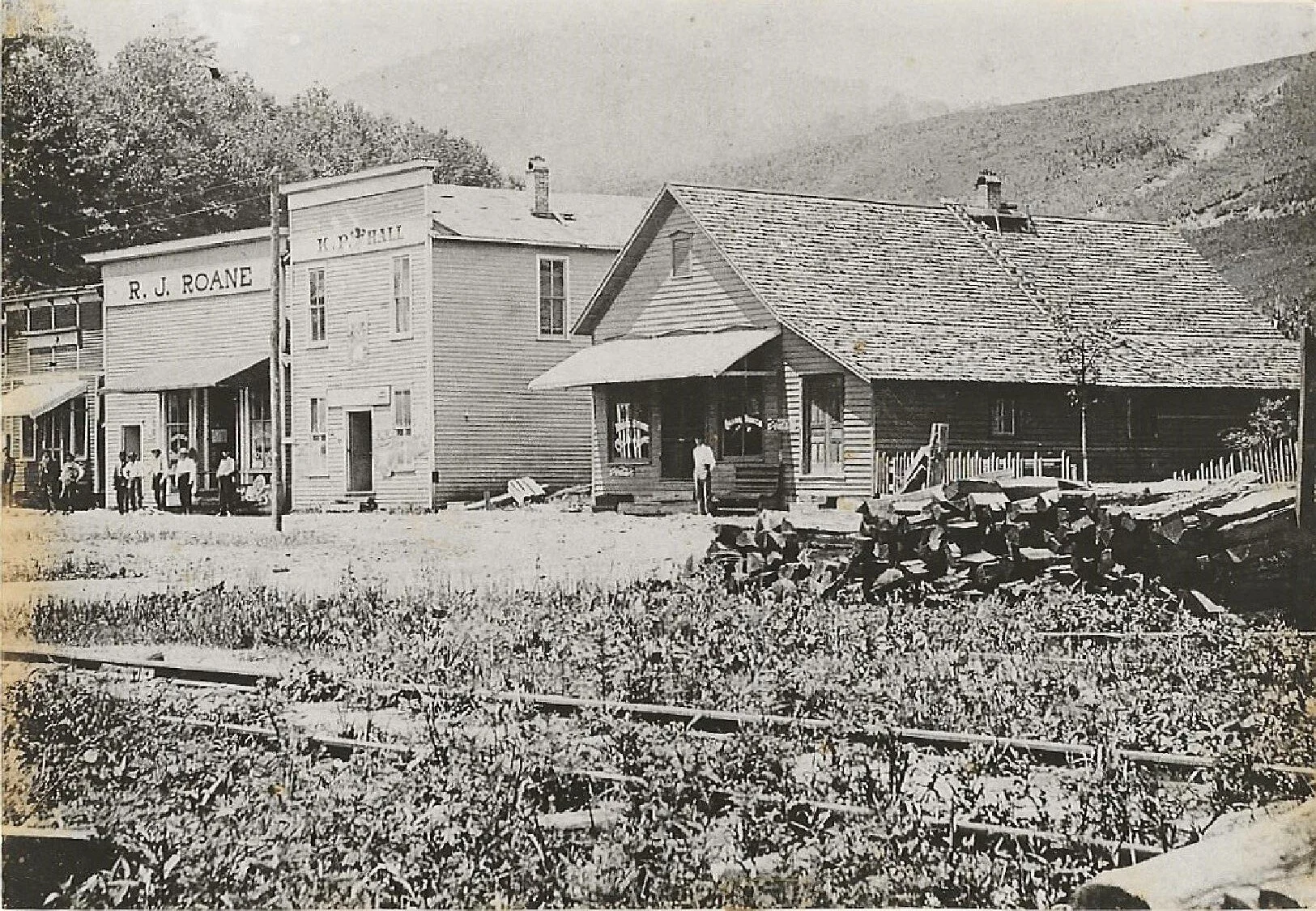
A dirt road that ran along the railroad passed the Methodist Church on the way to a wood yard where oxen pulled wagons to bring in logs and tanbark. J. V. Gibbs, who served the community and county as Sunday School Superintendent, local Postmaster, Superintendent of Swain County Schools, and State Legislature, lived next to the church.
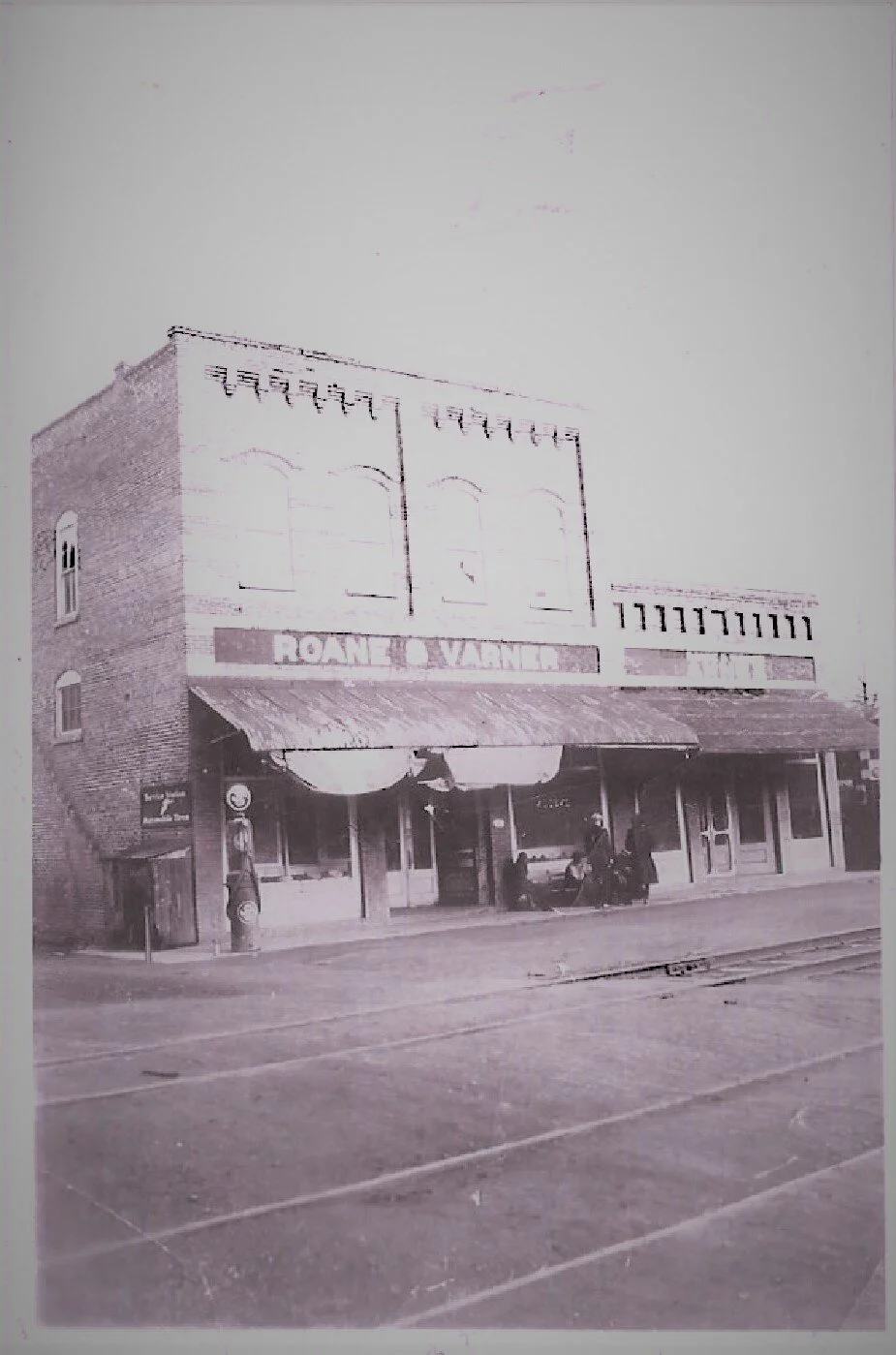
Others who lived on the Swain side of the Tuckasegee river near the railroad were Frank Enloe, S.E.Varner, and Bob Roan. Close by were the Post Office and the Roan and Varner Store. There was no business development on the Jackson side of the river.
“The Bryson City Methodist Episcopal Church was made a church station in 1903 with a pastors salary of $300 per year. A succession of ministers increased the activities of the local church, as well as served the out-lying Methodist Churches of Ela, Whittier, and Needmore. By the end of 1922, Bryson City’s Methodist membership had grown to 143; Ela’s membership was 27; Whitter boasted a membership of 140; and Needmore had 3 regular members.”[5]
Included in this report are lists of preachers from the Bryson City and Whittier Churches. Although the lists include many of the same names, dates do not coincide. More research should be done in this area to determine if and when the same minister served each church from the Bryson City station.
It would be difficult to compile a list of all those who served in the various areas of church work. It is known that the Rev. Ebenezer Myers was the preacher when the land was purchased and the new church built. Others remembered as serving during this period were Sunday School Superintendents, S. E. Varner and J. V. Gibbs; Sunday School Teachers, the former two gentlemen, Maybelle Cooper Henson, and Maude Green; and Secretary-Treasurer, E. T. Moody. The four daughters of Rev. W. H. Cooper were very active and dedicated members of the Methodist Church; Maybelle Cooper Henson taught a Sunday School Class, previously mentioned, and was a member of the Women’s Missionary Society at Whittier; Viola Cooper Terrell worked many years as a Sunday School Superintendent and Sunday School teacher at the Shoal Creek Methodist Church; Virgie Cooper Hoops, mother of Teague Cooper who became a Methodist Minister, and Estelle Cooper Keener worked diligently in the Whittier Church until Virgie moved to Asheville and Estelle to Canton.
Charter members of the Women’s Missionary Society were Mrs. Jack Peyton, Mrs. Bob Roan, Mrs. E. T. Moody, Mrs. J. T. Gibbs, and Mrs. Troy McClain. The latter served as a district officer and completed training at Pfifer College in the presentation of study courses. This provided an invaluable resource for the spiritual and intellectual growth of the Society members. At one time these ladies were instrumental in providing funds to re-roof the church by collecting hens and selling them to poultrymen.
Birthdays were recognized by depositing a penny for each year of age in a “Special Sunday School Collection.” Offerings made on the fifth Sunday were given to the Methodist Orphanage.
A log cabin was built beside this church in 1934, during the time C. W. Clay was pastor. Mr. P. O. Elliott, who lived in a large white house across the railroad from the church, accompanied Rev. Clay to visit John Parrish, father of Mary Parrish Williams, to secure logs for the building. Mr. Parrish donated the logs and work began immediately. Mr. Elliott and his son Lloyd cut and hauled the timber with horse and wagon. When completed this building served as the meeting place of the Epworth League and other church activities.
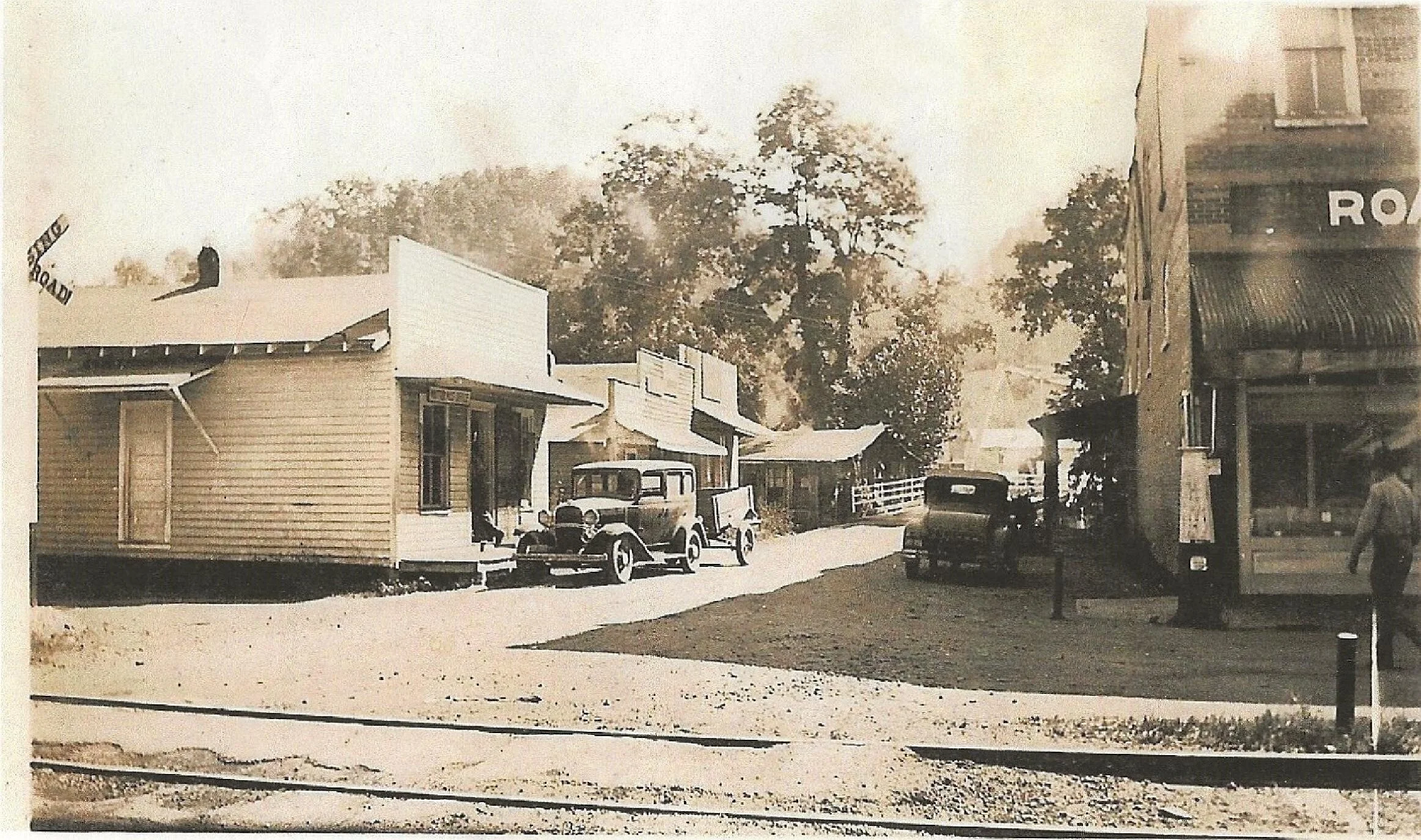
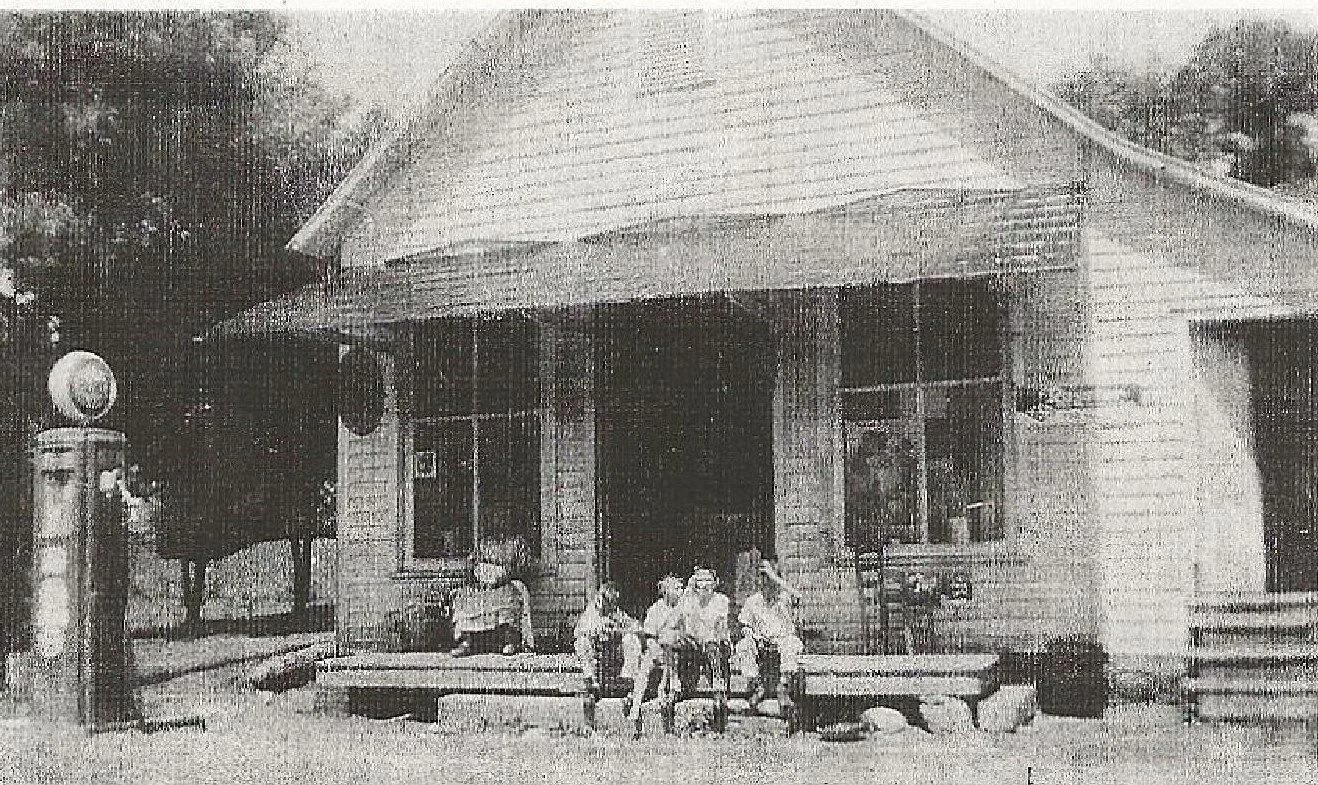
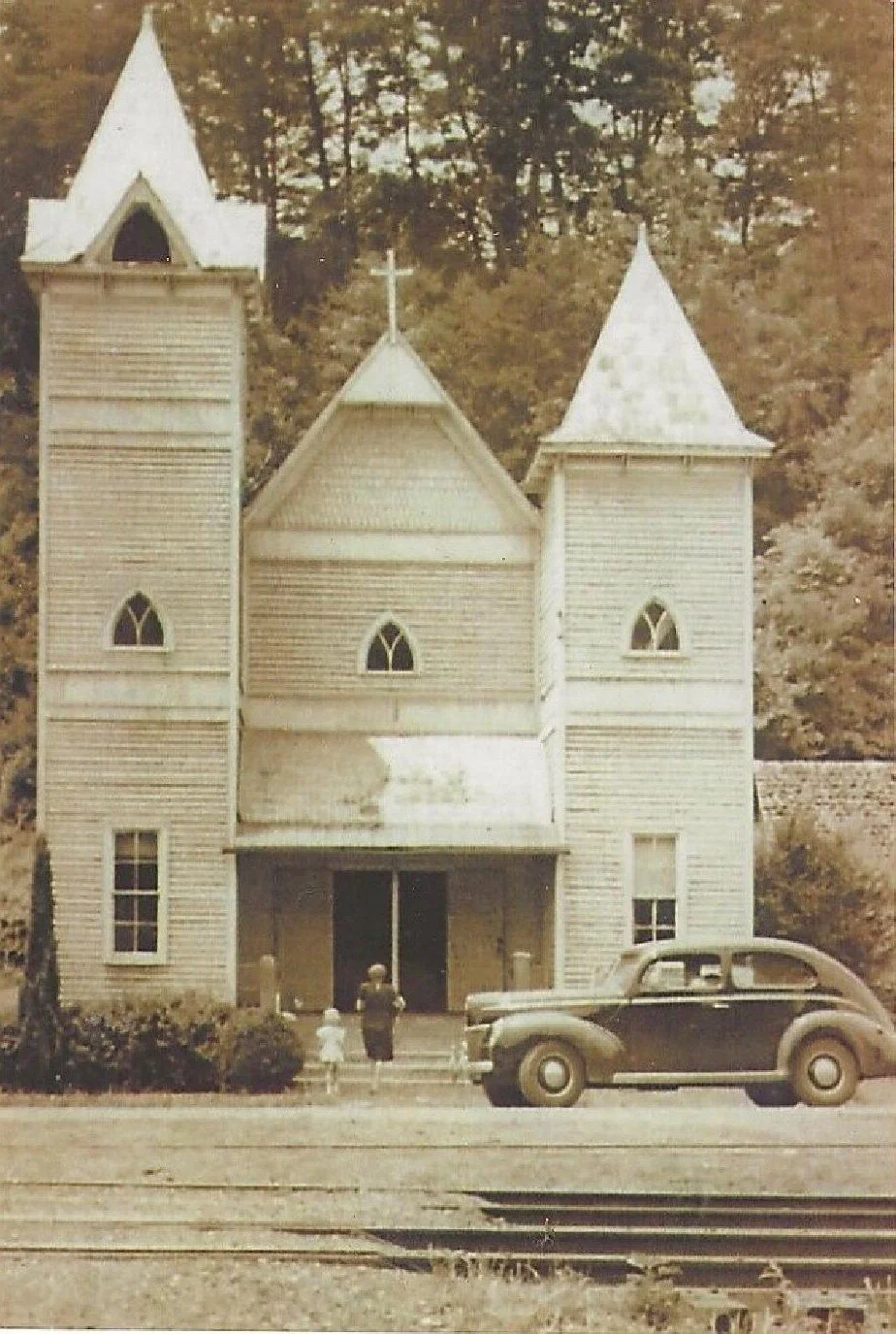
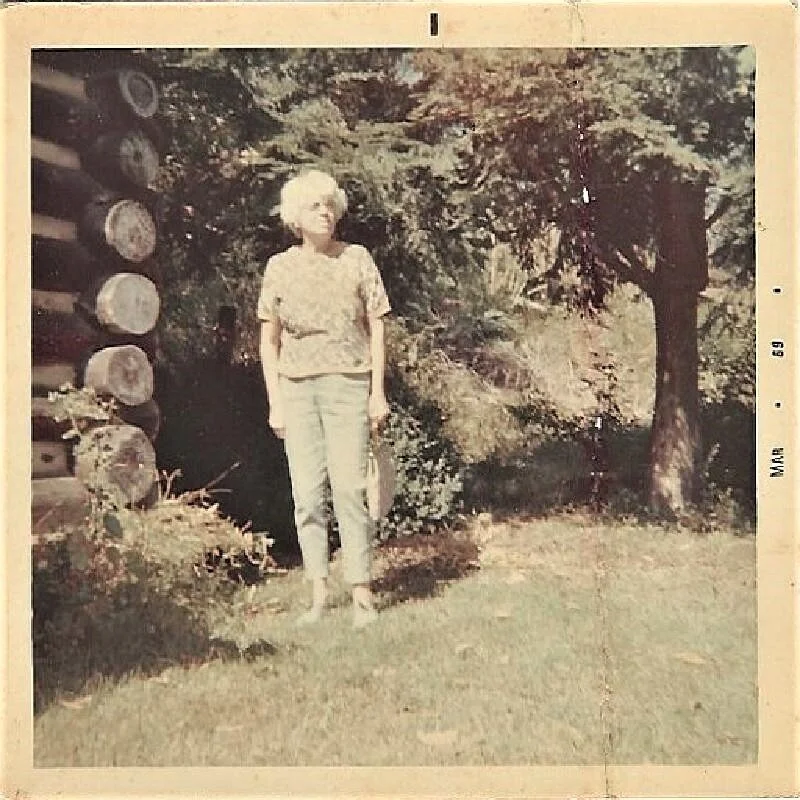
Wilma Ashe remembers these things about the church activities after her family moved to Whittier in 1922.
-Mr. Robert Roan was Sunday School Superintendent.
-Mr. Ulrich Gibbs was teacher of the Men’s Bible Class.
-Mrs. Dick Whisenhunt was organist and Wilma was told that Mrs. S. A. Ashe and Maude Green preceeded Mrs. Whisenhunt.
-Sunday School was announced by ringing the big bell at 9:30 and 10:00 AM.
-Prayer meeting and choir practice were held every Wednesday night.
-Special programs were given by children for Promotion Day, Easter, Mother’s Day, Fourth of July, Thanksgiving and Christmas.
-The new pastor was always given a surprise “Pounding” when the members would meet to storm the parsonage with pounds of staples to fill the pantry.
-Wilma and her sister Madge became Sunday School teachers while still in high school. Since there were no class rooms, classes were held on the lumber piles close by.
-Sunday School classes used Roan and Varner’s big truck for many trips and picnics.
-When there was a death in Whittier, all the businesses placed a black crepe paper bow on the door and closed for the day. The local people made all the arrangements; digging the grace, placing the catafalques, flowers, etc. Members of the church, neighbors, and friends went to the house of the deceased and did many chores. The body was laid out, dressed, and put in a casket that stayed at the home until just before the services. A group sat up all night while the family rested.
-Rev. C. W. Clay married Matilda “Tid” Dunlap and Charles Edge in the church on Oct. 4, 1934 at 8:00 PM. Mr. and Mrs. Woodrow Parton were witnesses.
-Rev. Clay married John Ashe and Wilma McHan in the Log Cabin on Feb. 9, 1935. Witnesses were Mr. and Mrs. Edge. Guests included members of the McHan Family, Maureen Ahse, and John Revis.
-The only formal wedding held in this church was performed by Rev. O. E. Thorne when he married Martha Patton and Wesley Huggins on July 13, 1947.
-Eva McHan, Wilma’s mother, who operated the Whittier Hotel for 30 years, was a very active member helping with the Epworth League, the Women’s Aid Society, and making many flower arrangements for church services, meetings, etc.
-Vernon McHan, son of Eva McHan, became church sexton at a very young age and served in this capacity for many years.
-Every year the church sent delegates to the North Carolina Conference.
-During this time the church was the social center for youth activities and the Ladies Aid Society was involved in many activities that gave support to the entire community.The flood of August 28, 1940, which damaged property and destroyed bridges along the banks of the Tuckasegee River, also flooded the Methodist parsonage occupied by supply pastor Rev. C. L. Fisher and his family. The facility was extensively damaged and many church records were destroyed. The charge had purchased the parsonage at a cost of $1600 and due to flood damage was sold for only $200.
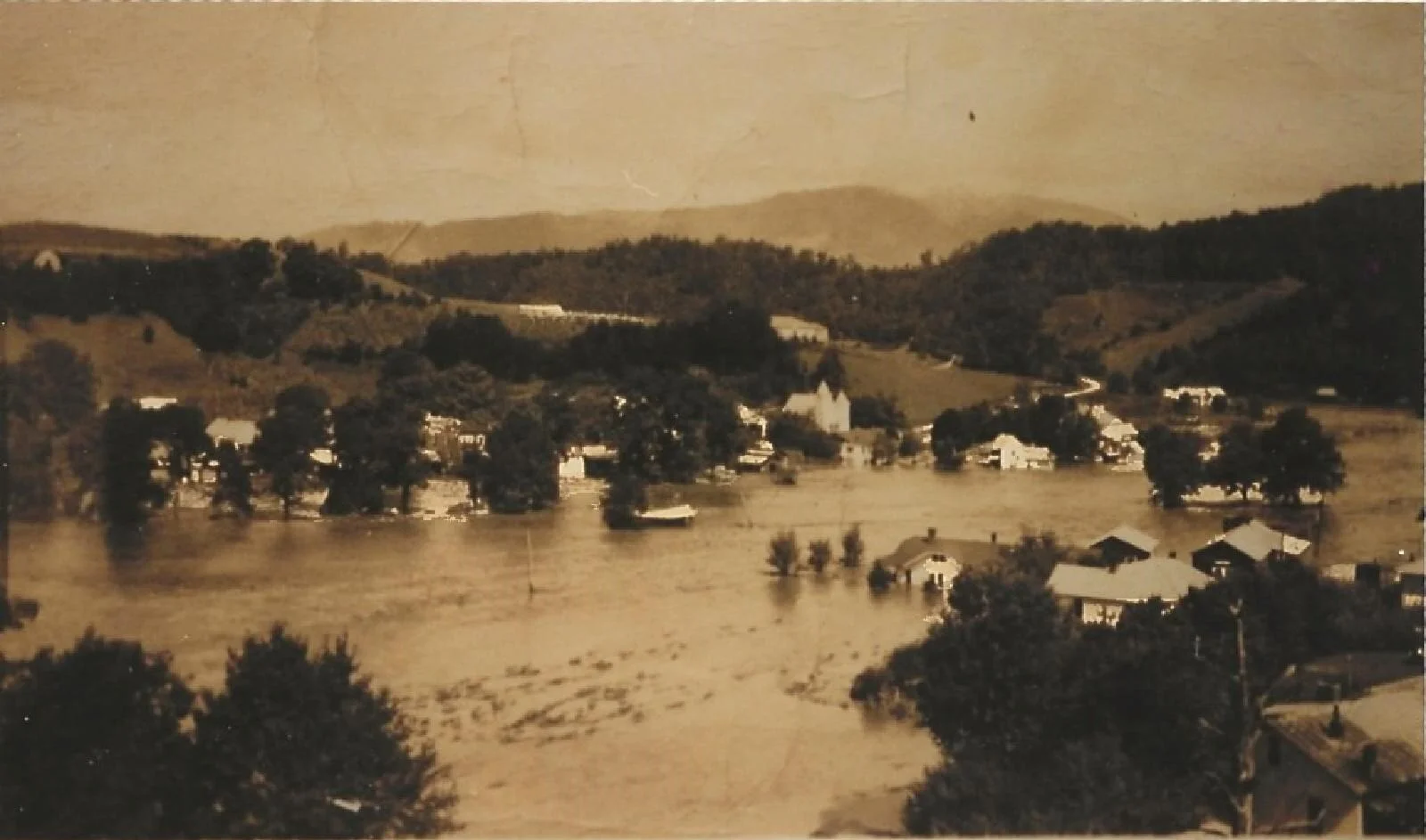
The conference in 1940 appointed W. E. Andrews as minister and a new parsonage was purchased for $1400 from J.O. Fisher, Sr. At the time this residence was well furnished and considered one of the nicest homes in the community. Andrews served four years. During his tenure he was married to Peggy Slope, a child was born and he began the campaign to raise funds for a new church.
This effort was reported to the second quarterly Conference on May 16, 1943 by the pastor, W. E. Andrews, who said, “Far into the future we see a fine church building for Whittier and we have started the ball to rolling by asking all who are interested to contribute a small sum of money each month to the church building fund. Our first month is not quite over and we have over $45. May God help us in this great undertaking.”
Rev. Andrews was assigned in 1944 to the Franklin circuit and later became a missionary to Brazil.
World War II created a shortage in clergies. Following Rev. Andrews were two ministers who served for a total of 18 months and then the charge was without a minister. The Building Fund grew slowly until Russel L. Young, a retired chaplain who had just returned from overseas service, accepted a temporary appointment and remained until the end of the conference year. Although his tenure was short, under his leadership the actual building program was launched. The plan for the building was selected, and a lot was donated by Mr. and Mrs. J. E. Barrett and Mr. and Mrs. T. T. Varner. These members were appointed to the Building Committee: W. G. Stallcup, Chairman; Mae Stallcup, Treasurer; Mary Williams, Secretary; Hazel Revis, Assistant Secretary; Thelma Moody, T. T. Varner, Lulu Gibbs, and Harriet Jenkins.
The old church, which had served the congregation for approximately 50 years, was sold to Blanche Gibbs on November 22, 1946.[7] Money received was placed in the building fund. Additional funds came from the Methodist Church Conference Board, $1,000; Church extension, $1,500; and Duke Endowment, $3,750. In 1947 a loan of $2,500 from the Board of Extension was granted.
On January 16, 1949 it was voted to sell the parsonage; use the funds for the church building; and to make an apartment on the second floor of the educational building to serve as a parsonage. This property was sold to the Robert Varner family.
On April 3, 1949, the Whittier Methodist Church had its formal opening. Rev. O. E. Thorne, pastor of the church officiated. Rev. R. L. Young, Pastor of the Waynesville Methodist Church delivered the sermon.
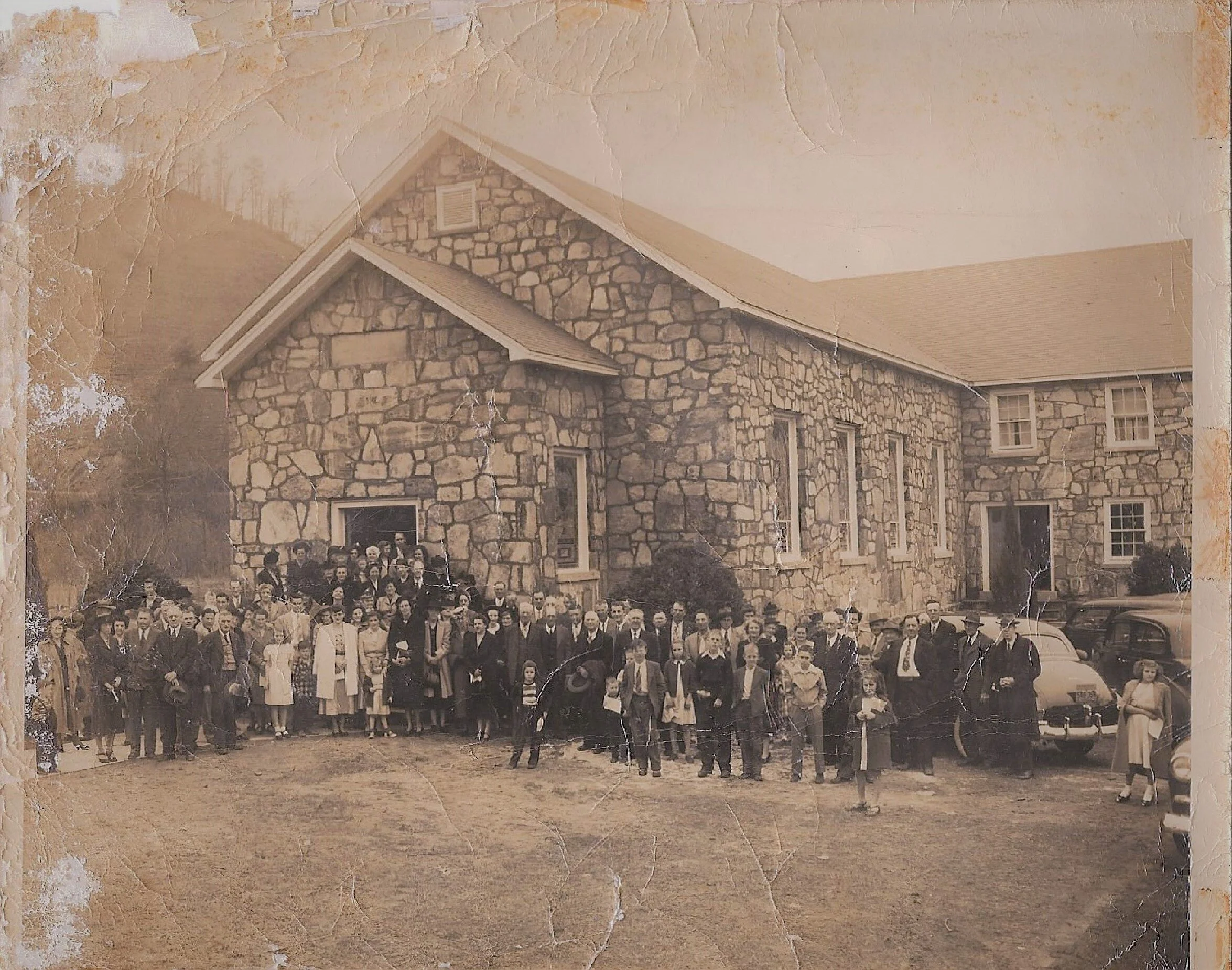
Contributions of Labor: W. Glenn Stallcup, W. T. Patton, Troy Martin, James Sawyer, Howard Turpin, Bryan Thomas, Emerson Cathey, Doyle Hooper, Will Moore, Vincent Jenkins, John Cathey, James Varner, George Shepherd, Clarence Martin, Elmer Williams, Clyde Cathey, A. Hanley Gibbs, Theo Estes.
The church’s stained glass windows were all sponsored and donated by the generation that built the church.
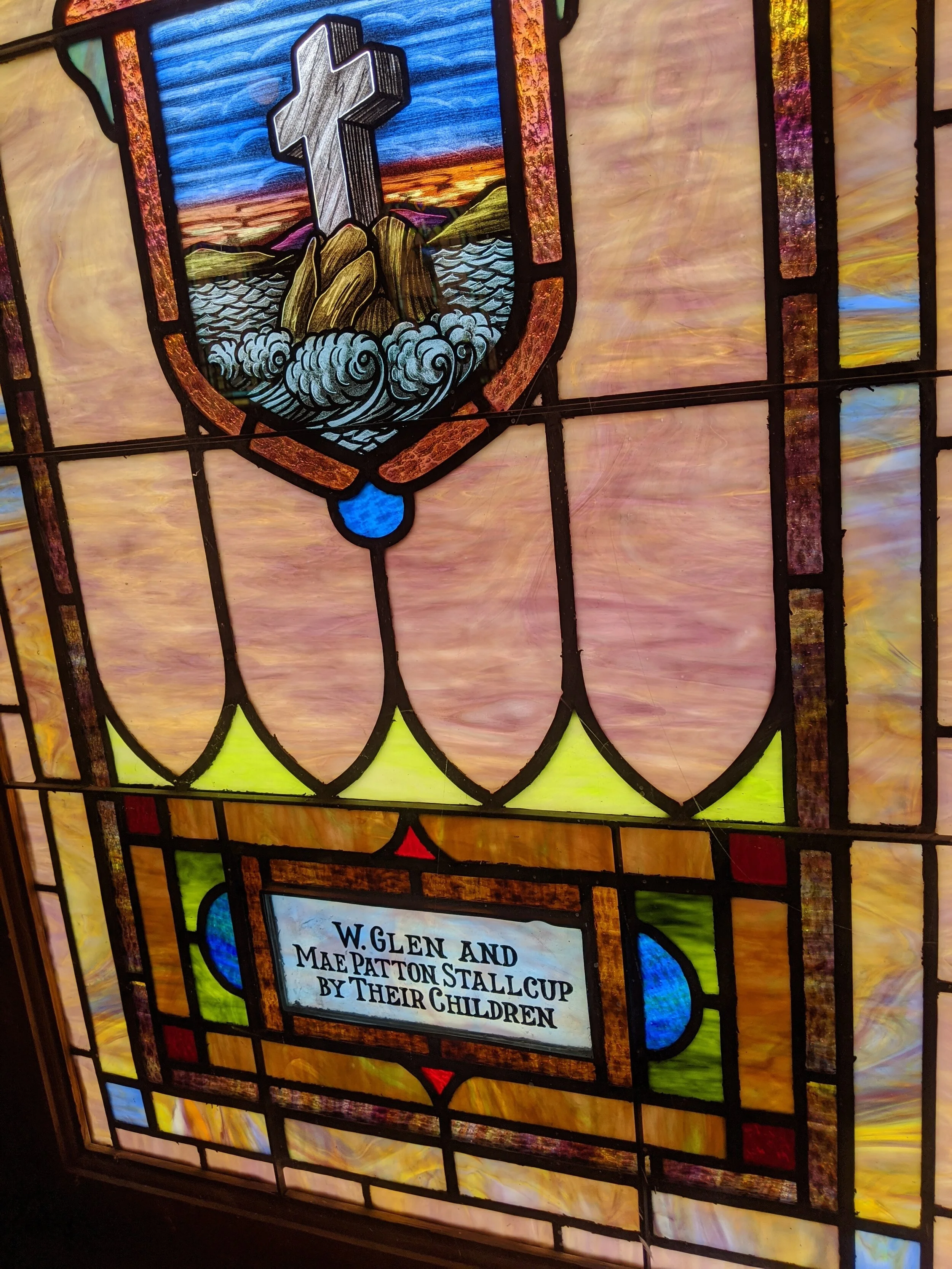
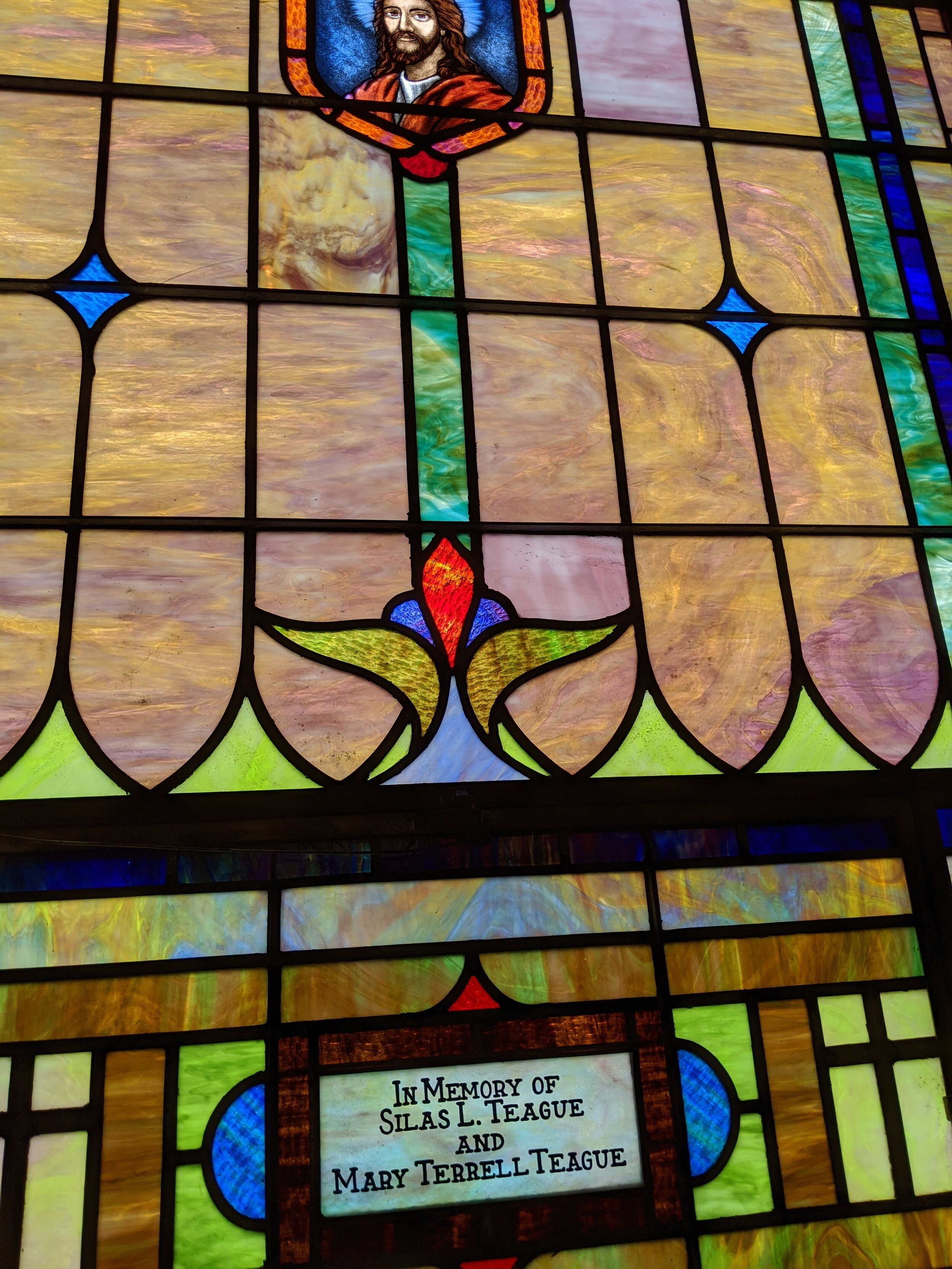
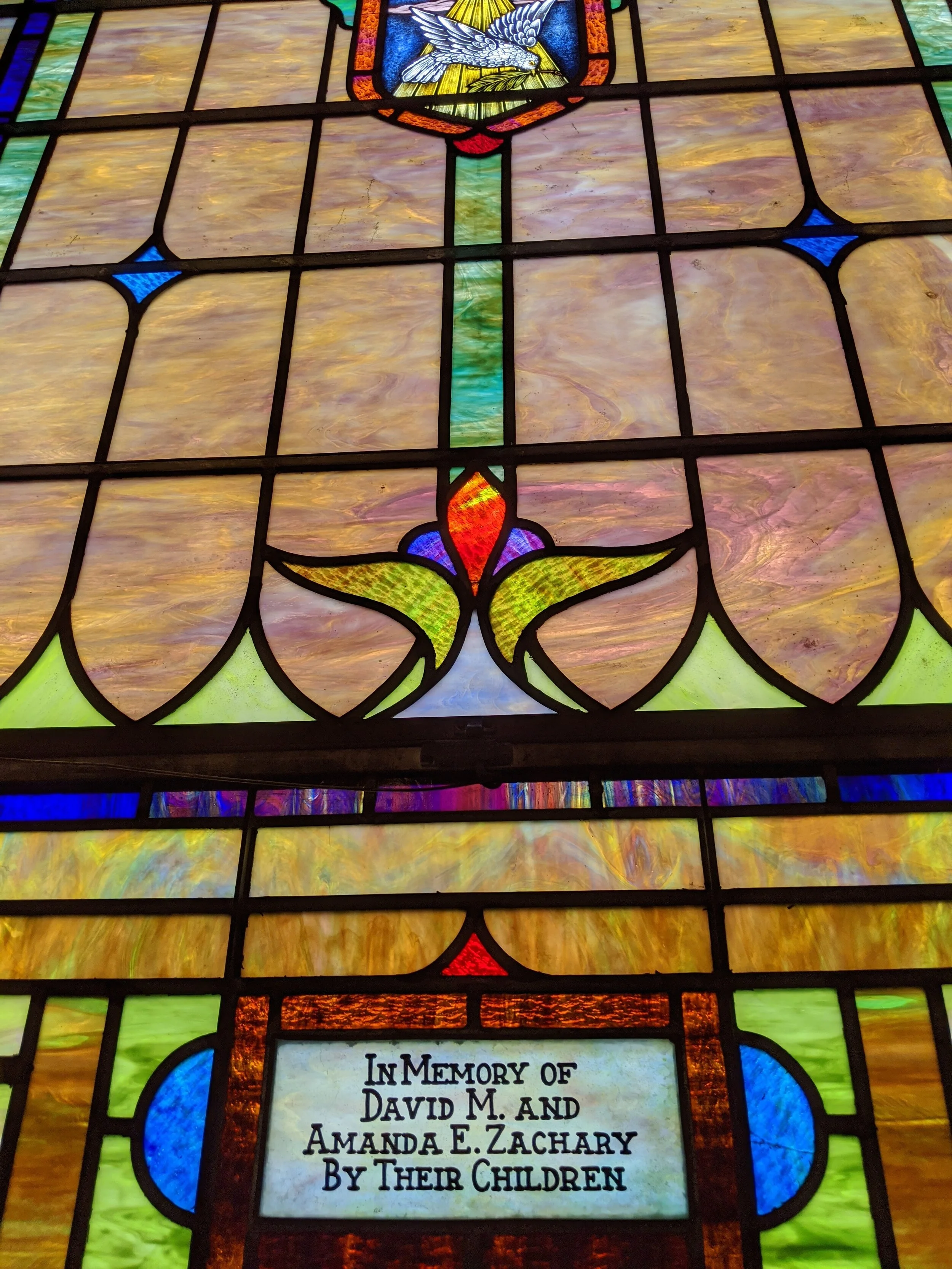
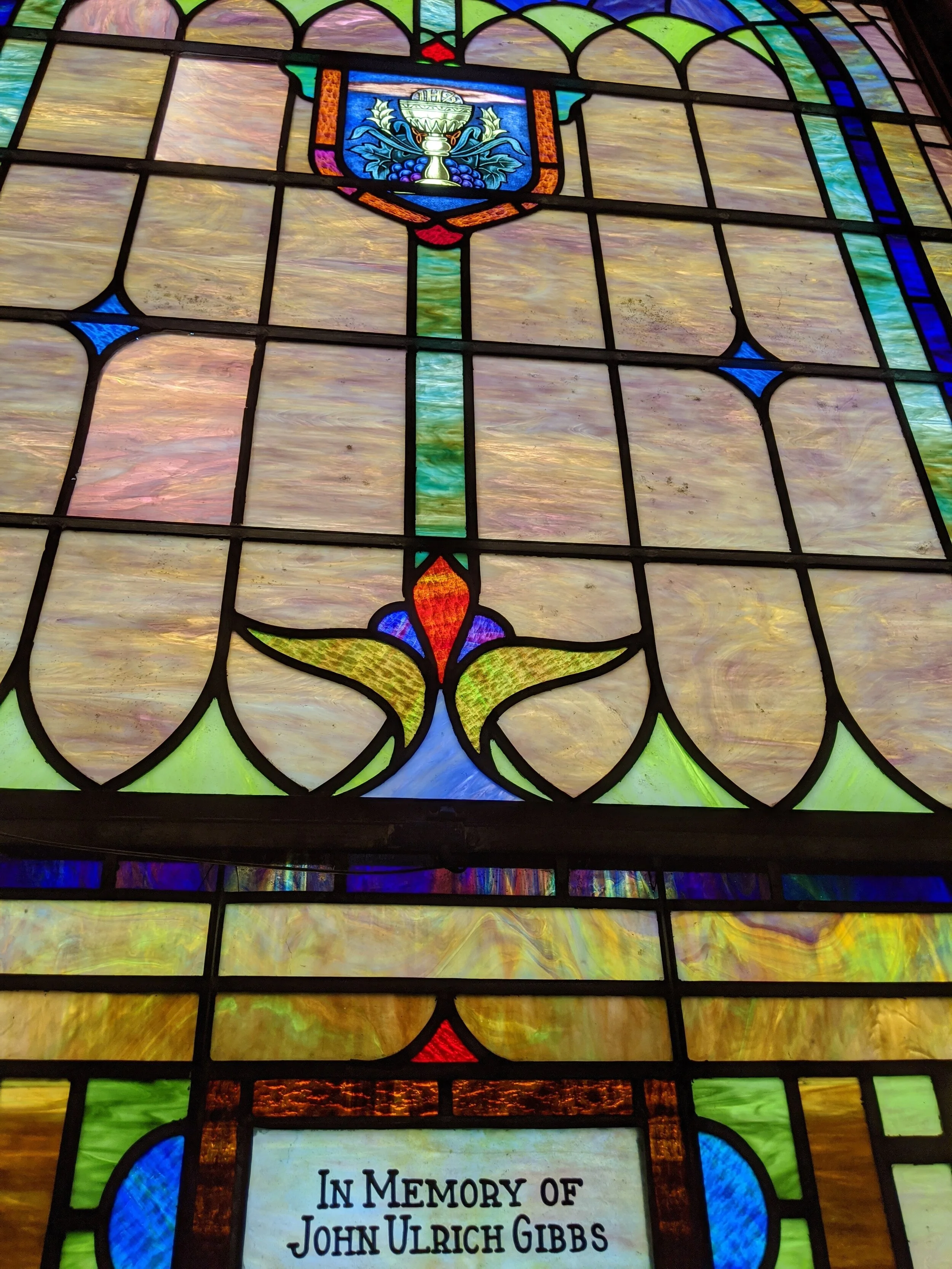
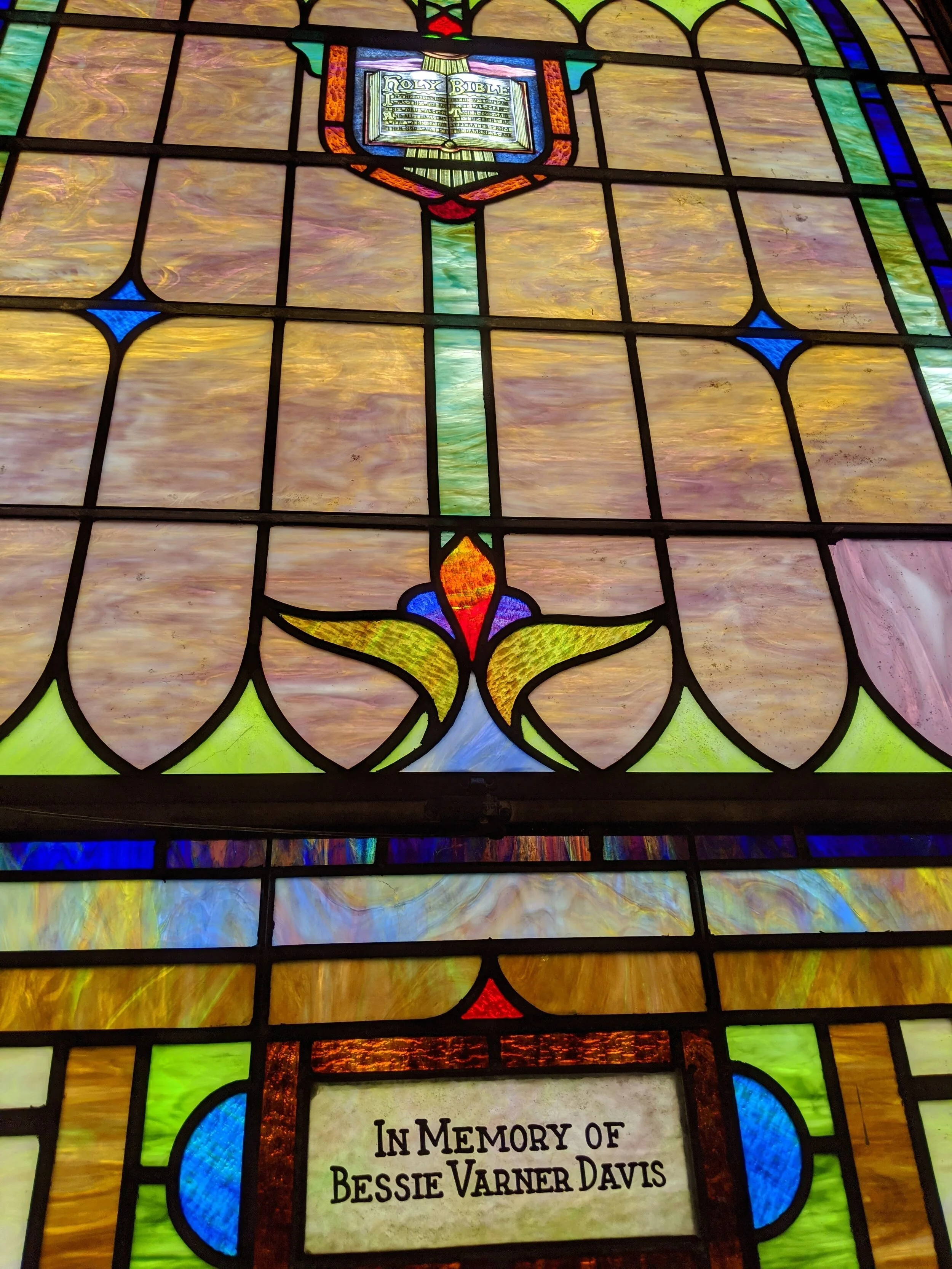
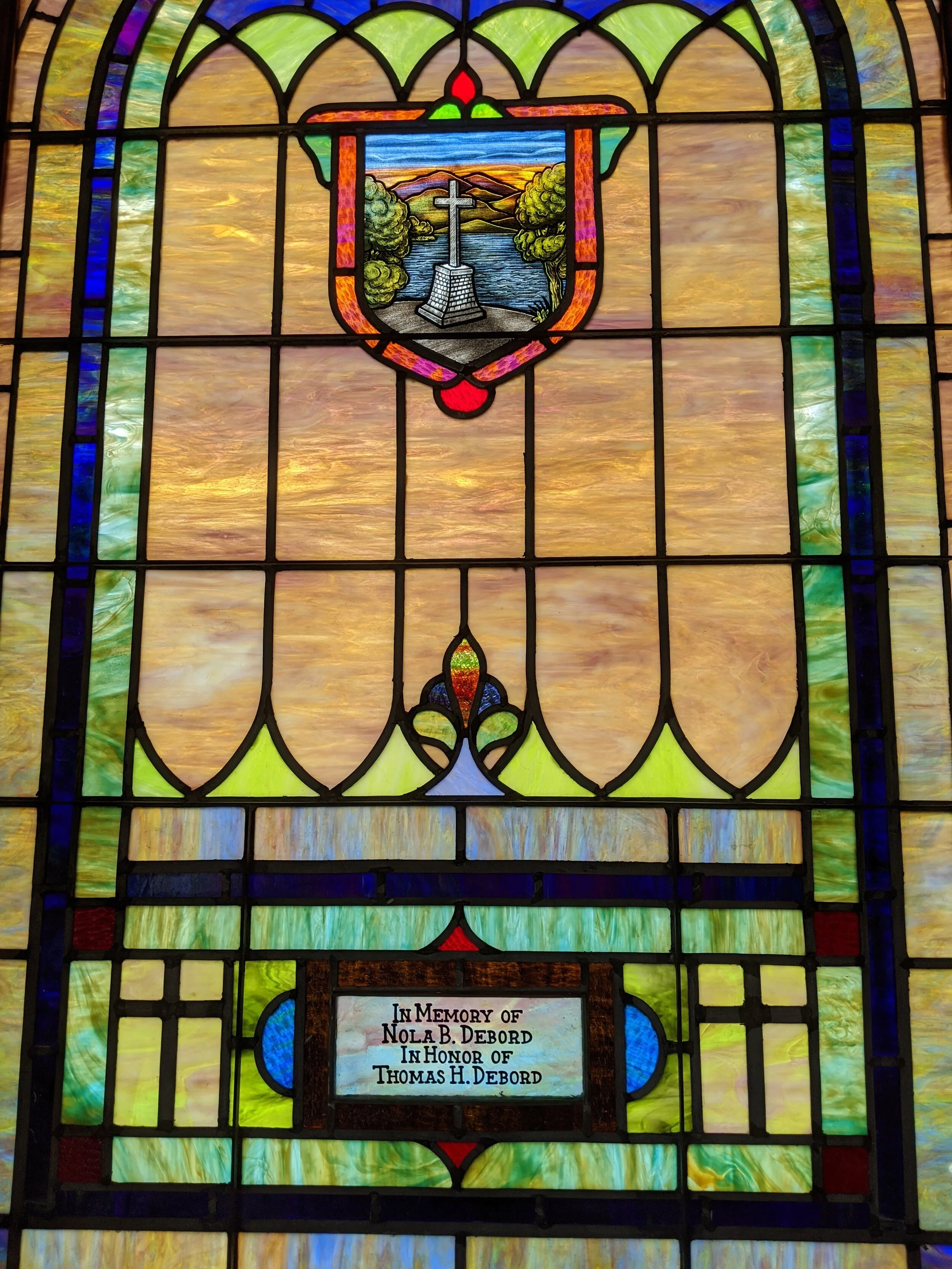
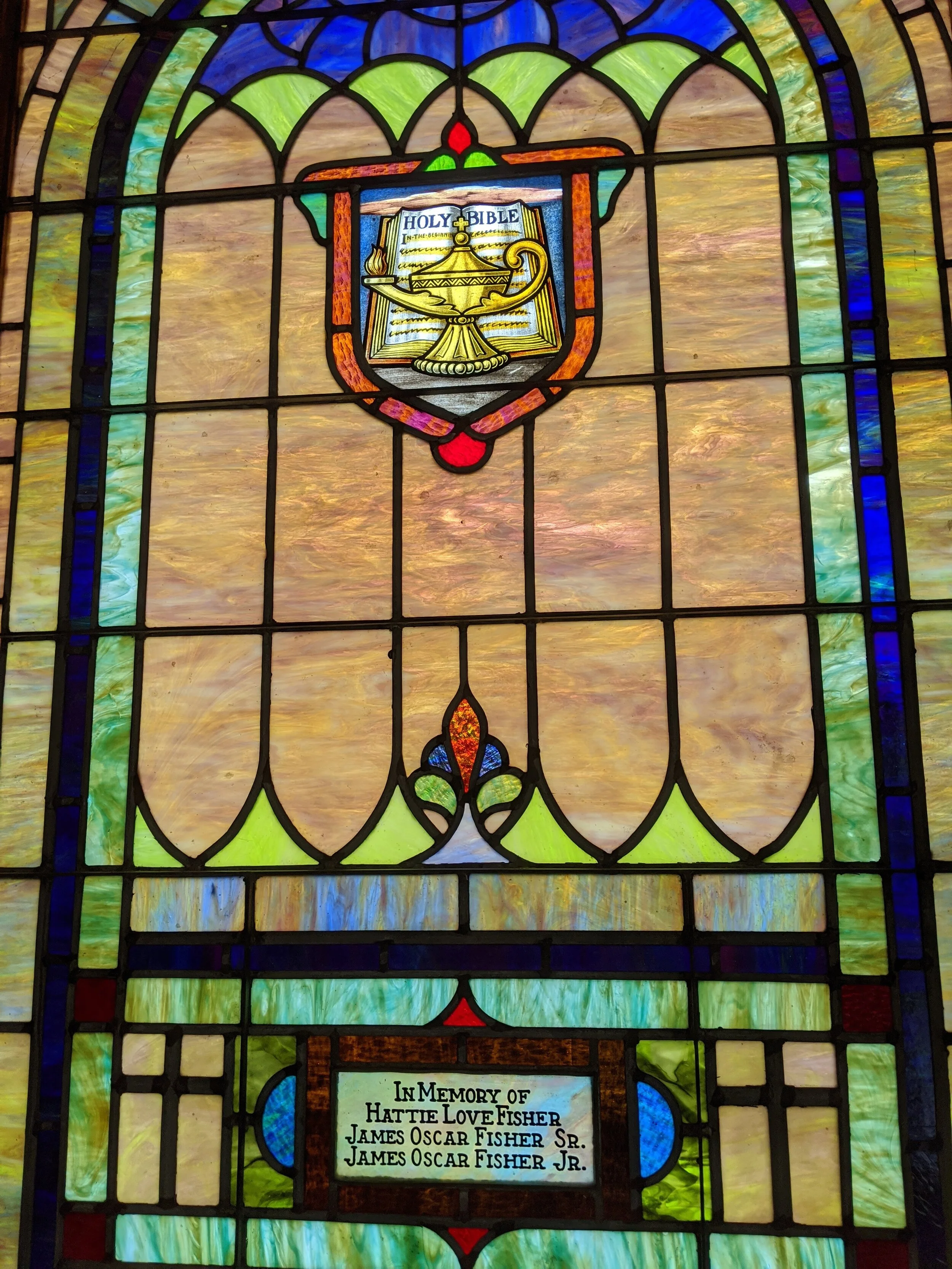
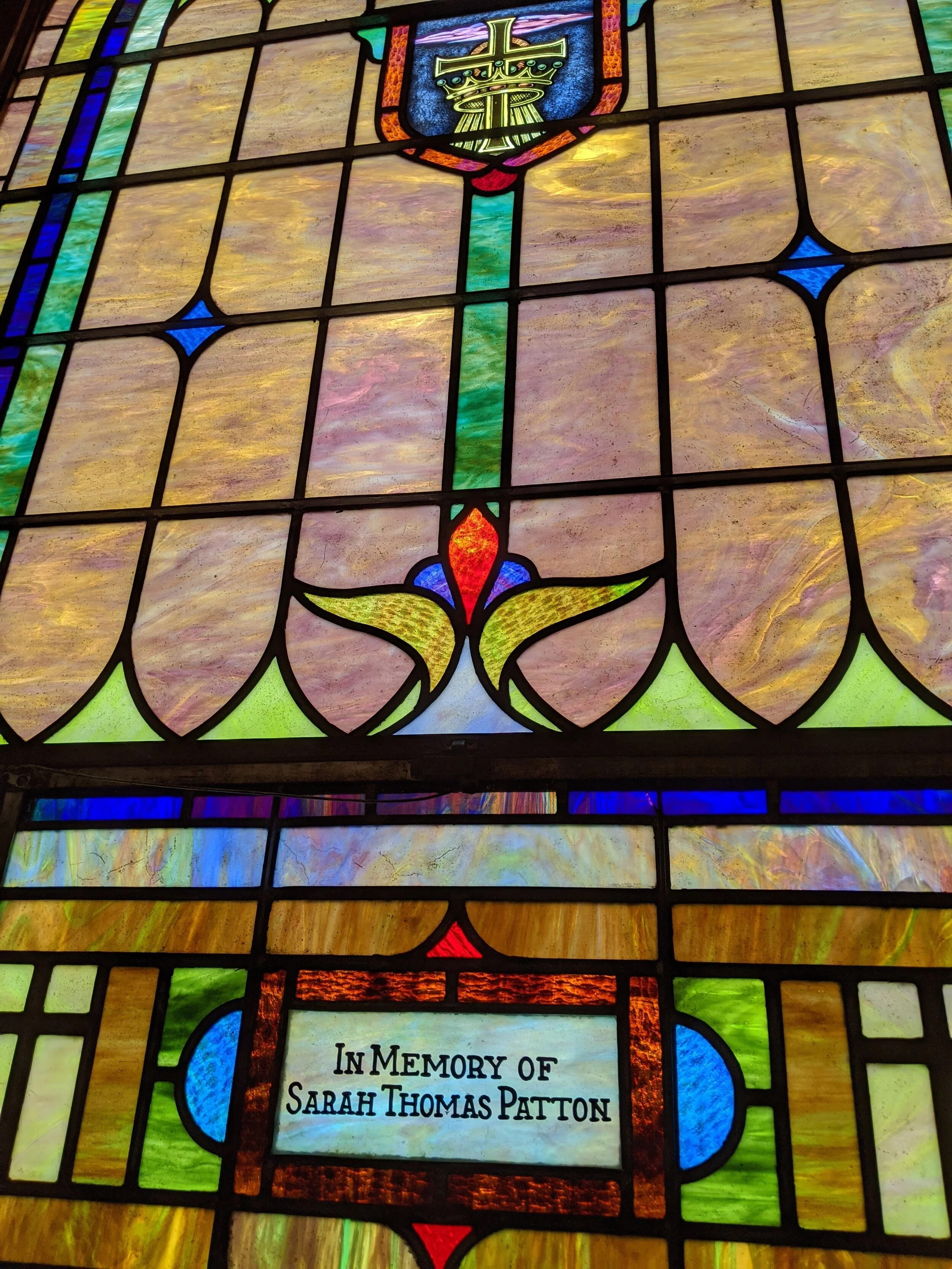
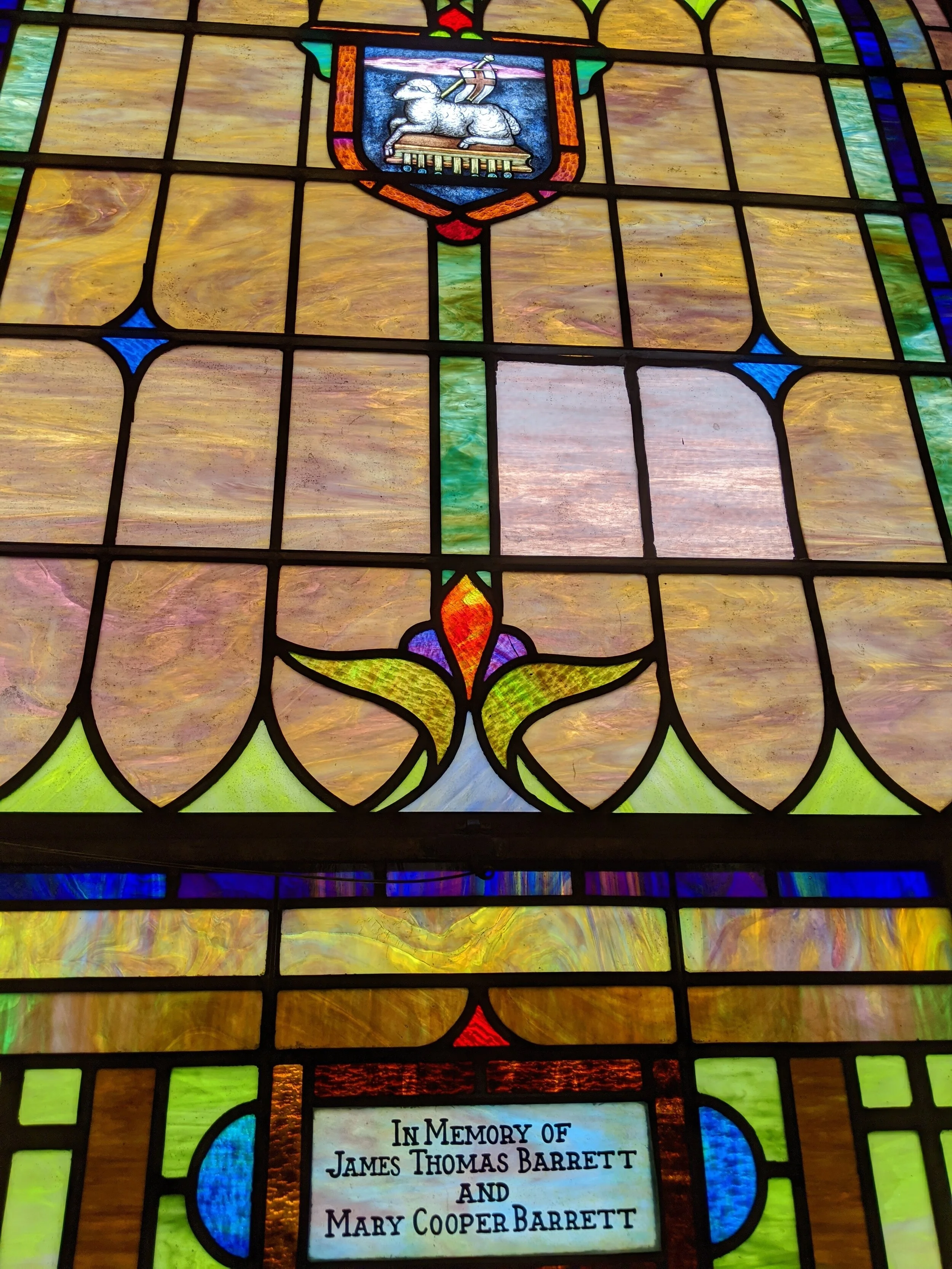
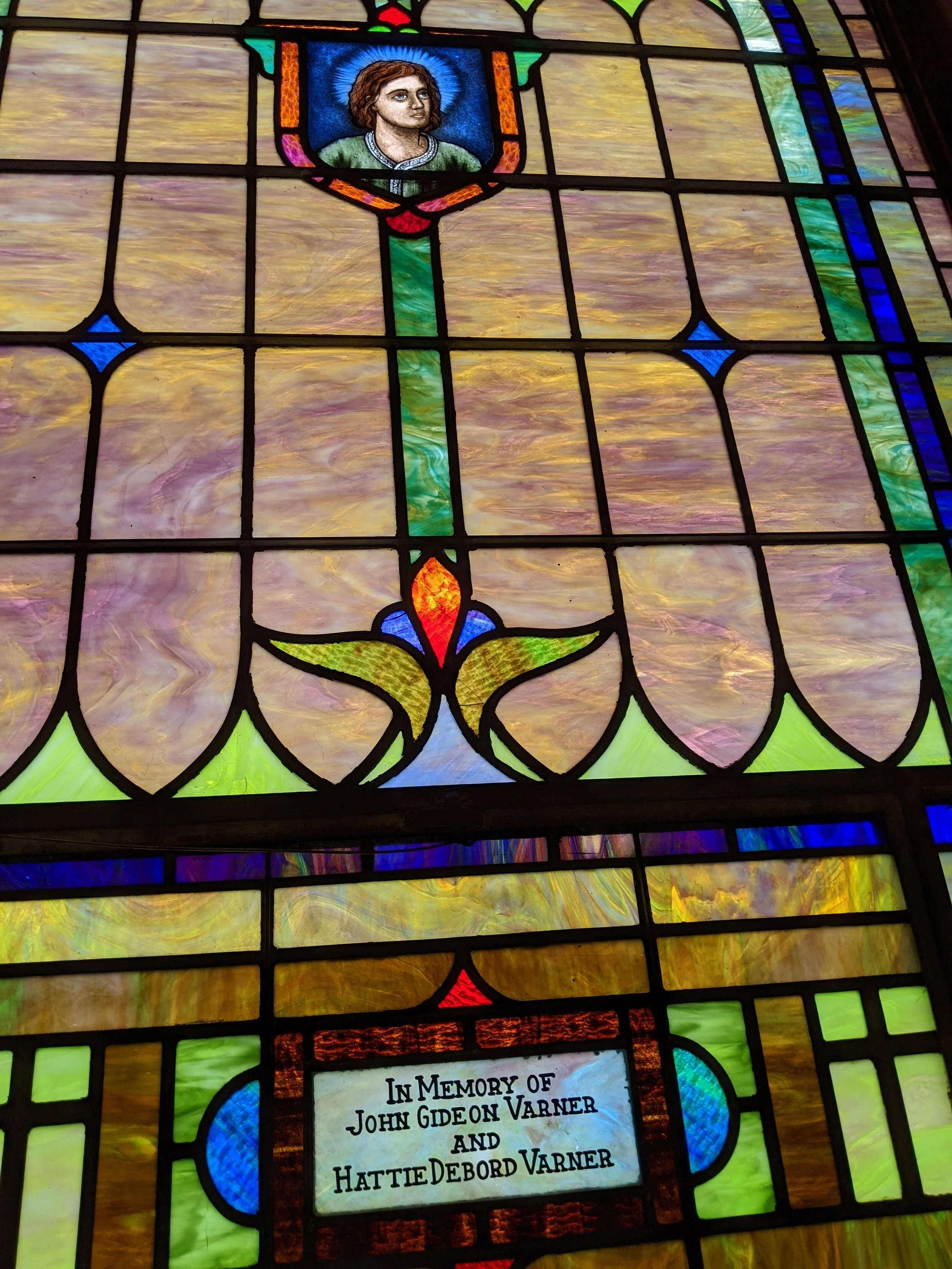
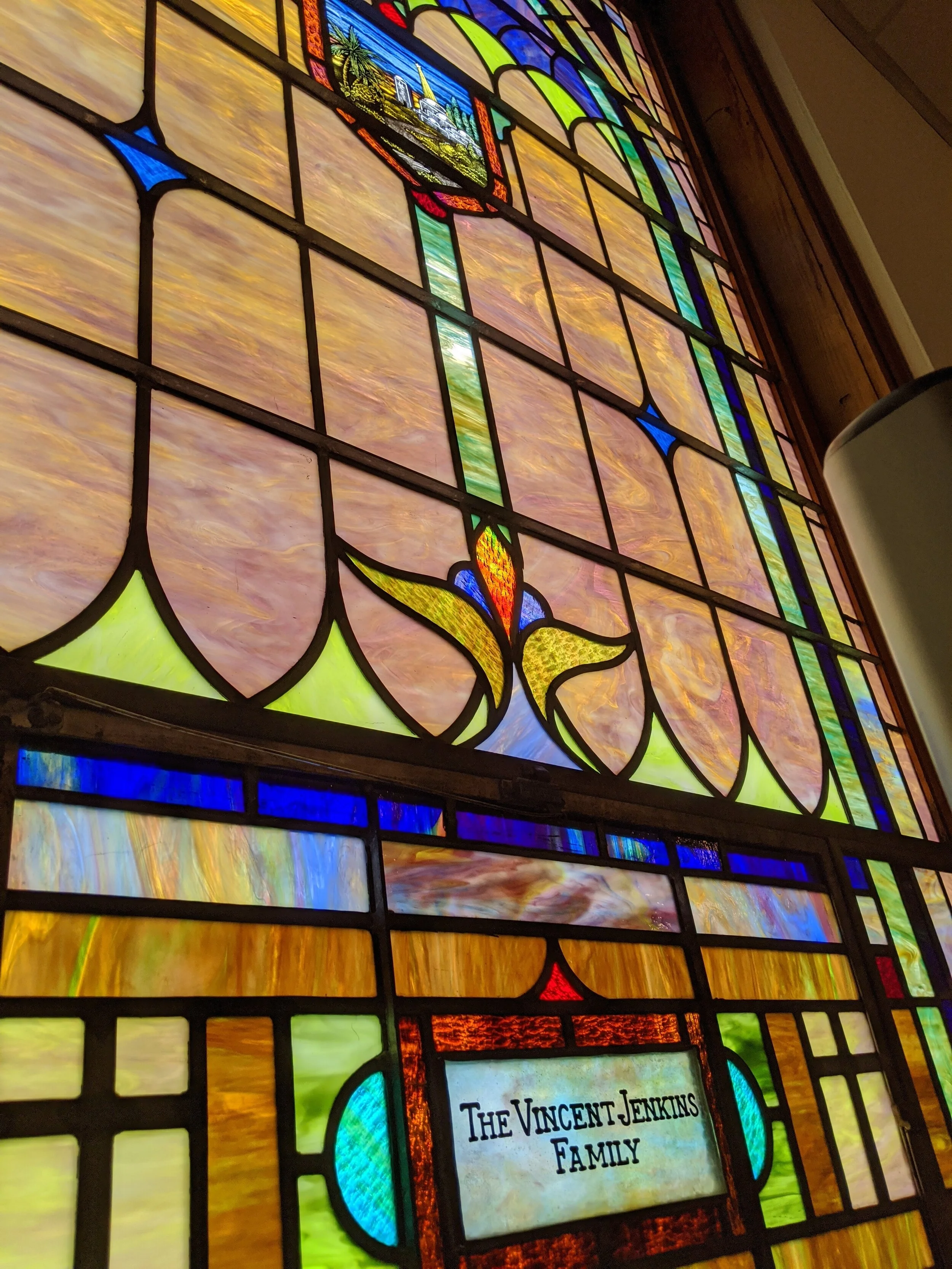
At the time of the formal opening the loan still had to be paid. In April 1953, exactly ten years from the time the building fund started, the new church was built and paid for at a total cost of $30,968. The seating capacity was about 300. The first floor included the sanctuary, four classrooms, kitchen, and bath. The second floor of the educational building, then being used as the parsonage, consisted of three bedrooms, living room, study, kitchen and bath. The floors in all the buildings were polished hardwood. The entire building was heated by gas and the water furnished by a deep well with an electric pump.
The dedication of the church, May 31, 1953, marked the attainment of one of the goals that had been uppermost in the thoughts of the people of Whittier for ten years.
The Shoal Creek Methodist Church was official closed by Sherman Bierd, pastor, at a special charge conference that was held in June of 1970 at the Whittier Church. Memberships were moved to the Whittier Church.
As time has moved on so have improvements in the facilities and the programs. The United Methodist Women continue as an organization that provides fund raising activities e.g., annual garage sales and bazaars. This plus memorials and other donations, including time and labor, support the many improvements that have been and continue to be made in the facilities and programs. Descriptions of these follow.
In 1962 another parsonage was purchased, which freed up needed space for church activities. Since that time the congregation has provided time and money to keep improvements current. Siding, carpet, insulated windows, a carport, a new chimney, and new furnishings have been added.
Church pews were donated by members in memory of families and friends and money for a church steeple was donated by Ruth and Tolvin Coward. The ceiling in the sanctuary has been lowered to improve the acoustics; new carpet and a better heating system has been installed; and a new piano and organ have been purchased. Just recently Mrs. Lucy Shelton raised approximately $8,500 for installation of air conditioning in the church.
In 1950 when Ben Ziglar became the pastor he undertook the project of forming a youth organizational group. Ruby Caldwell was asked to be the director of this group, called MYF for Methodist Youth Fellowship. This responsibility she assumed for 15 years and was instrumental in providing great leadership for the group.
Ruby provided the following information on schedules and activities:
-The group met each Sunday evening, directed by a group leader who was appointed a week in advance. Programs were conducted in the church sanctuary which gave the youth excellent training in speech and delivery. Refreshments and recreation followed.
-The first Money night of each month alternating Sub-District Meetings were held with other churches in Swain and Jackson Counties. District Officers were elected and presided at the meetings. The host church gave the program and furnished refreshments.
-Summer activities included picnics at a lake or camp ground, and a weeks stay at Camp Hope with other groups from the Waynesville District. Pastors often went along and school cafeteria workers usually accompanied the group to cook.
-Retreats were held at the Rural Life Hinton Center in Hayesville, N. C. and Brevard College at Brevard, N. C.
-Halloween was set aside to collect money for UNICEF to feed hungry children and buy vaccine.One of her fondest memories is the night the Sub-District Meeting was held in the Lovedale Church in Jackson County. Rev. Bill Clodfelter, from the Bryson City Church, arranged for the group to visit the rest home. The residents begged for songs and sing we did! The songs brough such joy that Rev. Clodfelter commented, “It takes so little to make some people happy and we do so little.”
Ruby continues to keep in contact with individuals from the groups. Most are married with successful careers and continue to work in the church. A quote from Ruby, “I’m very proud of all of them. They did more for me than I ever did for them.”
The presentation of quality musical renditions has always been a high priority of the members of the Whittier Church. Fortunately, in early years there was always a good pianist and many members who contributed time and money. Maude Green and Verna Parton were pianist in the old church.
The organ from the old church was placed in the Moody Room of the new church. Later it was given to the Redmon Family; perhaps George Redmond had originally given It tot the church. He had served many years as a trustee and was always a faithful and hard working member.
Verna Parton continued as pianist for some time after the move. She was followed by Mrs. Gerald Taylor who served for 18 years.
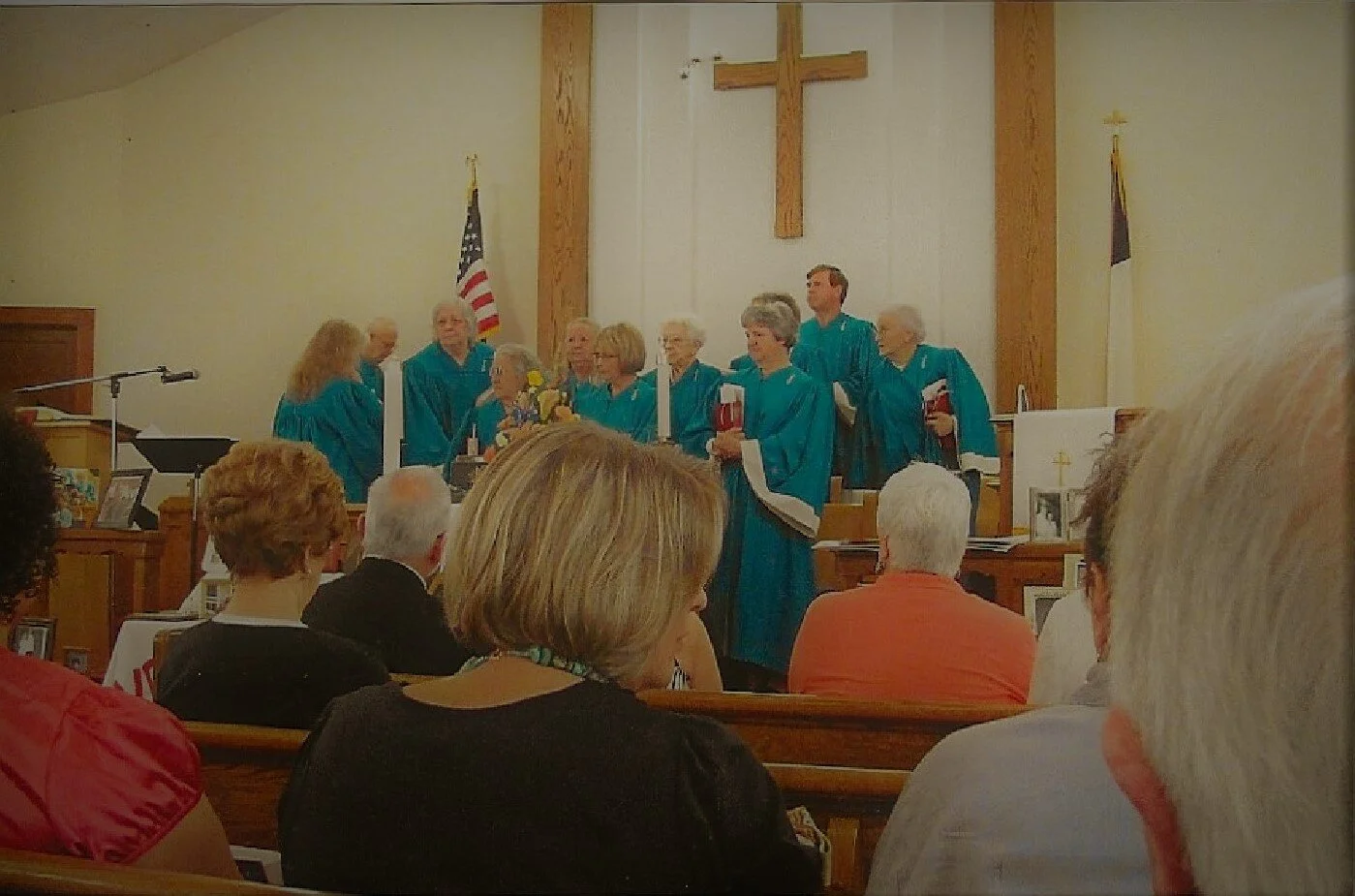
During this time Wanda McDonald started a choir with Mary Gibbs serving as director. Choir Directors officially became a part of the church staff in 1961 when Ward Lyons assumed the position. Other Choir Directors include Chuck Brown, Mildred Whidden, Anna Wachacha, and Kay Sharpe.
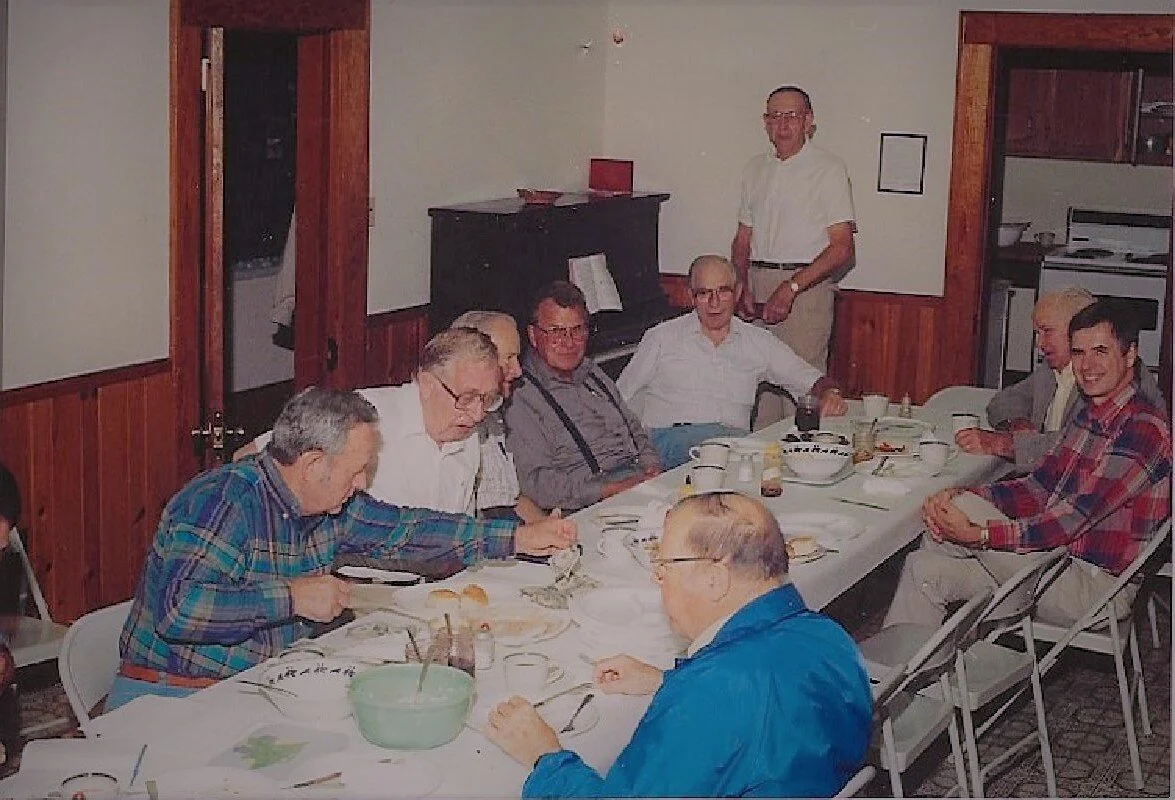
Chuck Brown conducted the first cantata which was so successful that this special program has continued. Presentations are usually scheduled for Christmas and Easter and are attended by many throughout Western North Carolina. Mrs. Whidden is recognized for organizing a Youth Choir while she was director. Robes are usually purchased by the choir members. Breaking from tradition in 1986, a Poor Man’s Supper was held by the church to generate funds.
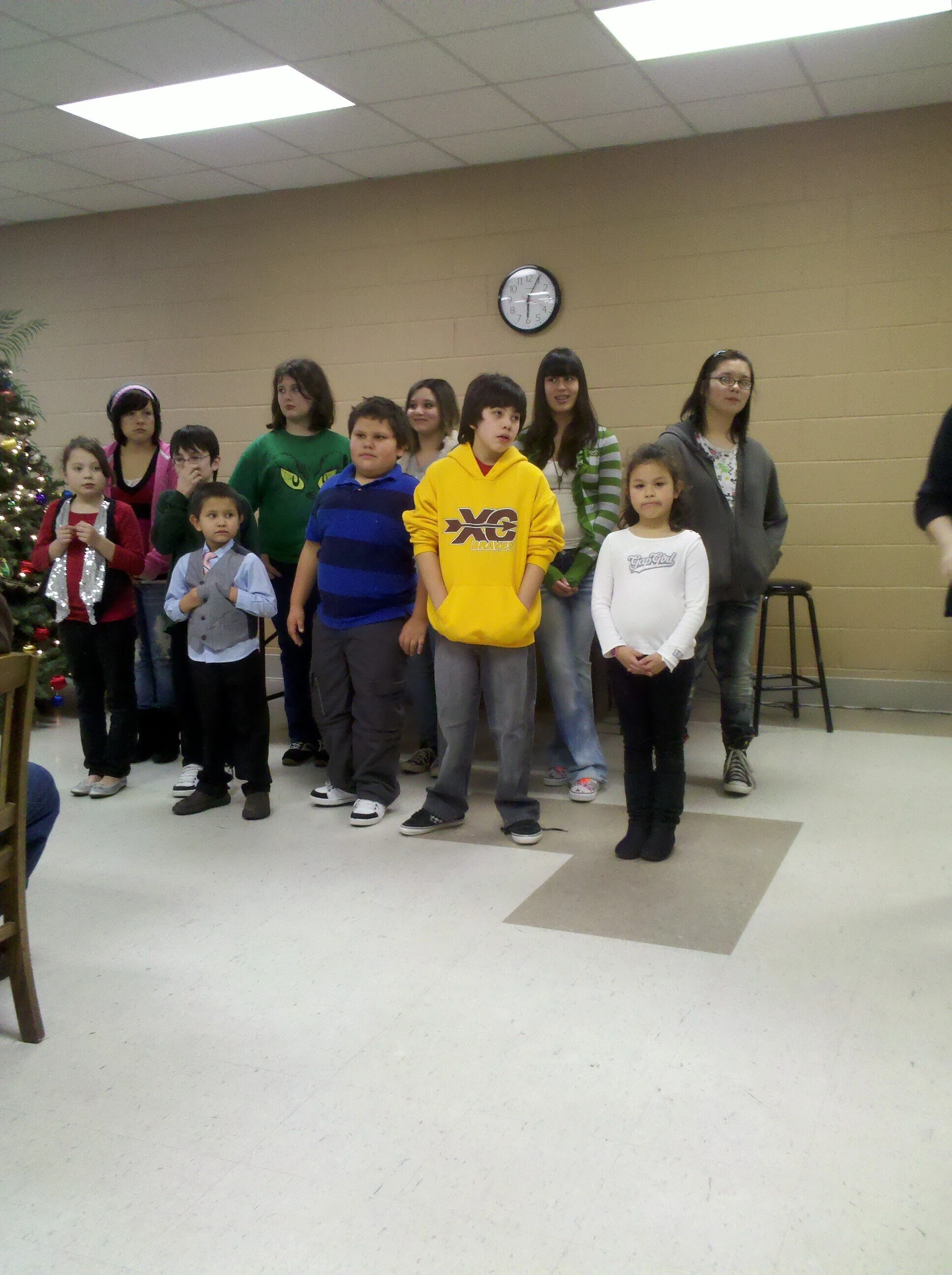
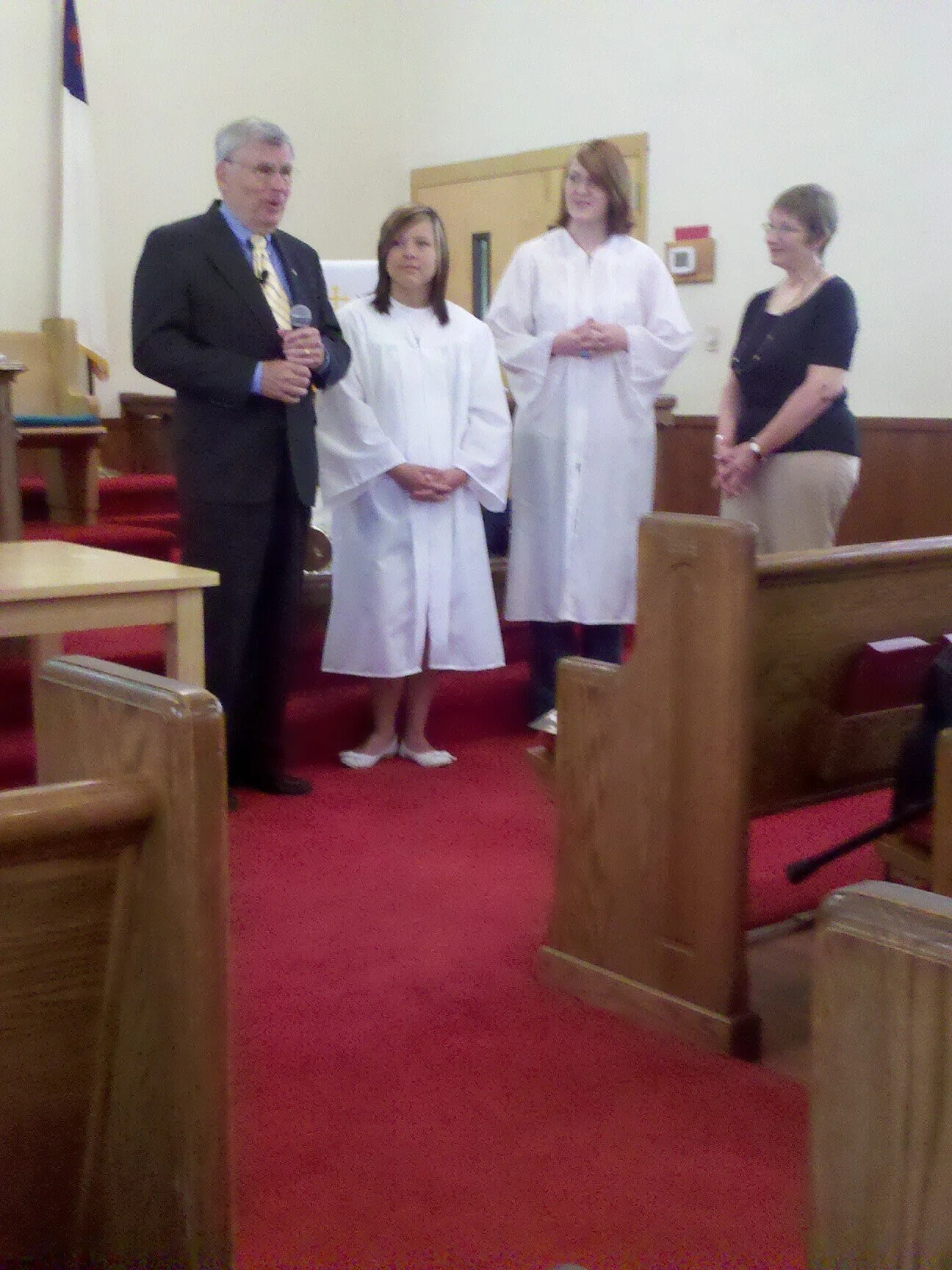
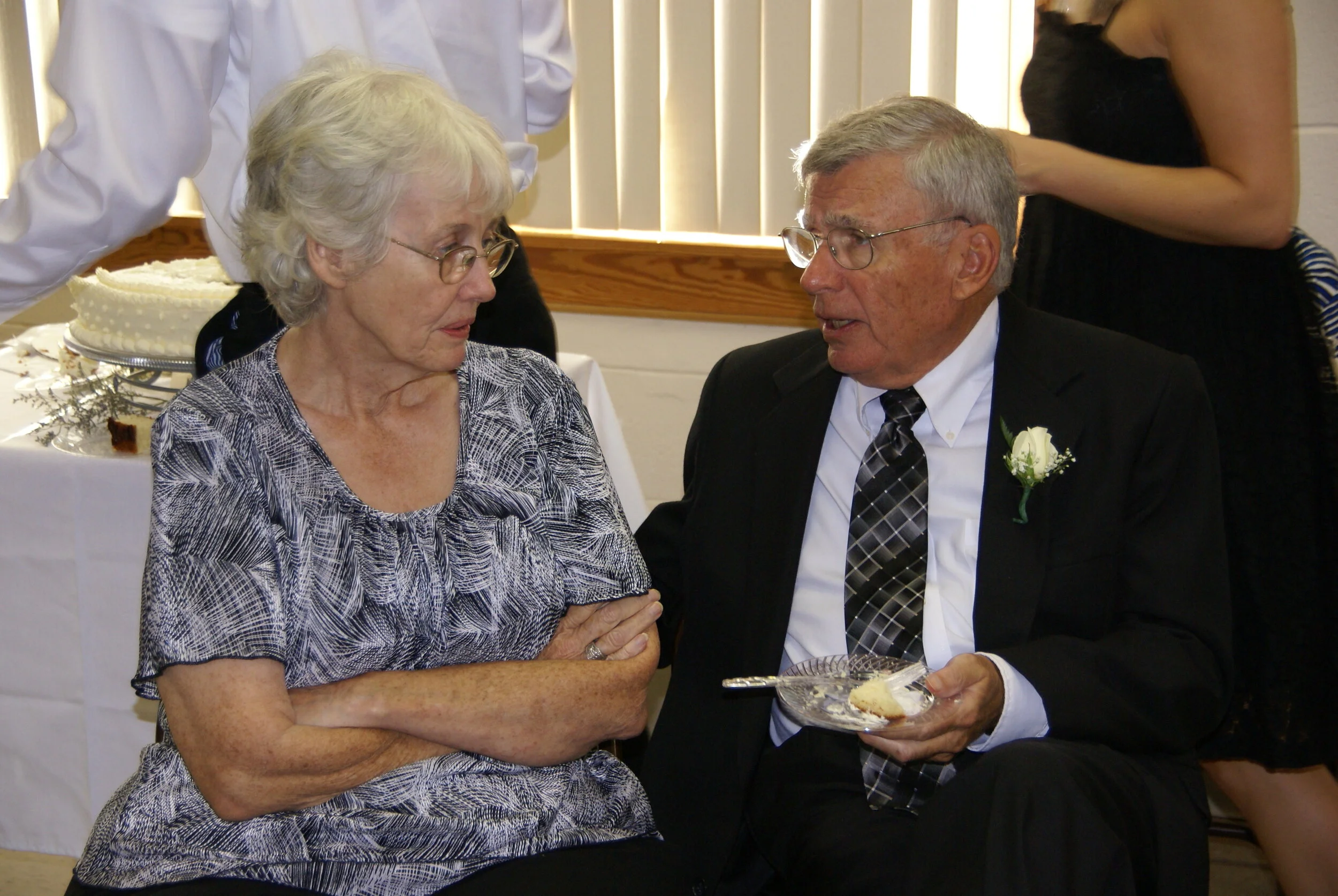
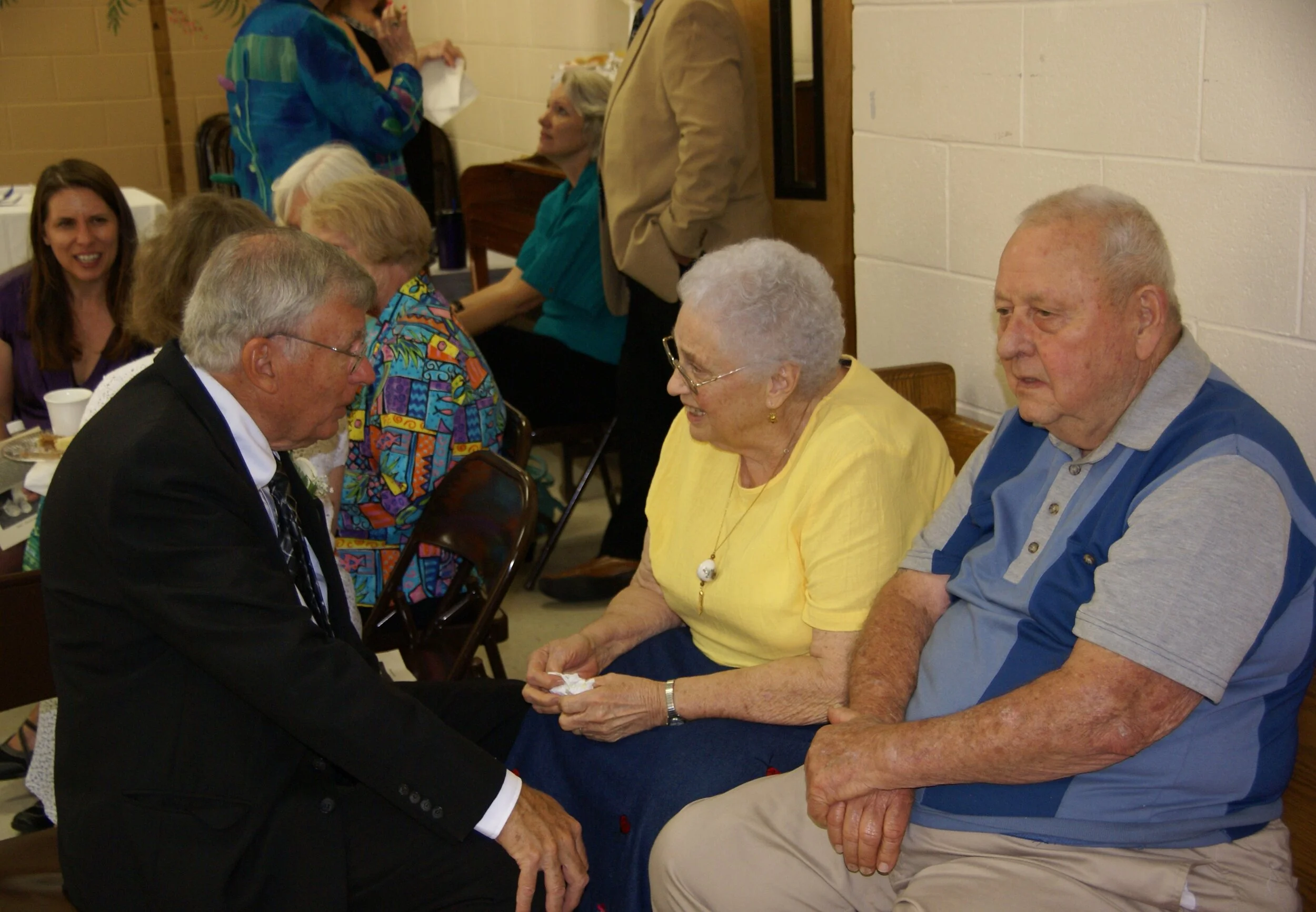
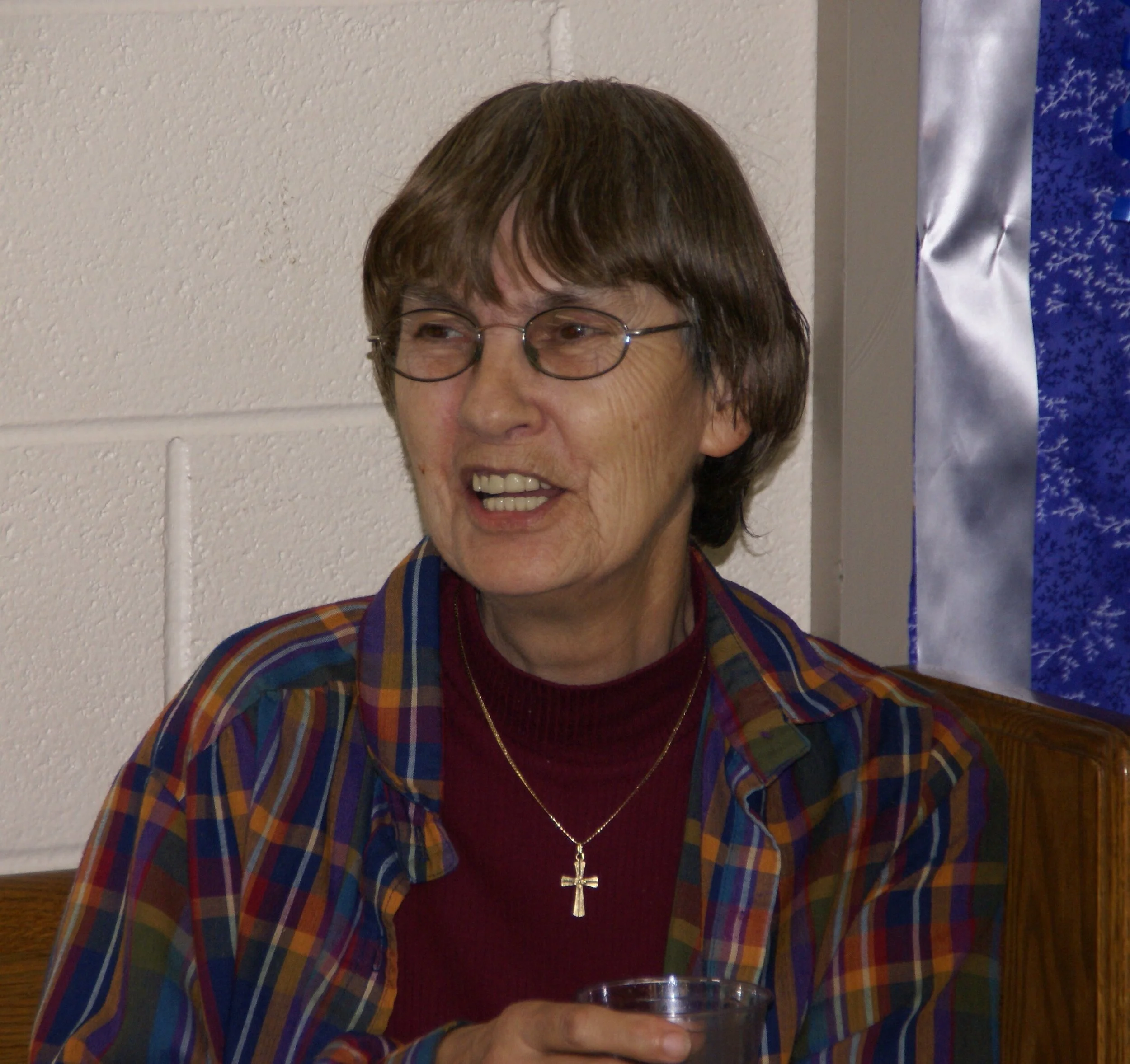
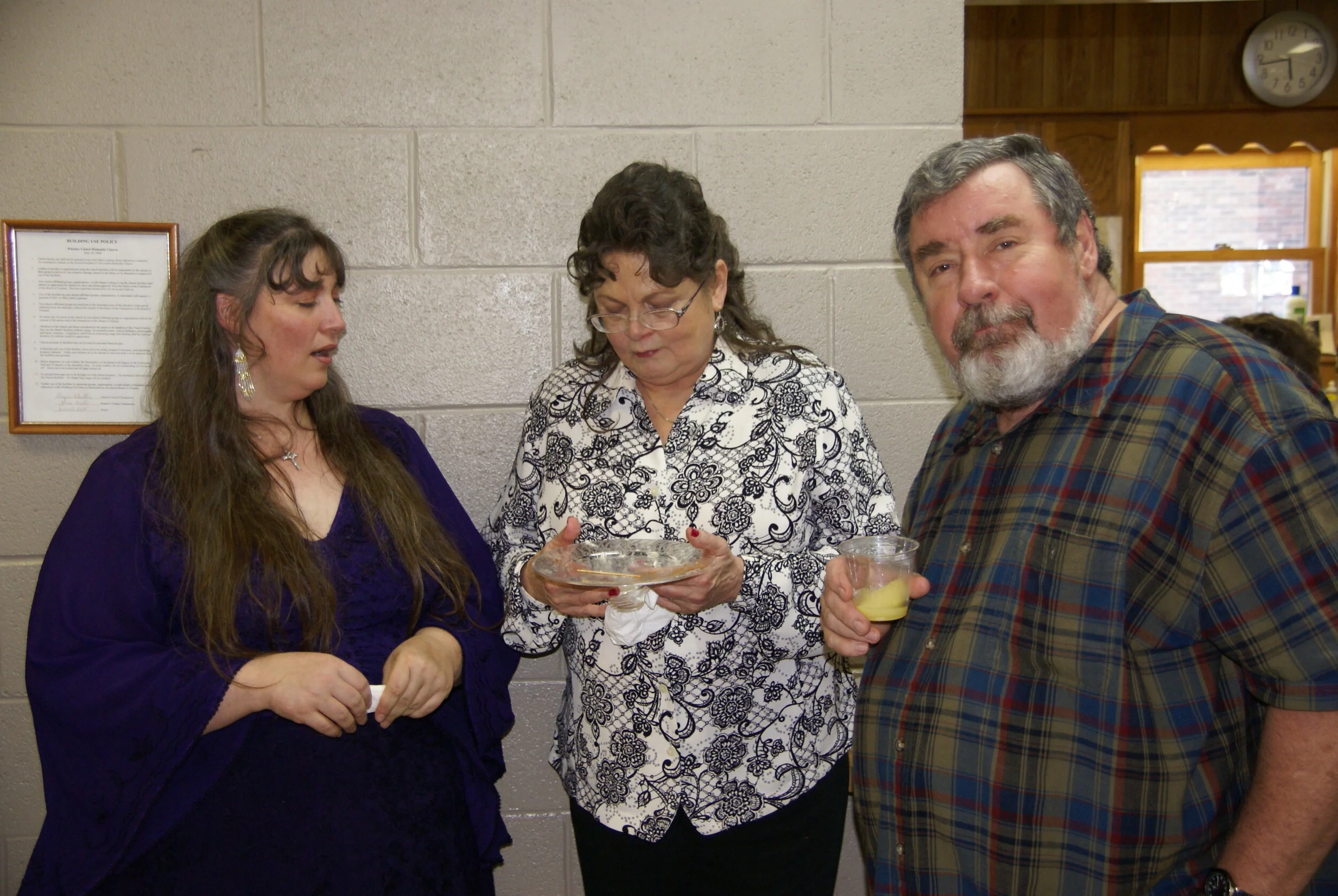
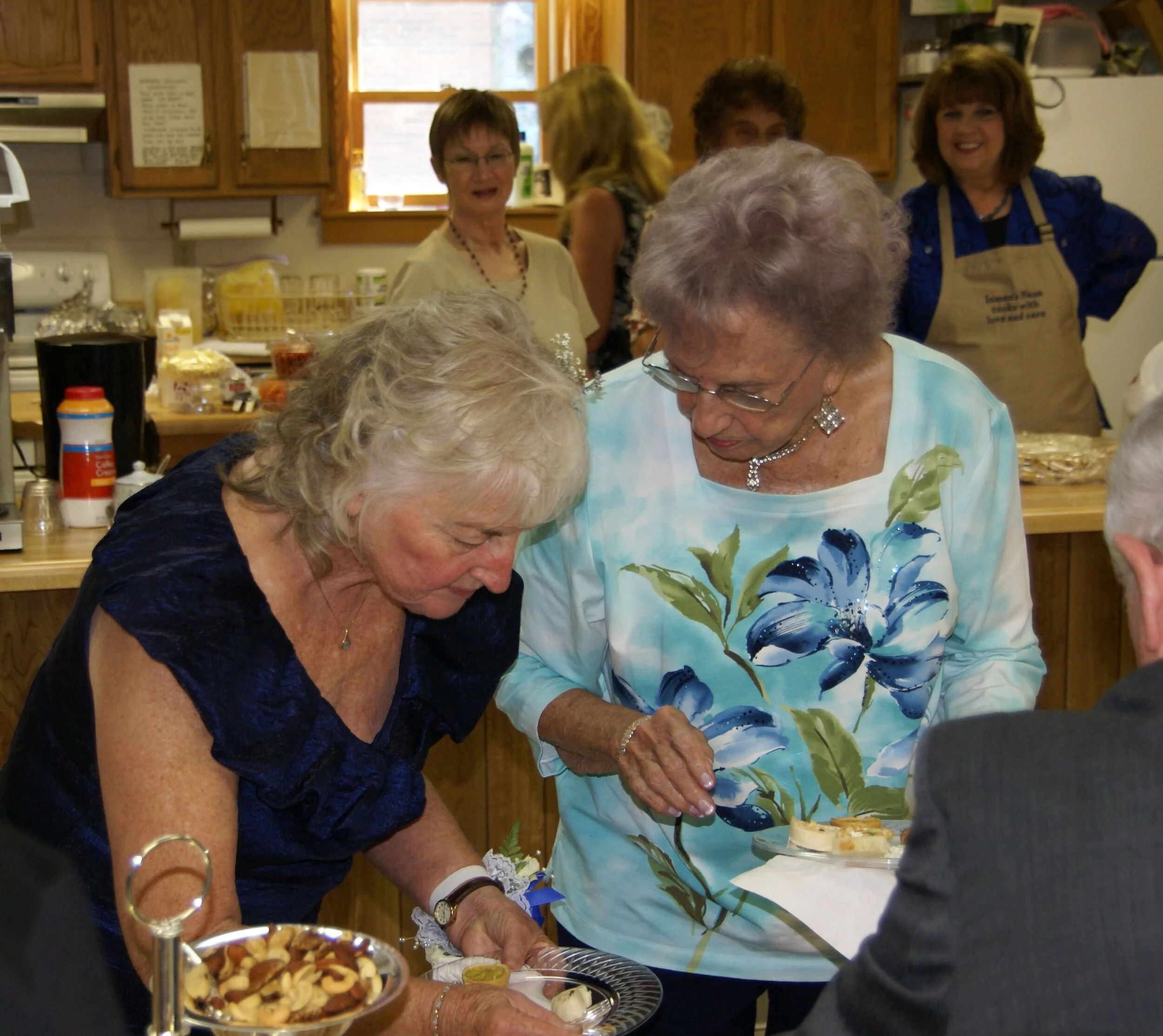
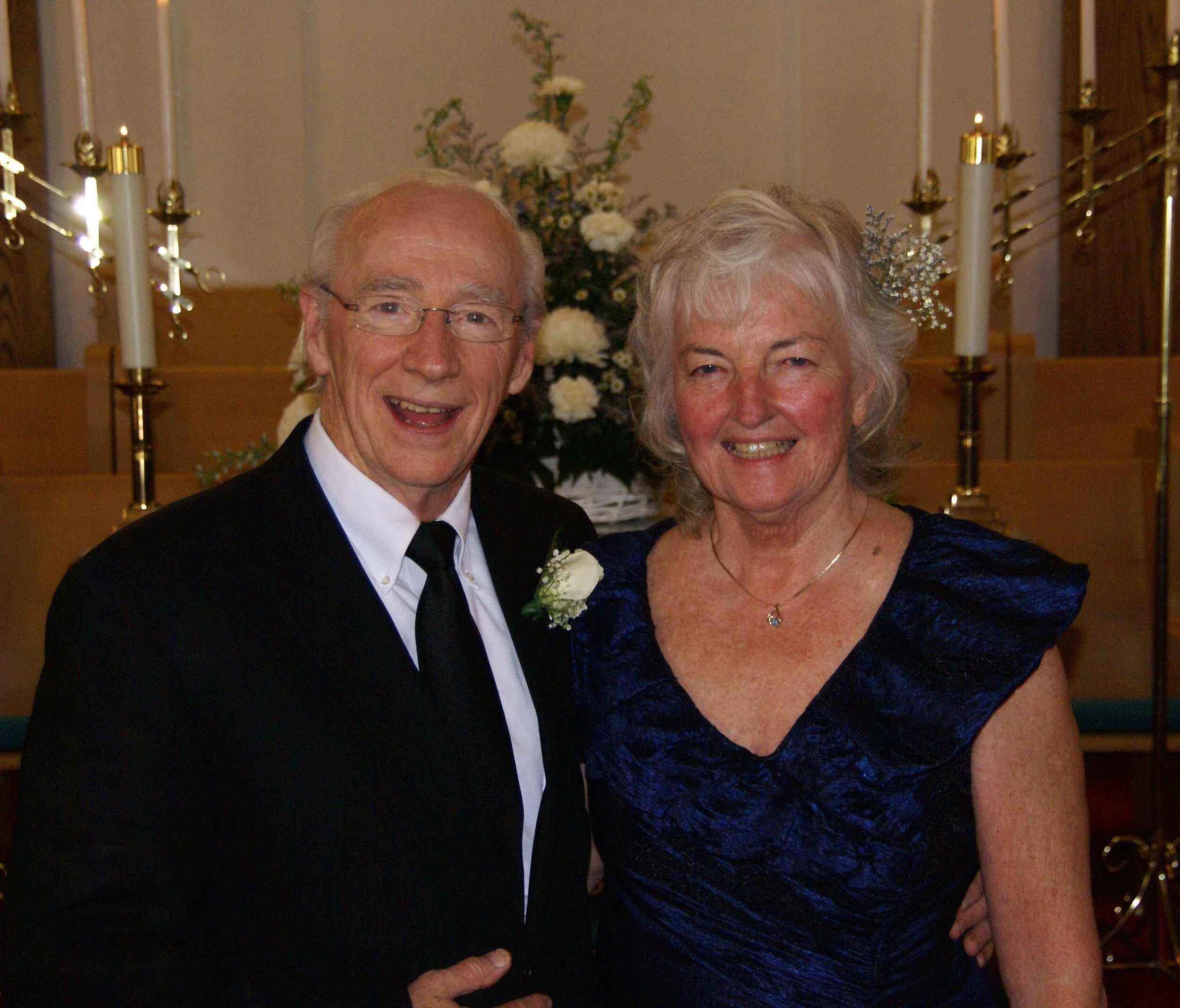
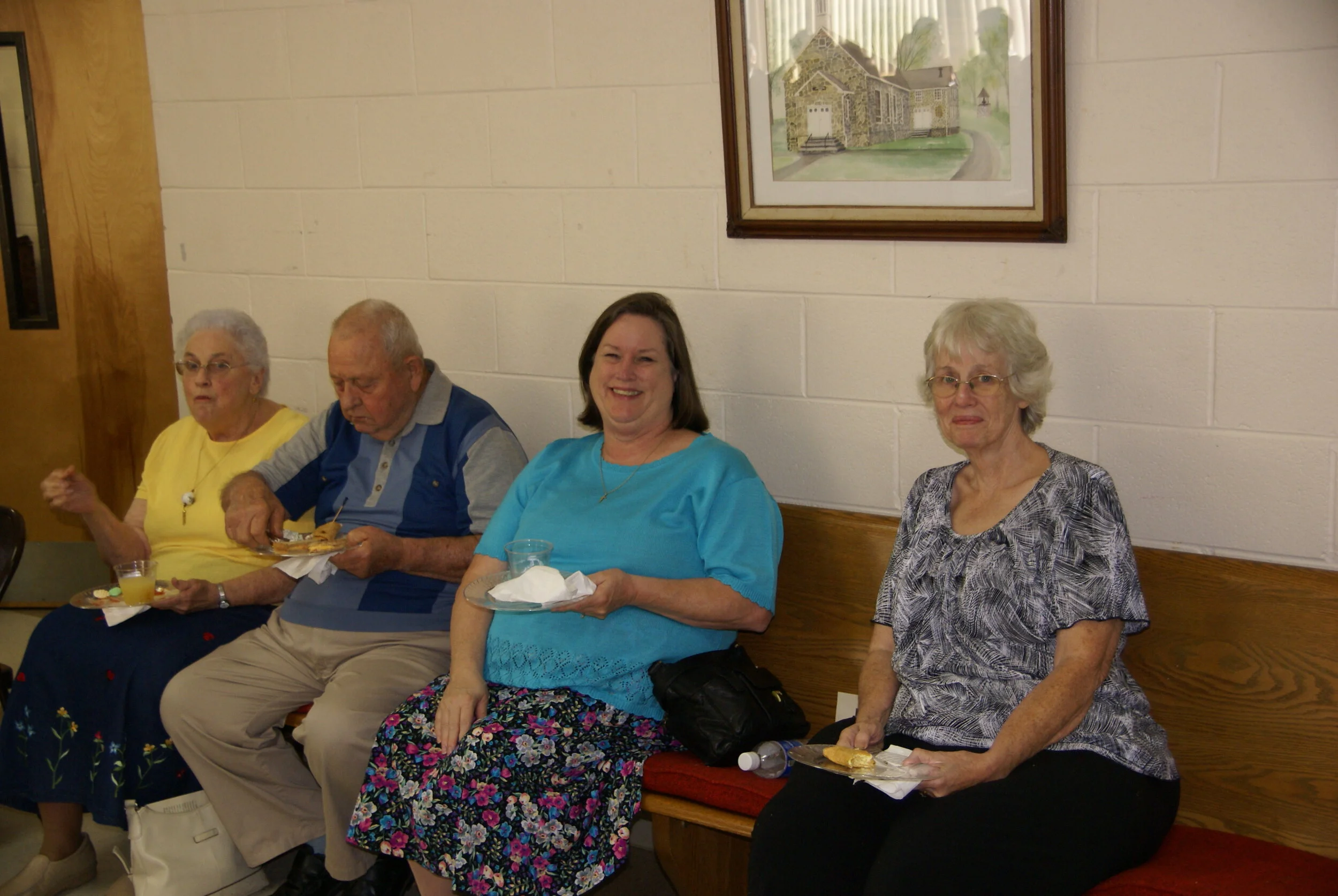
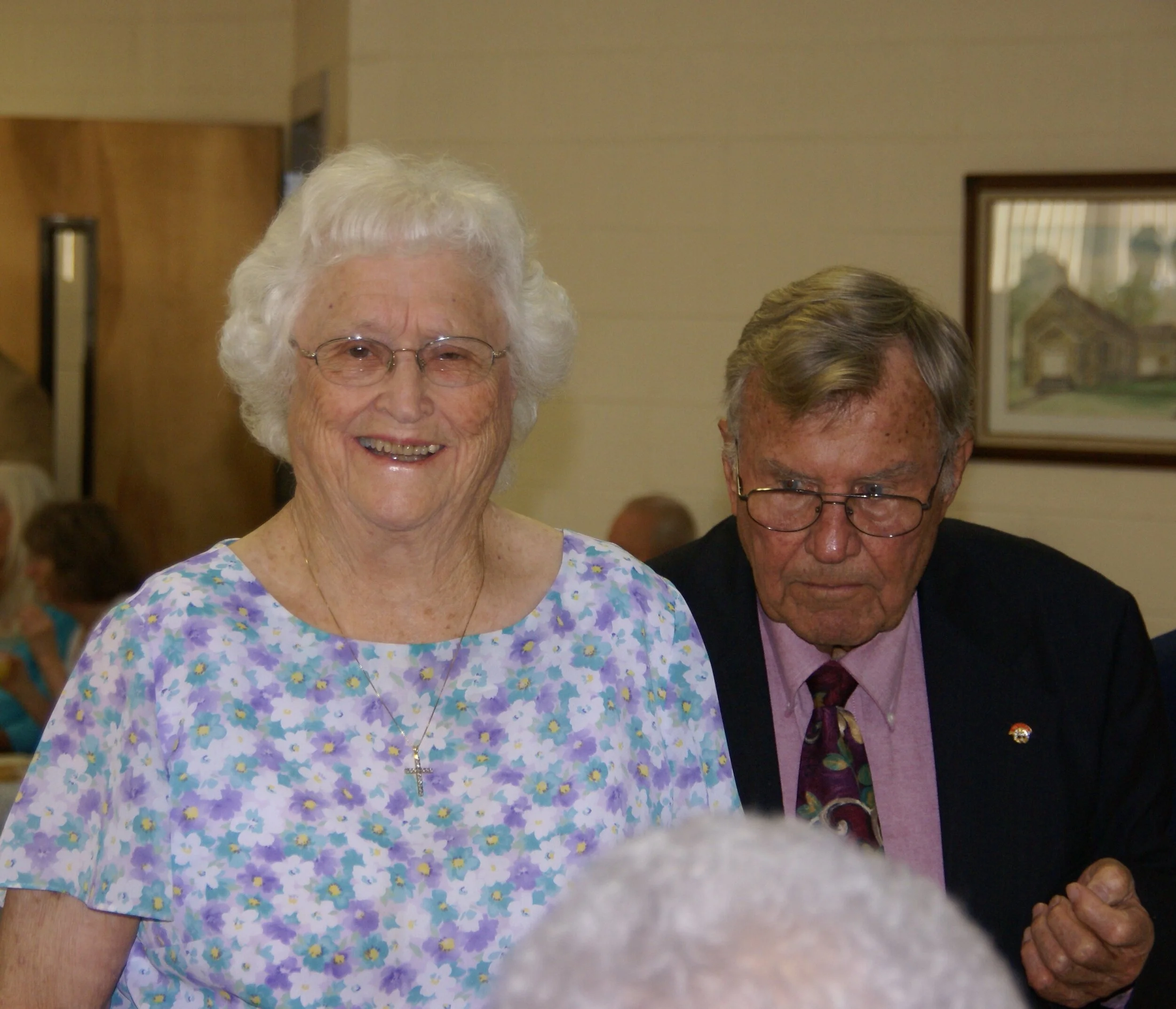
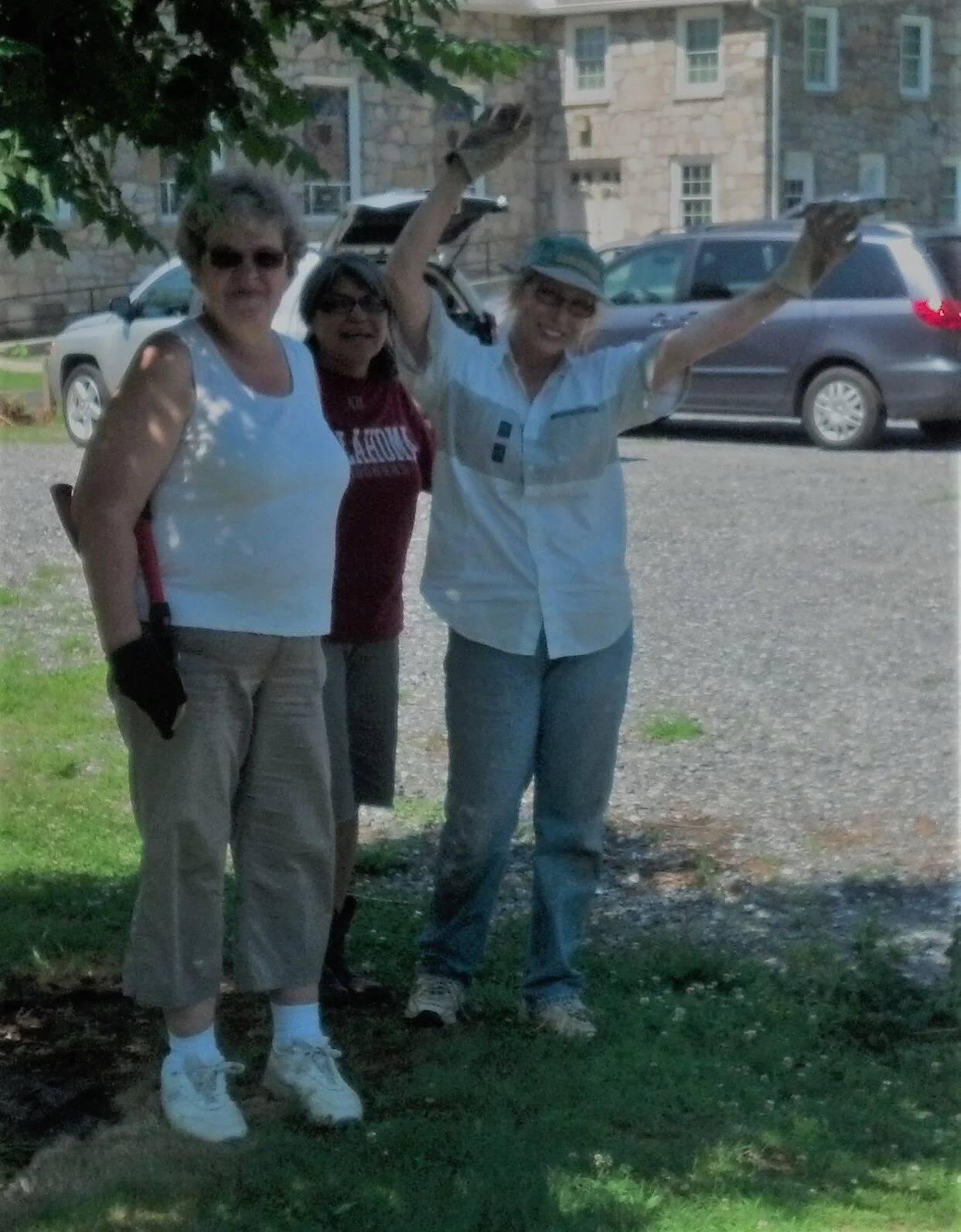
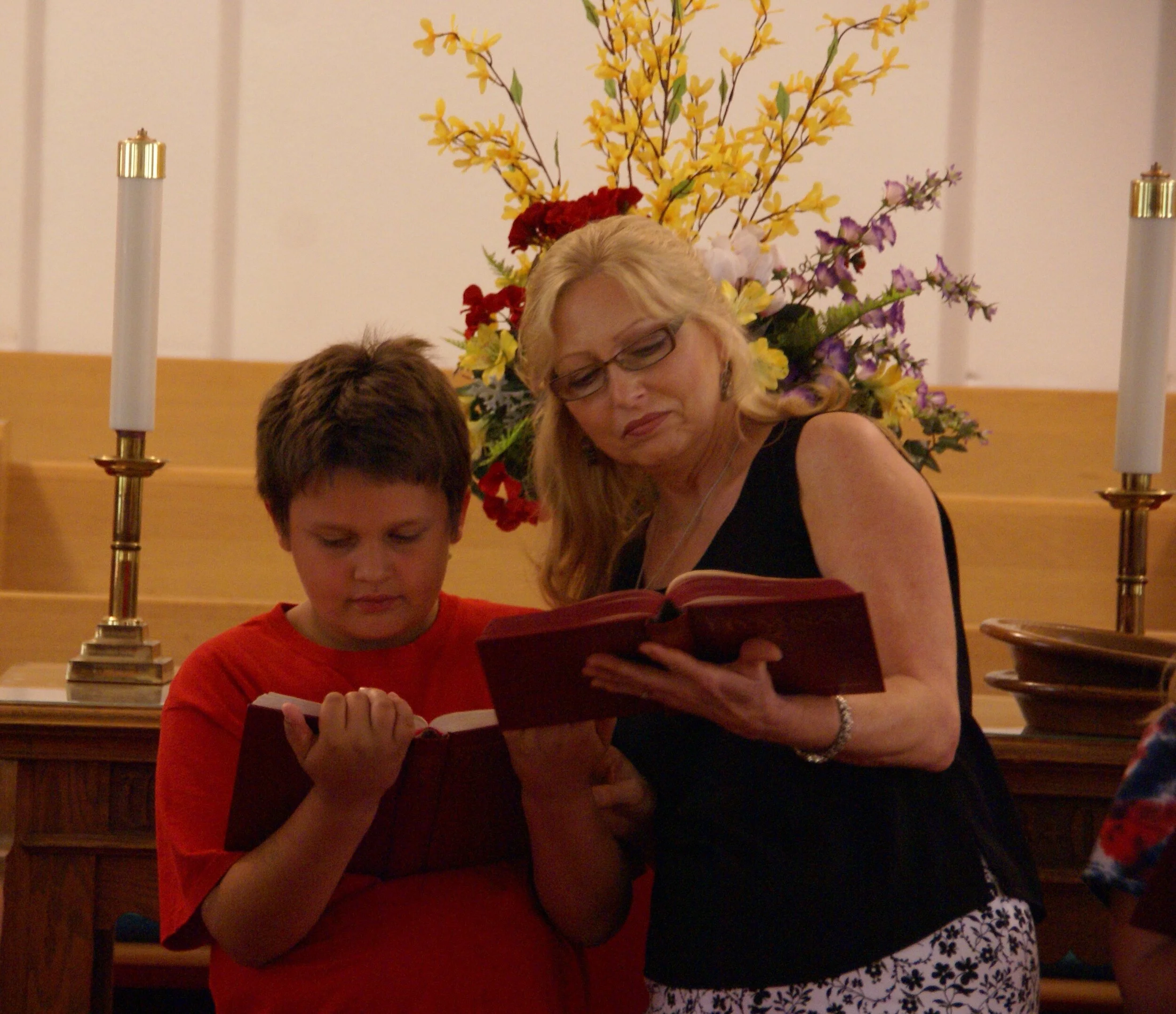
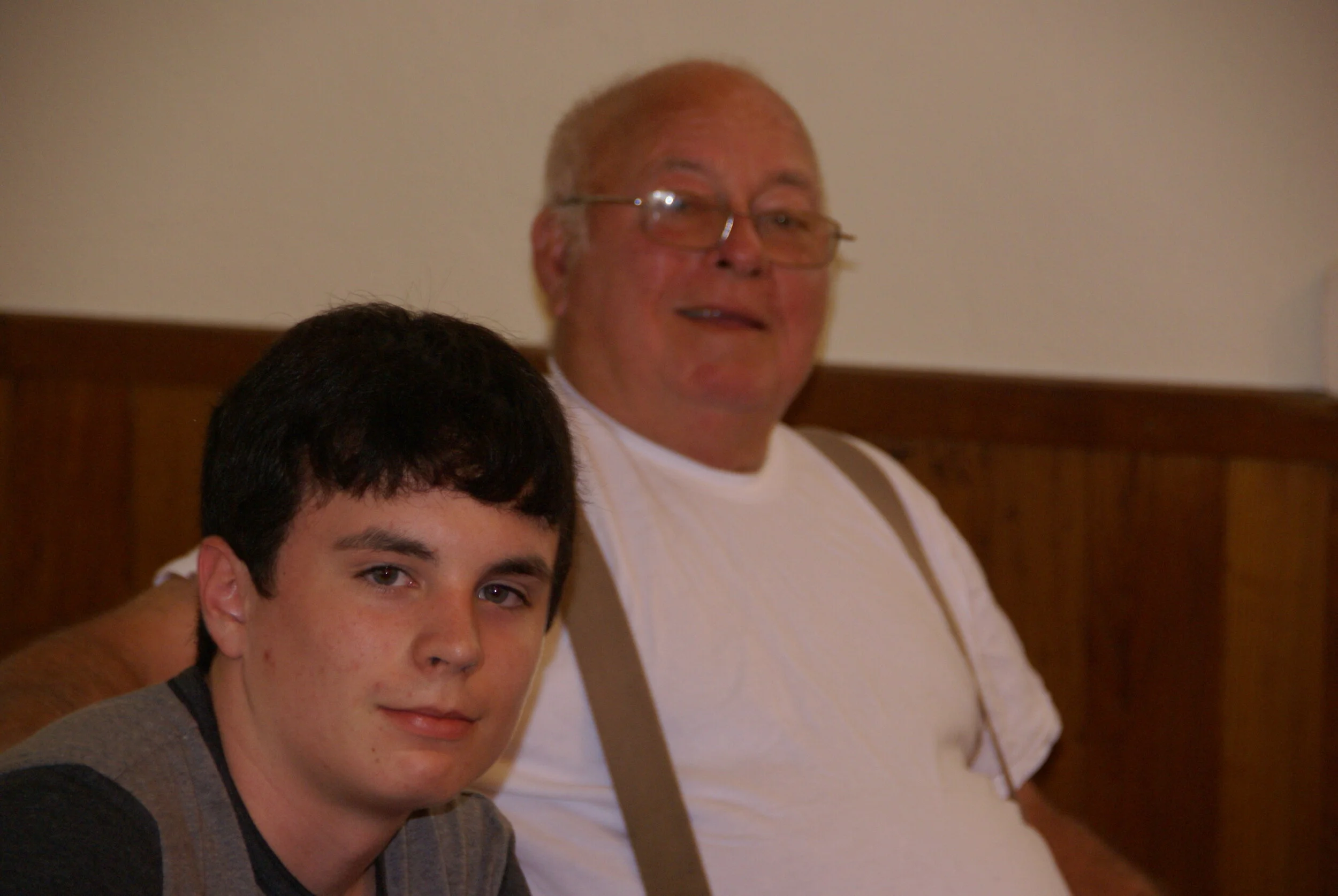
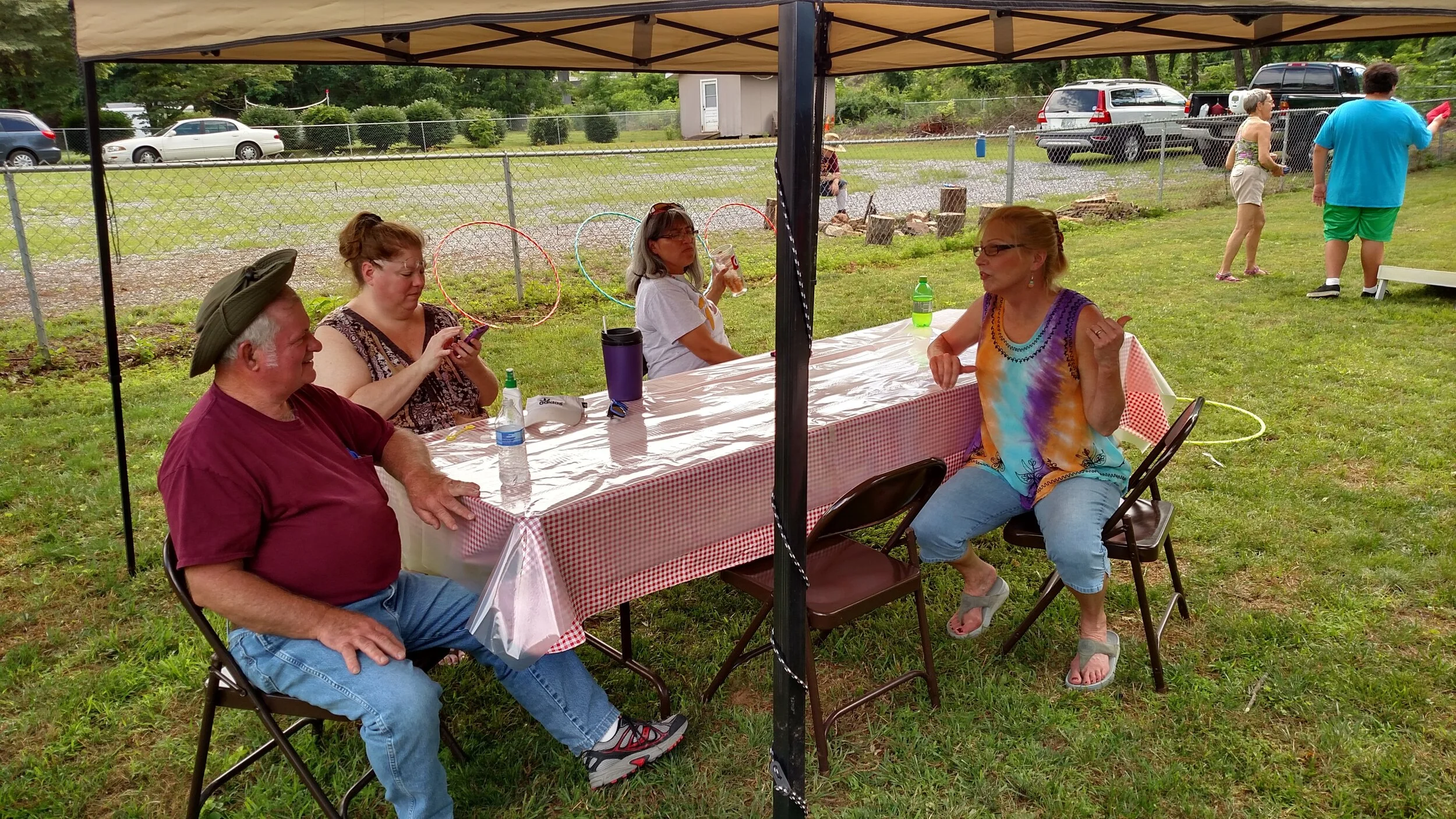
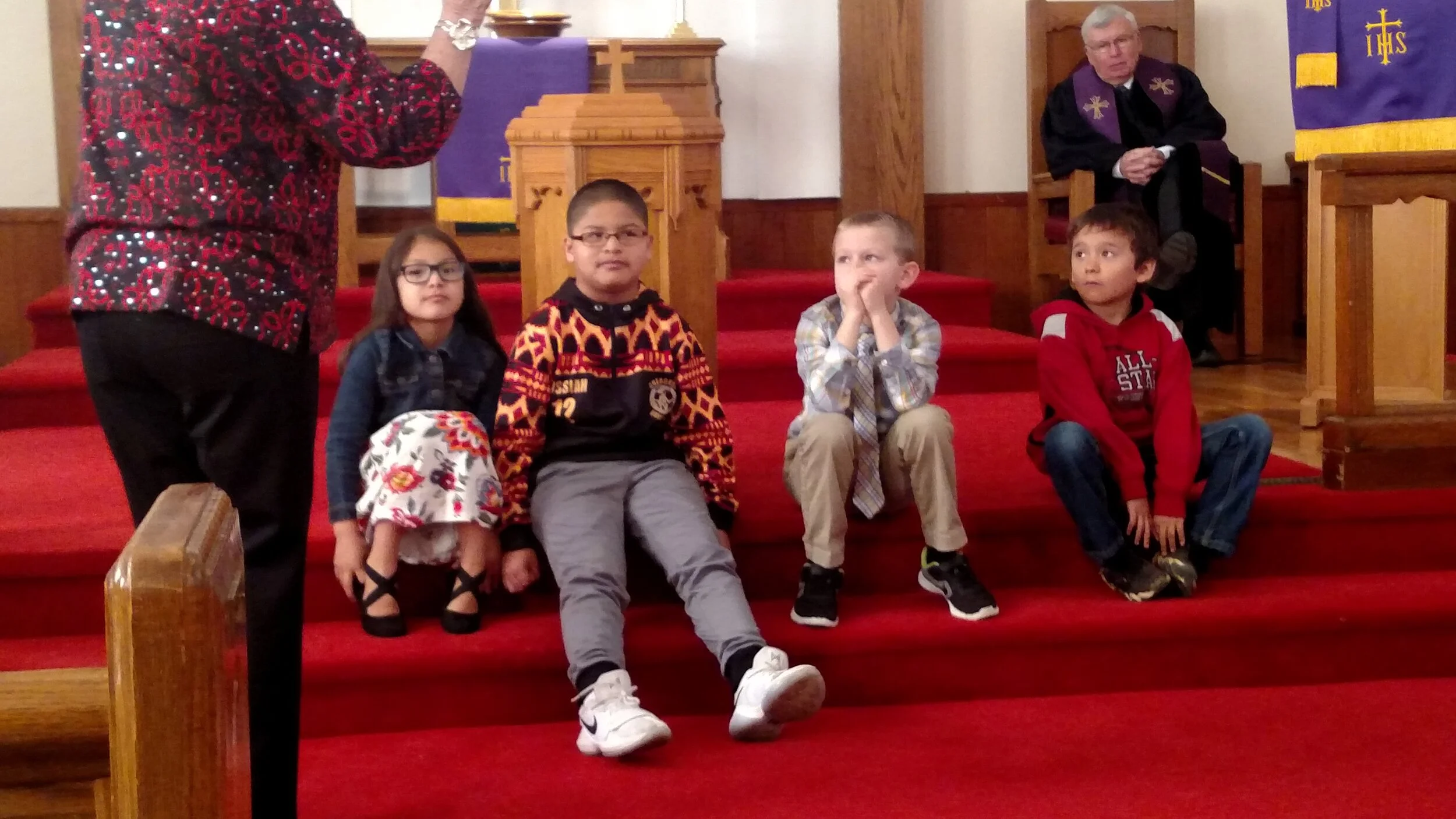
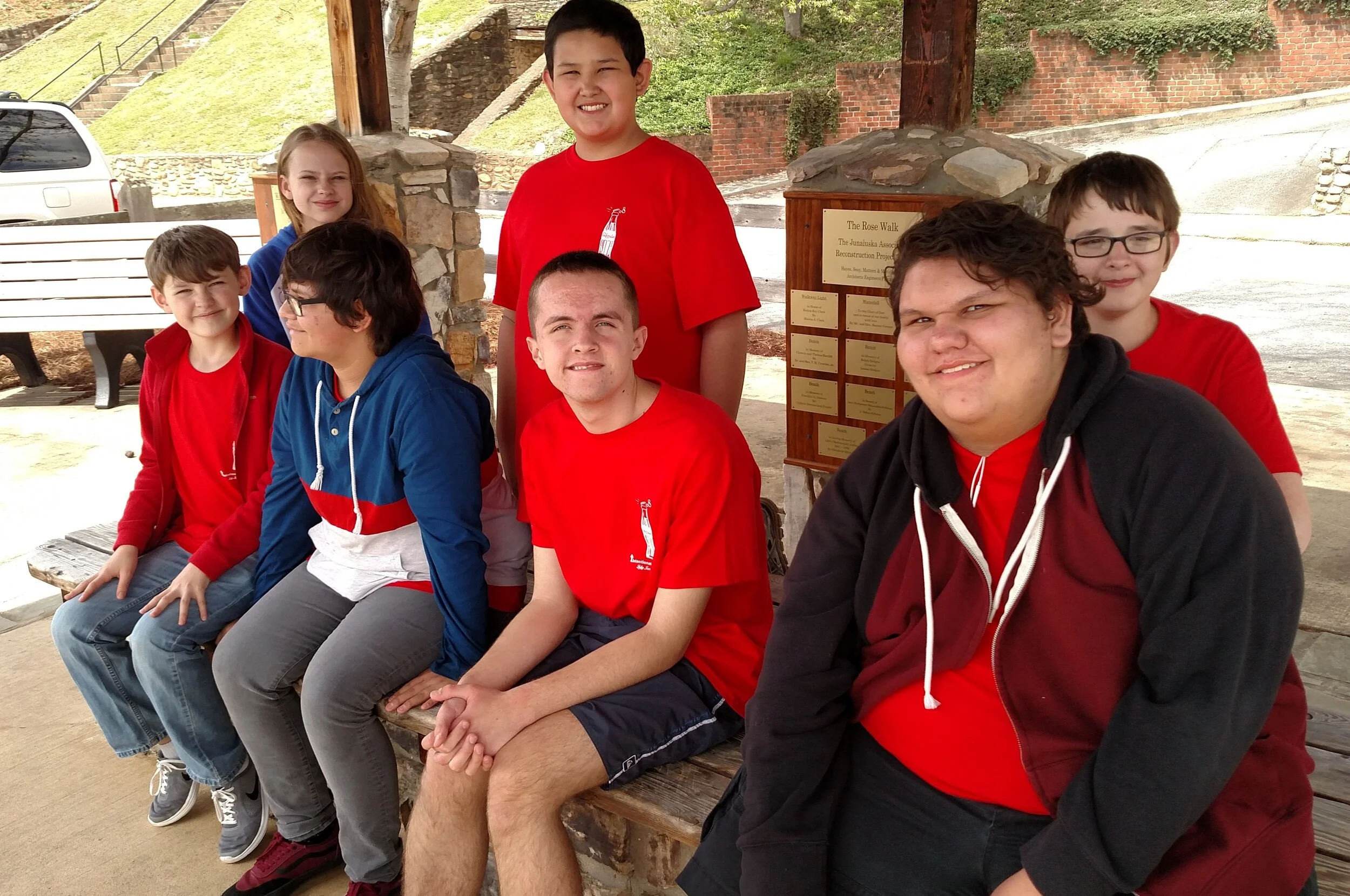
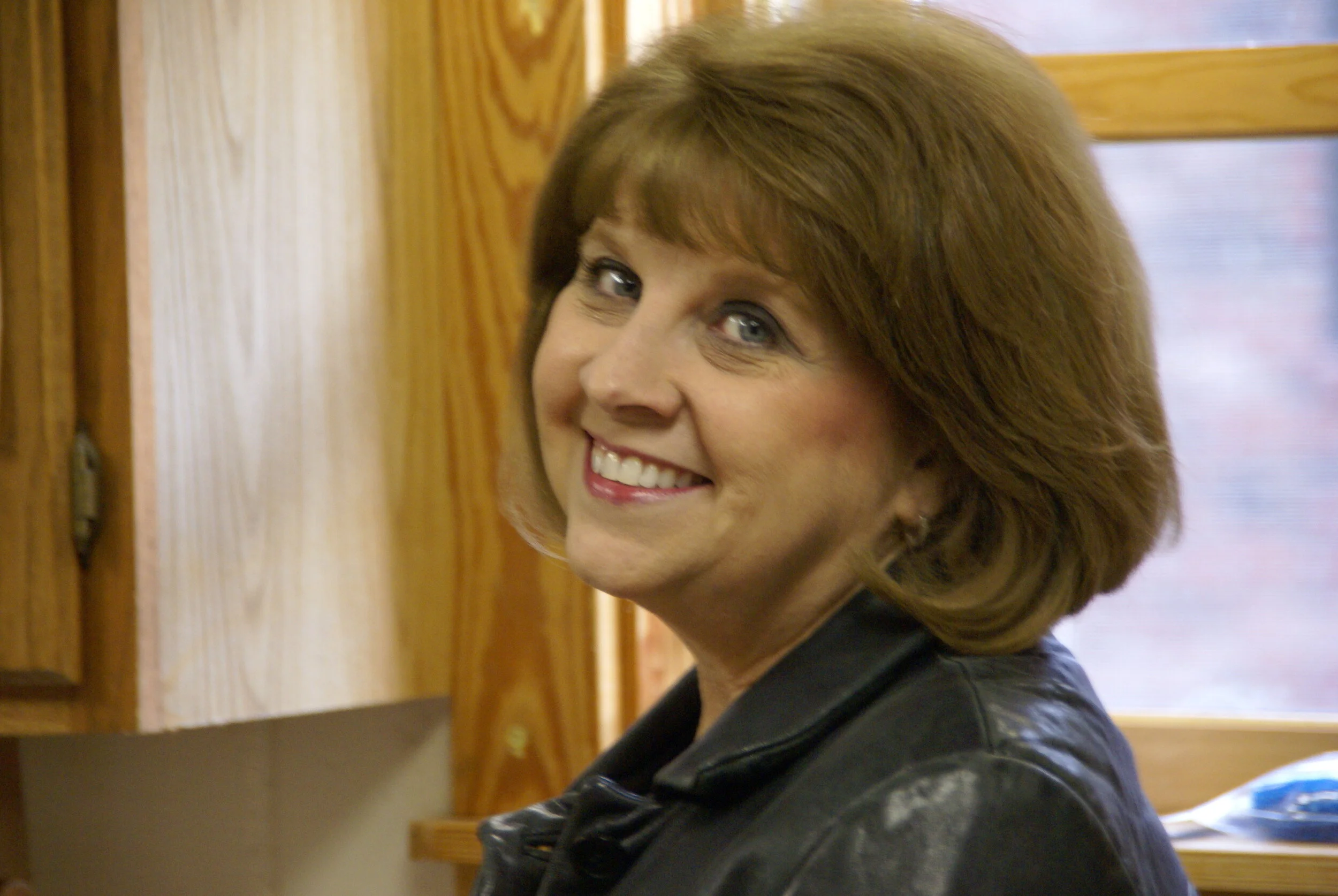
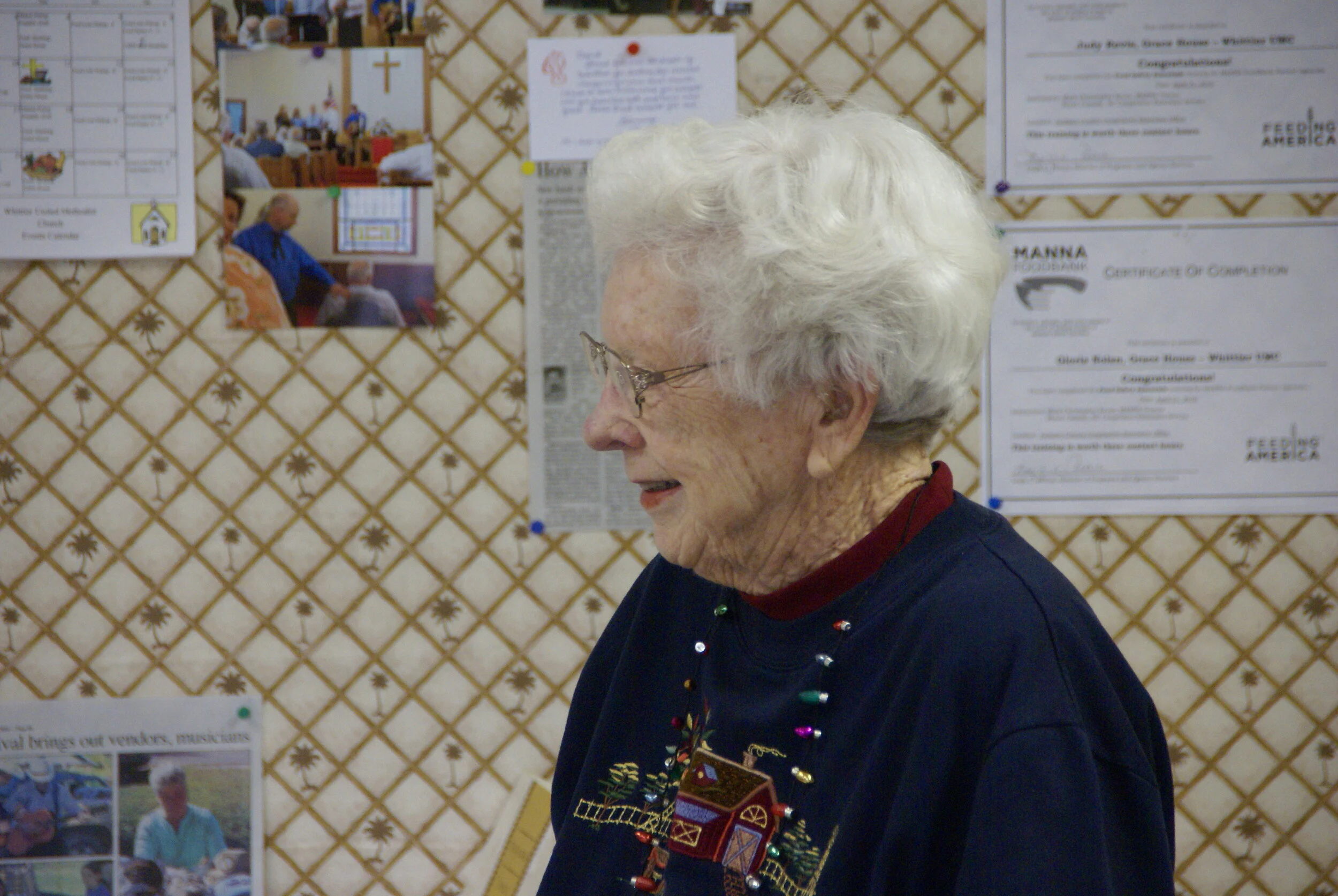
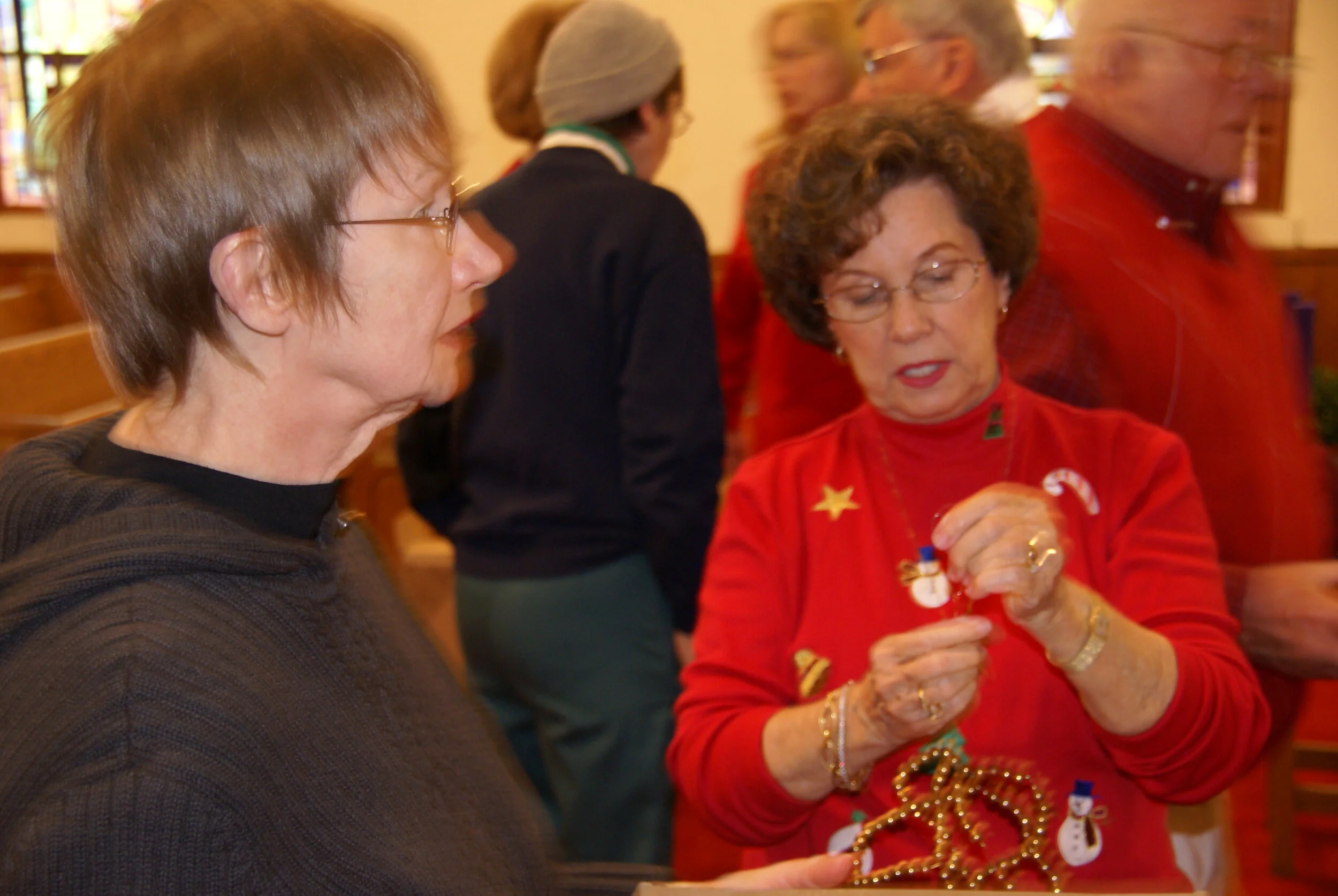
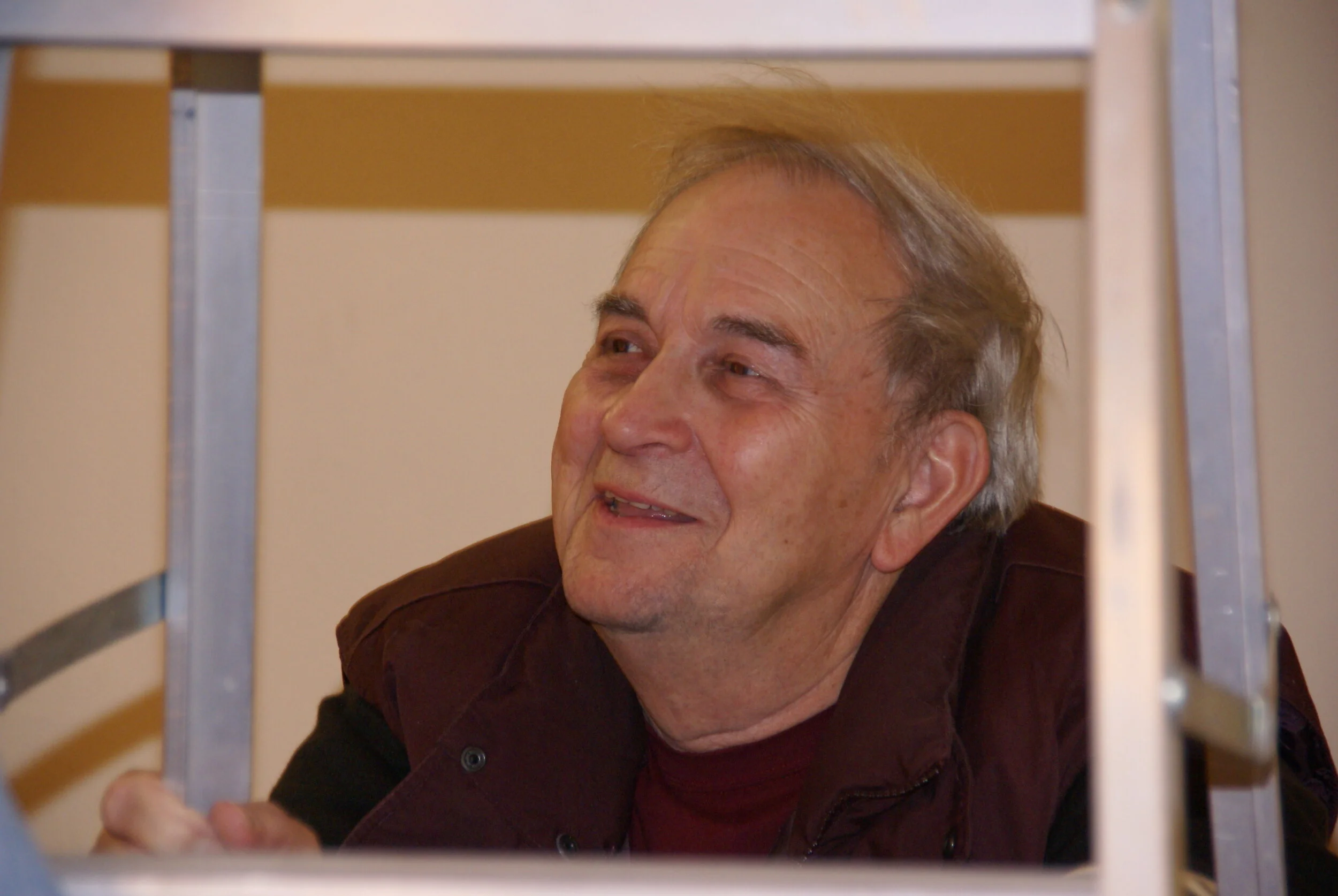
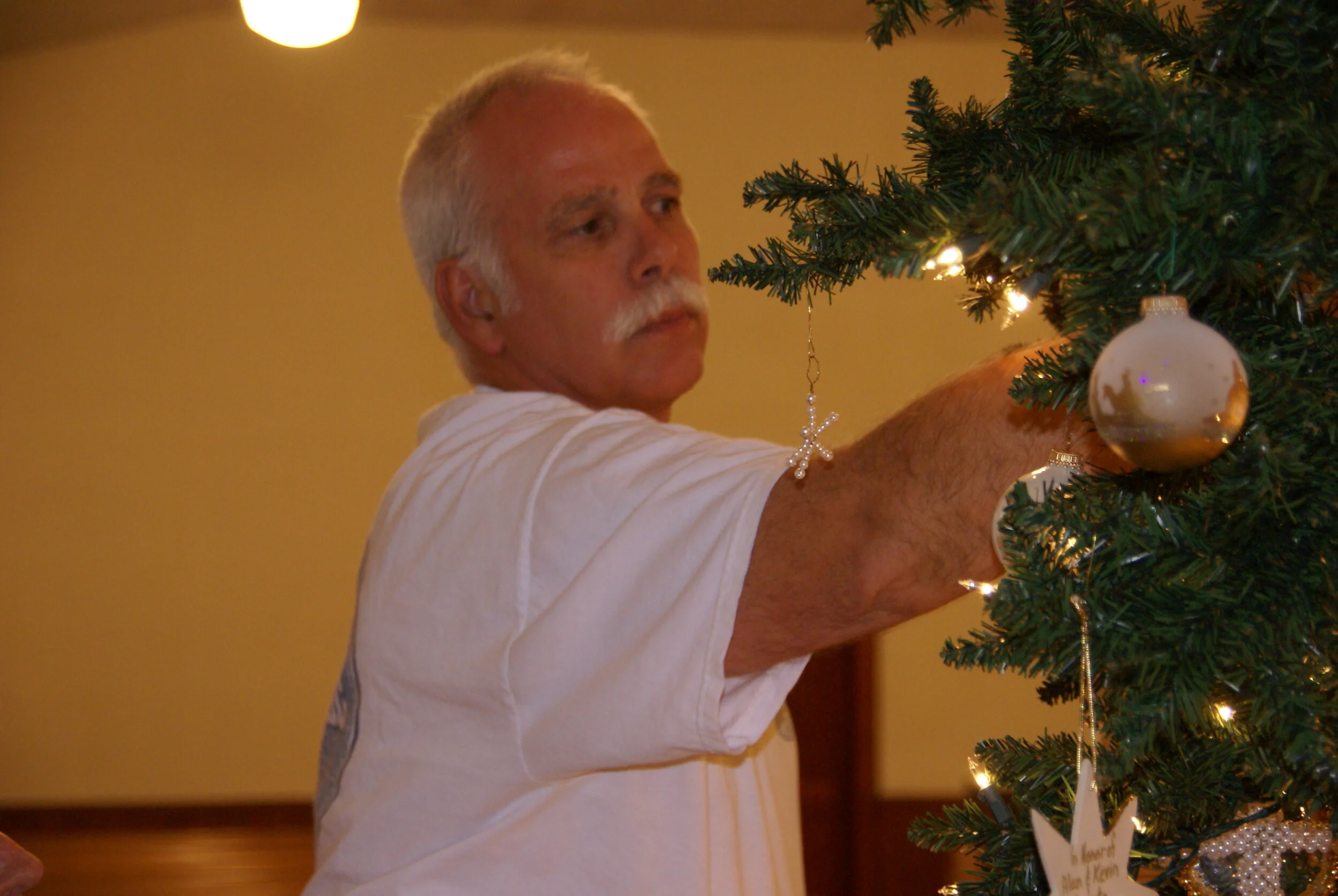
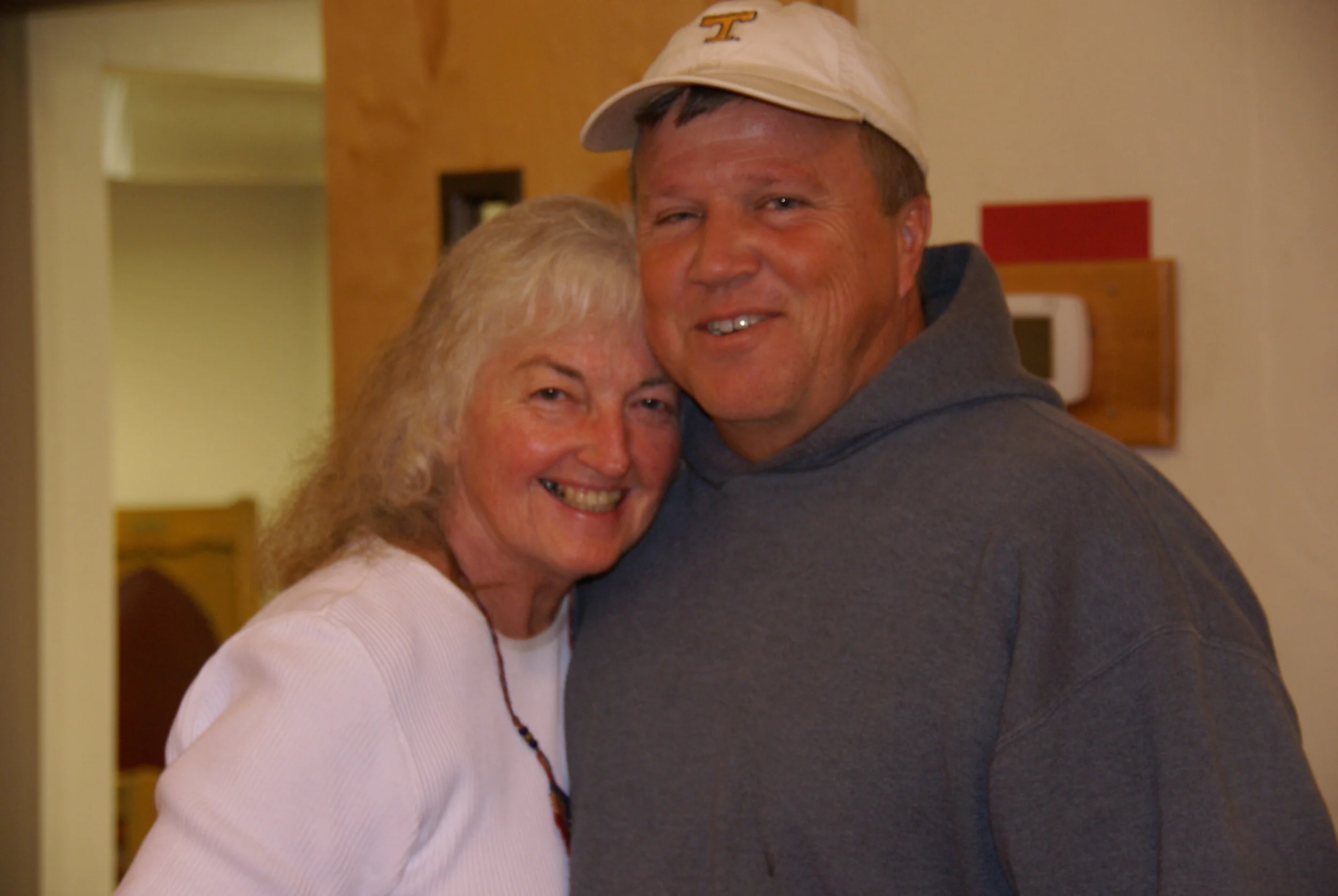
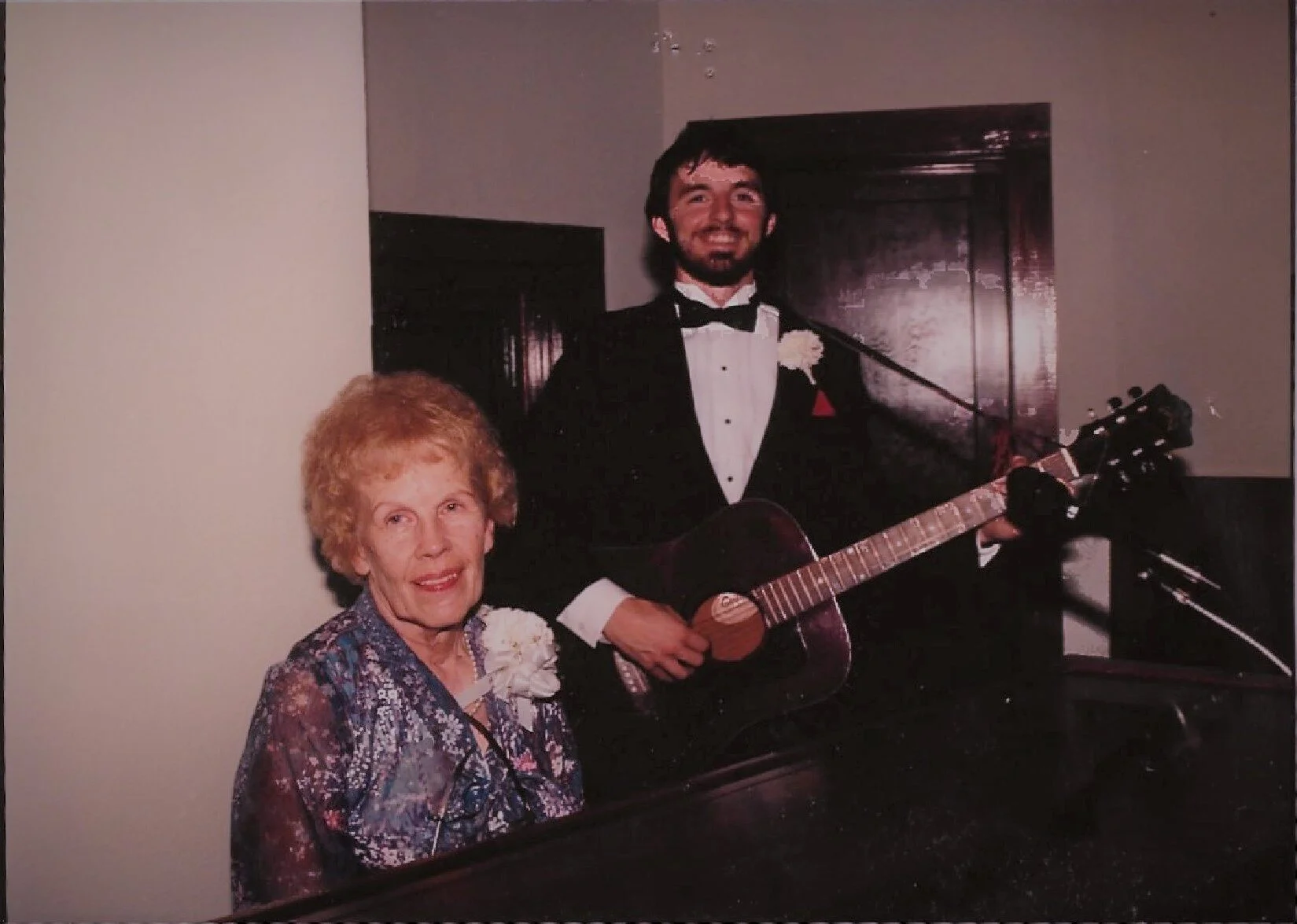
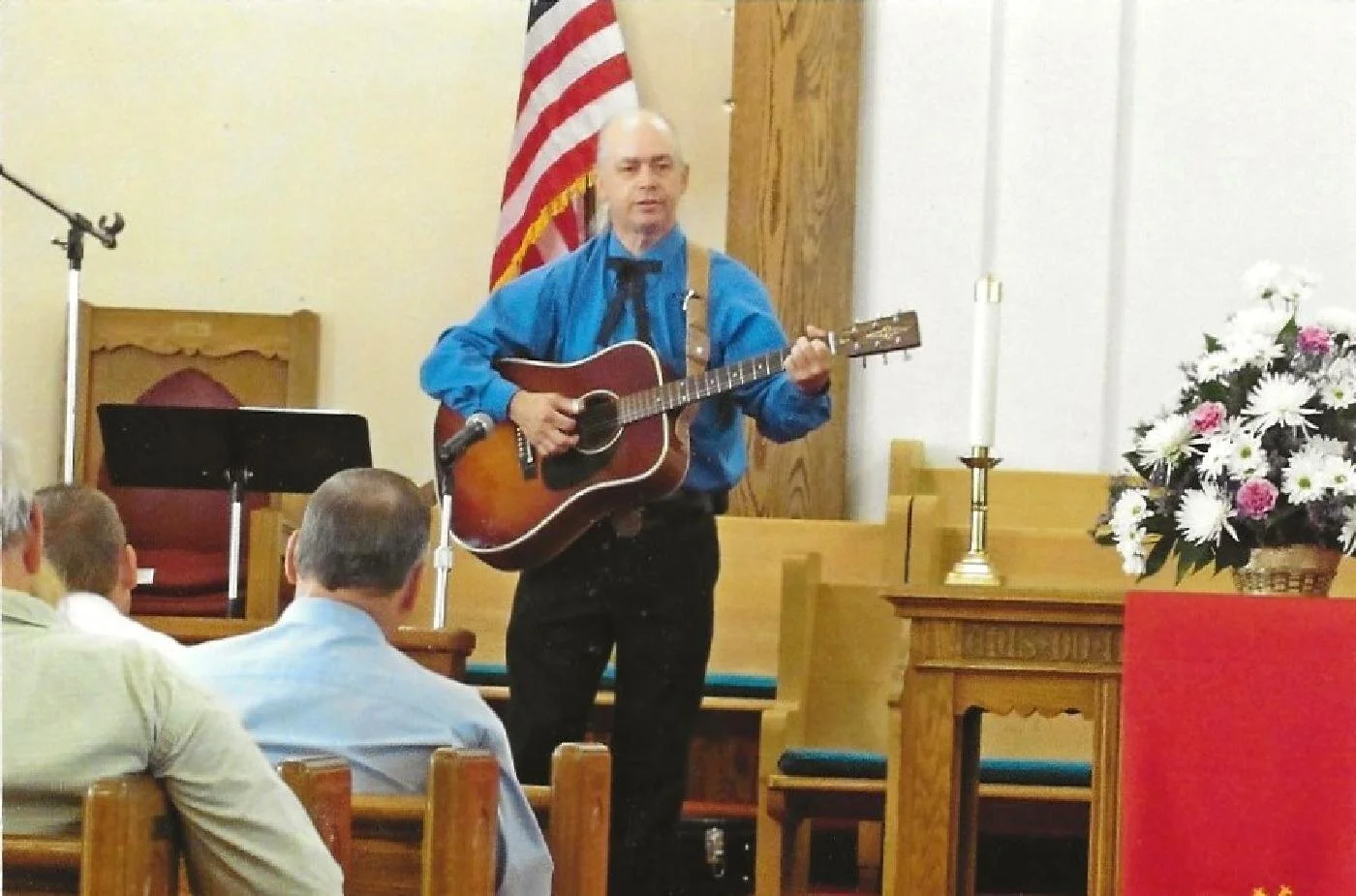
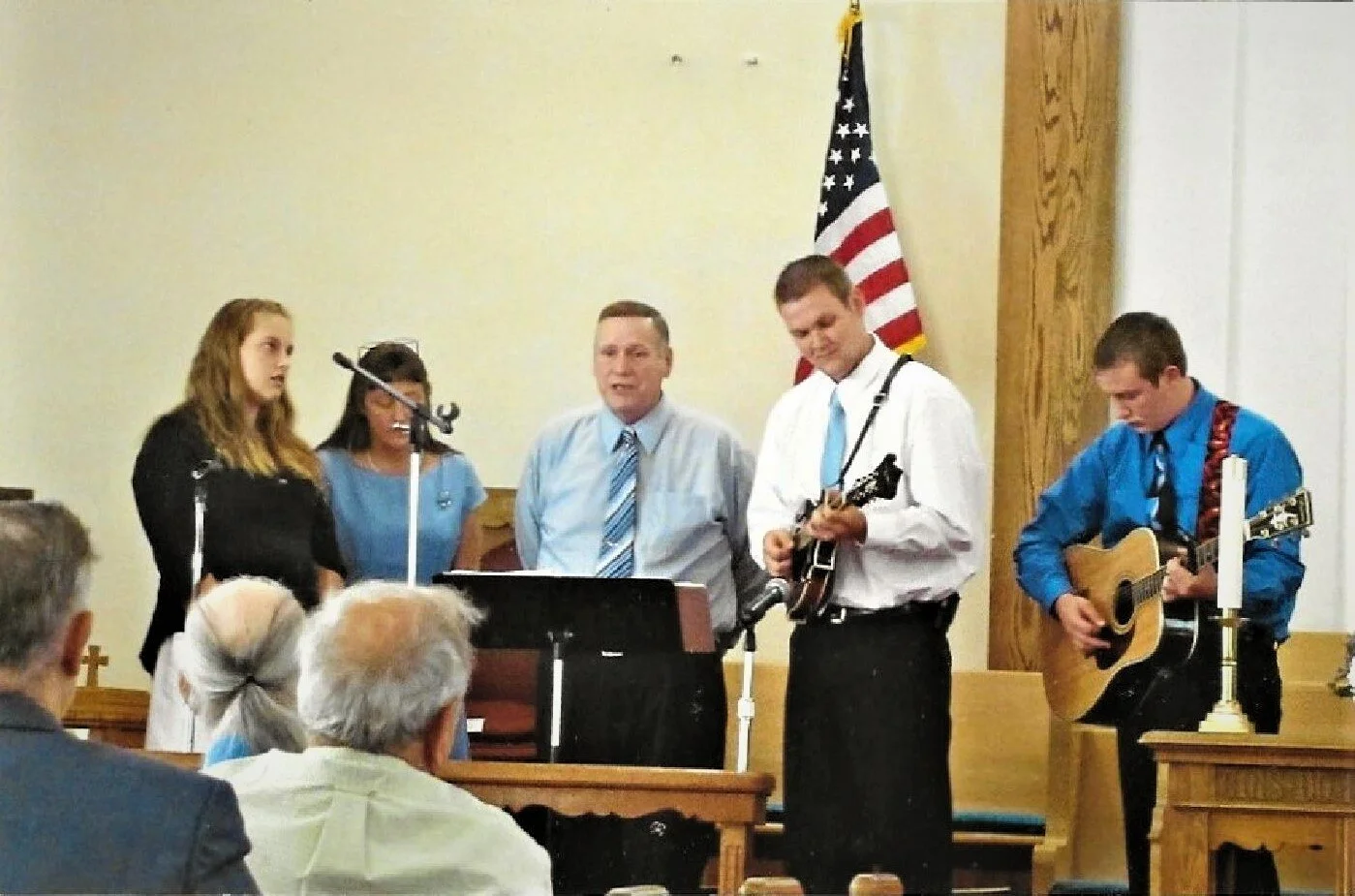
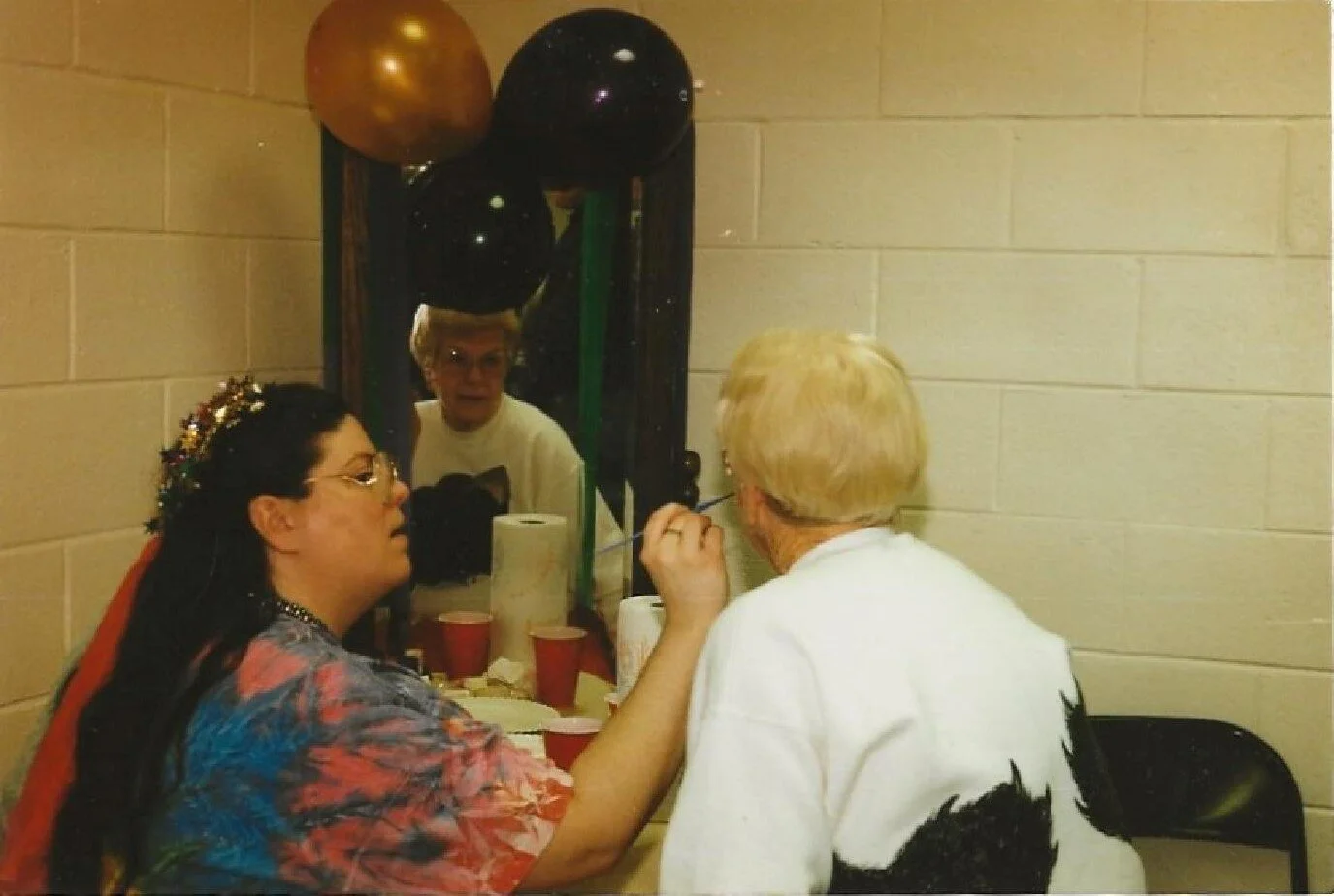
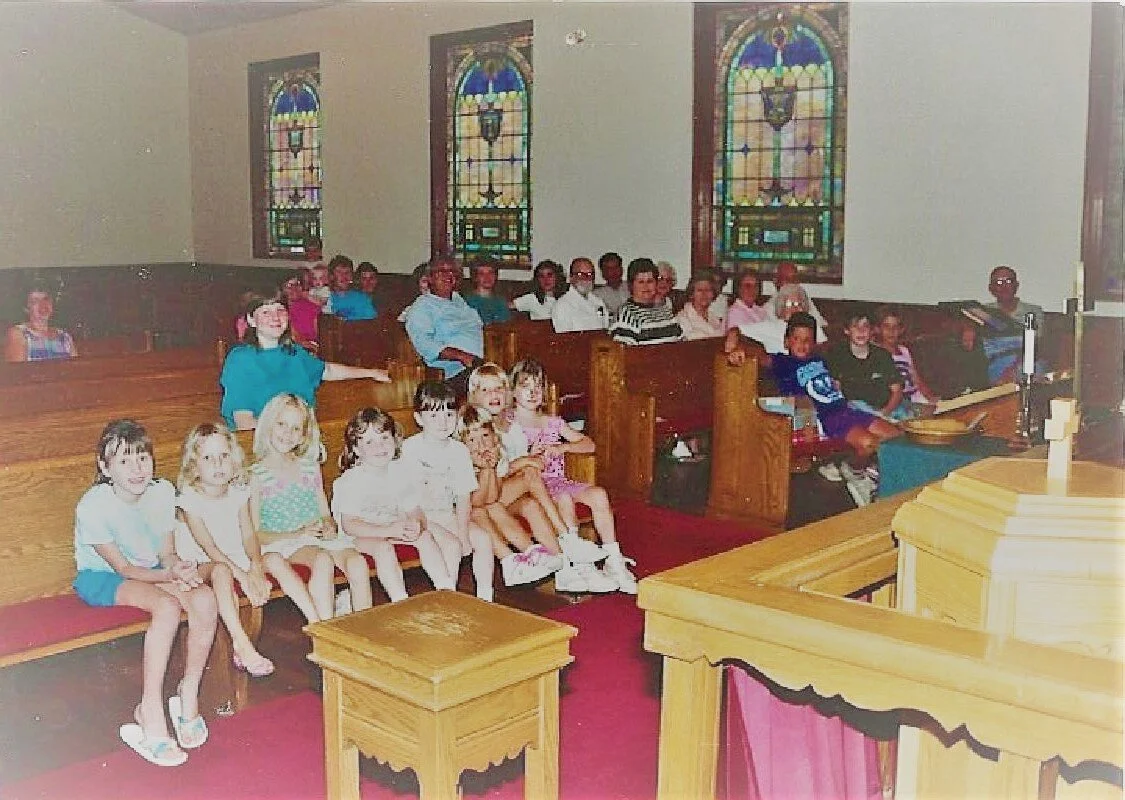
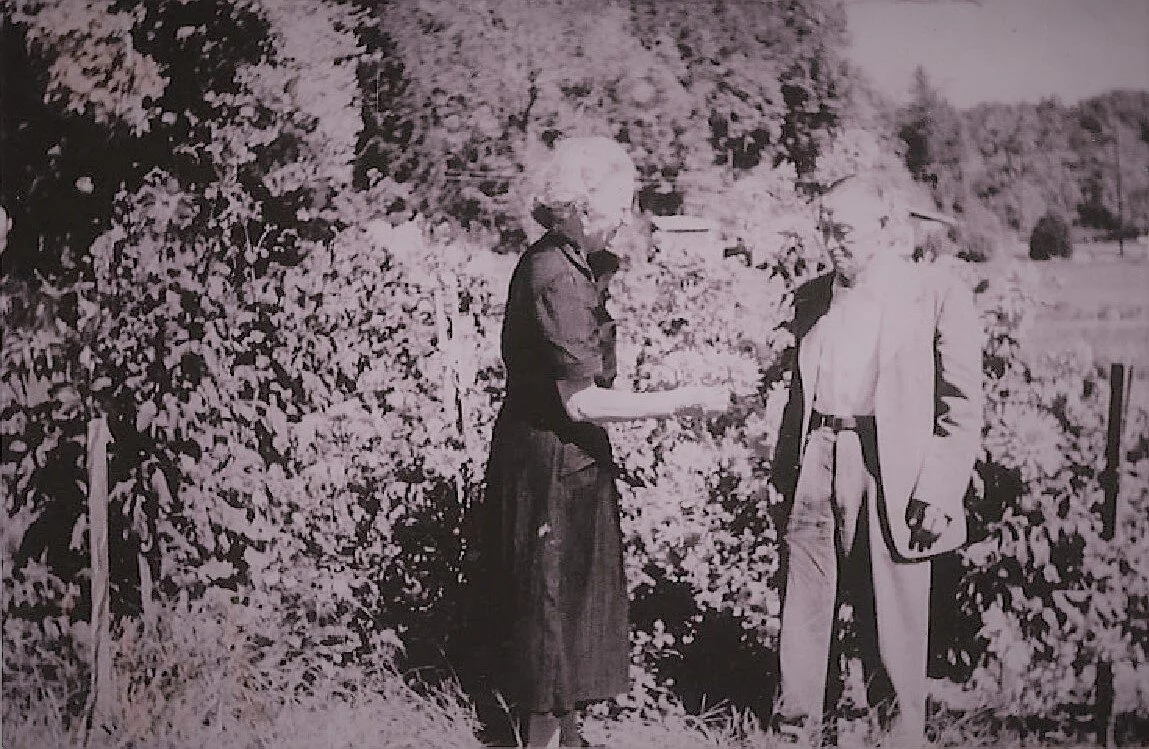
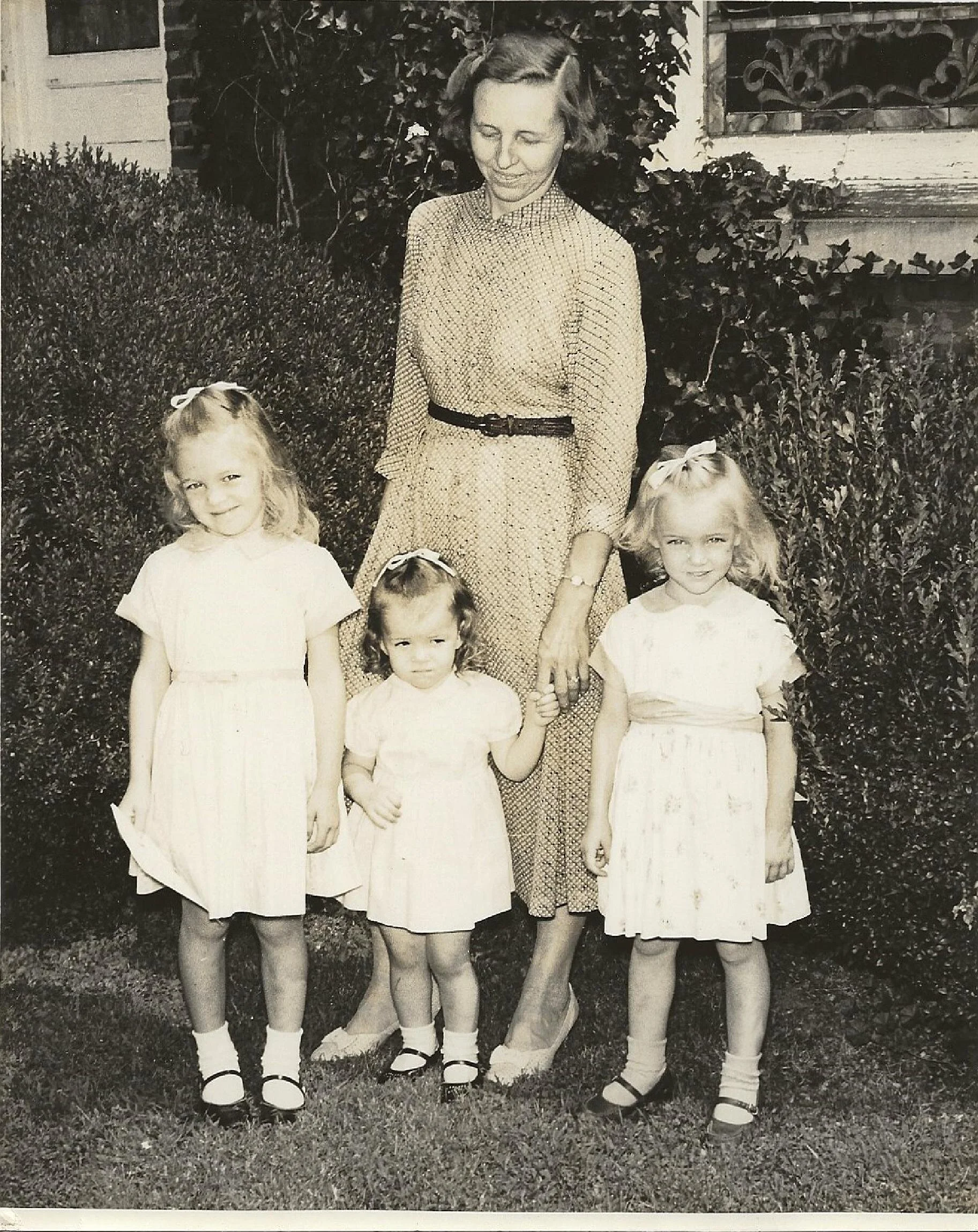
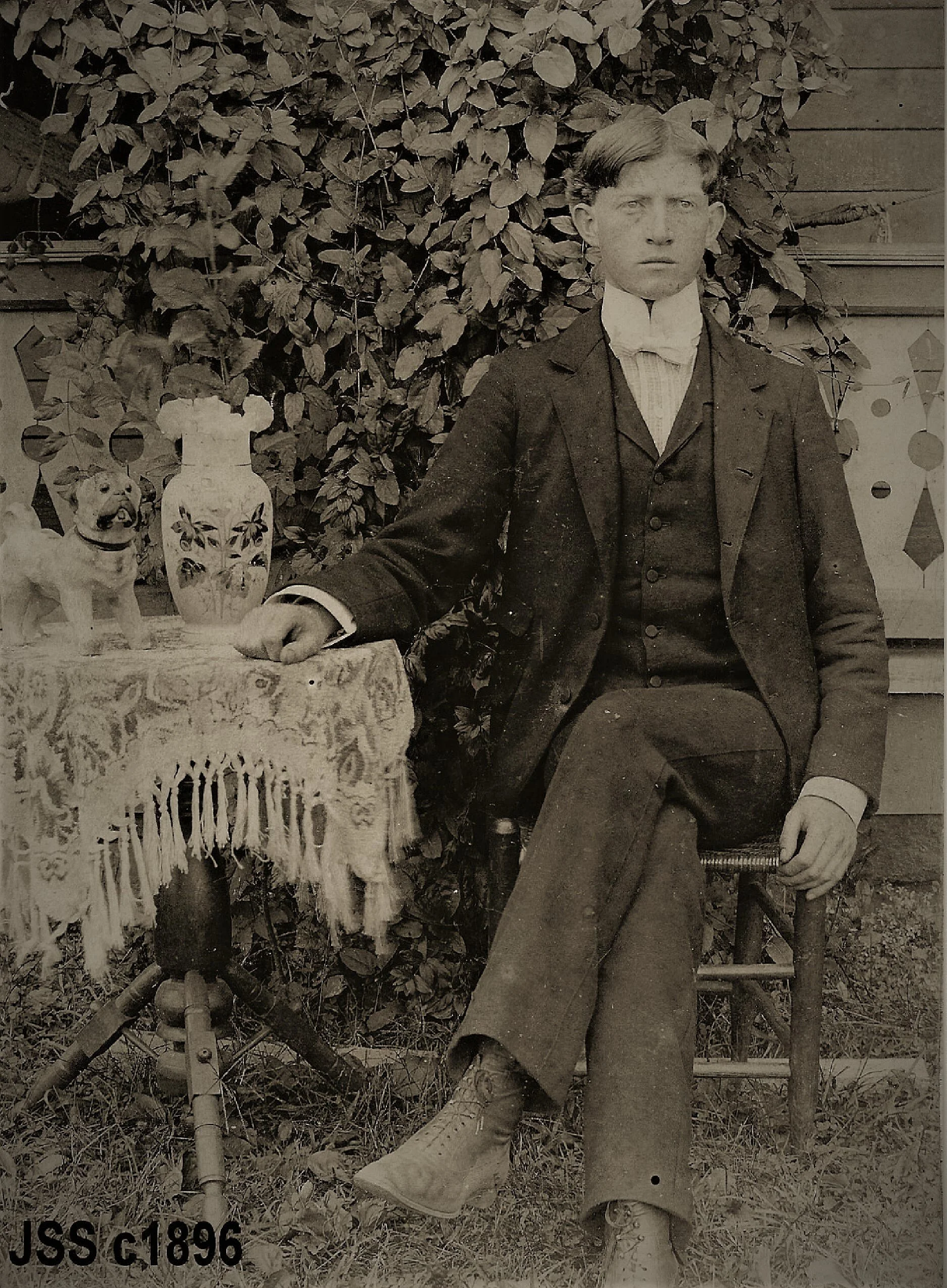
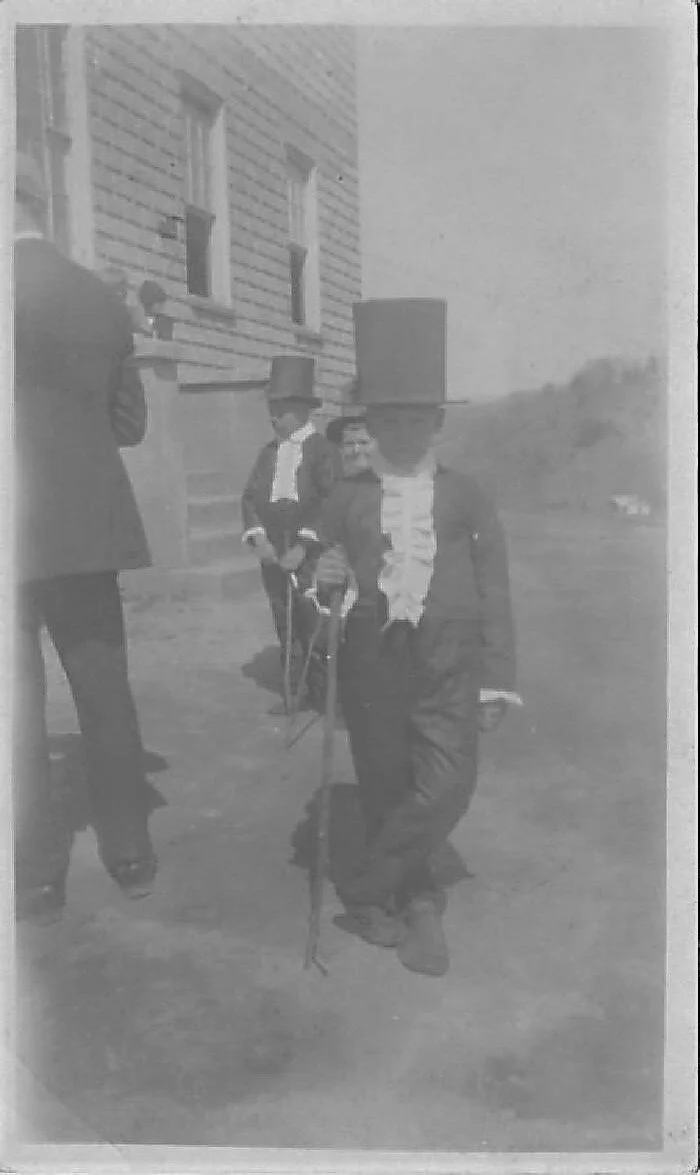
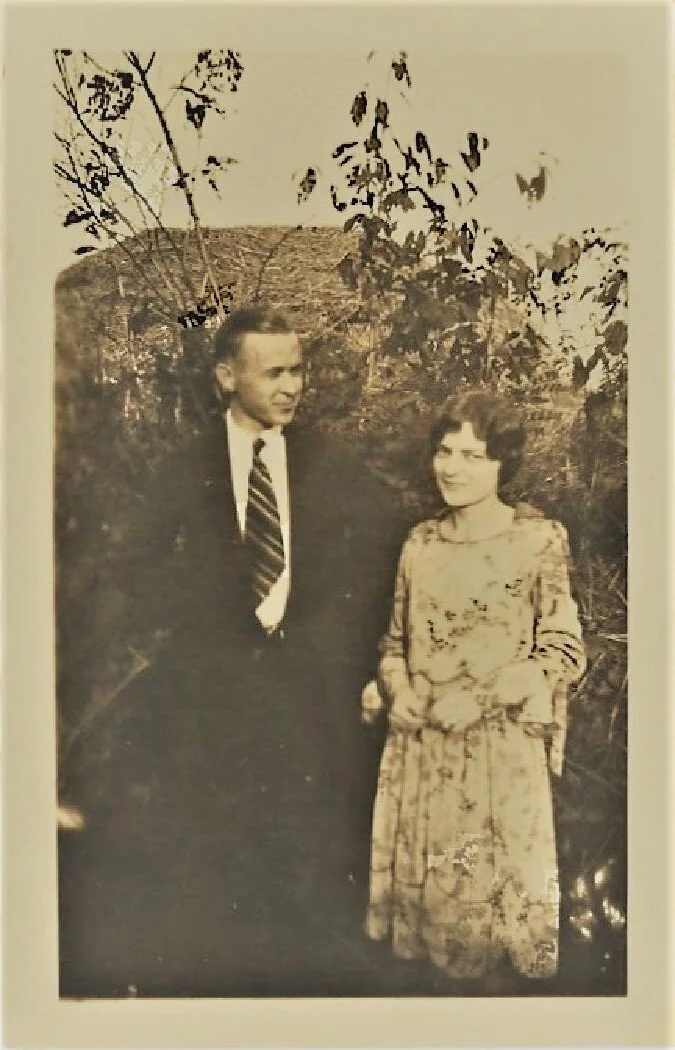
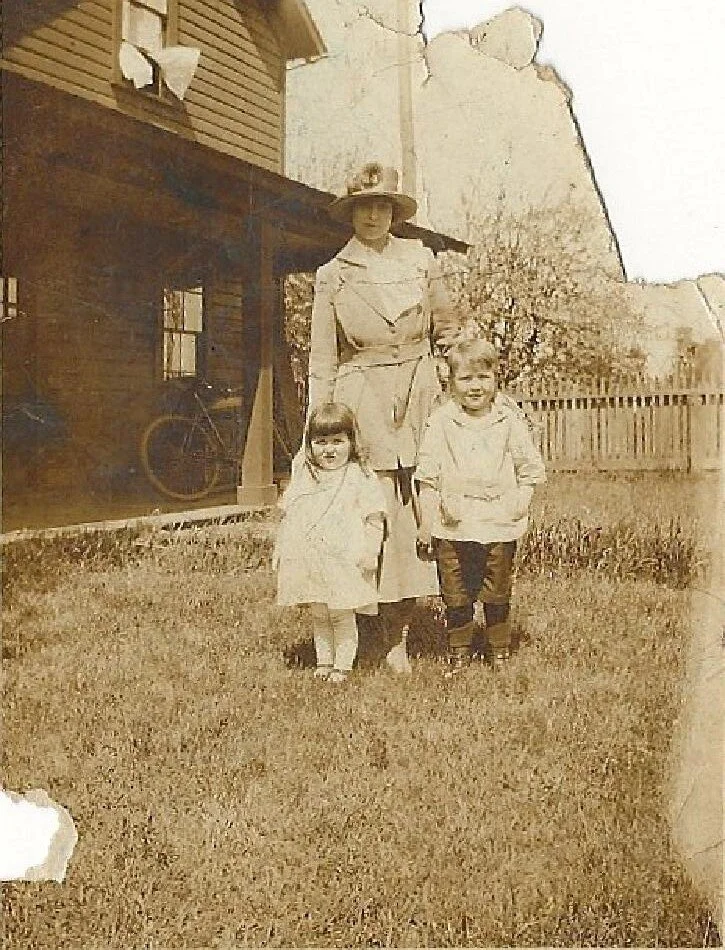
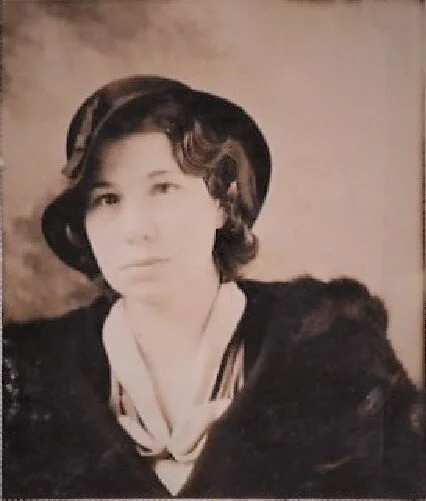
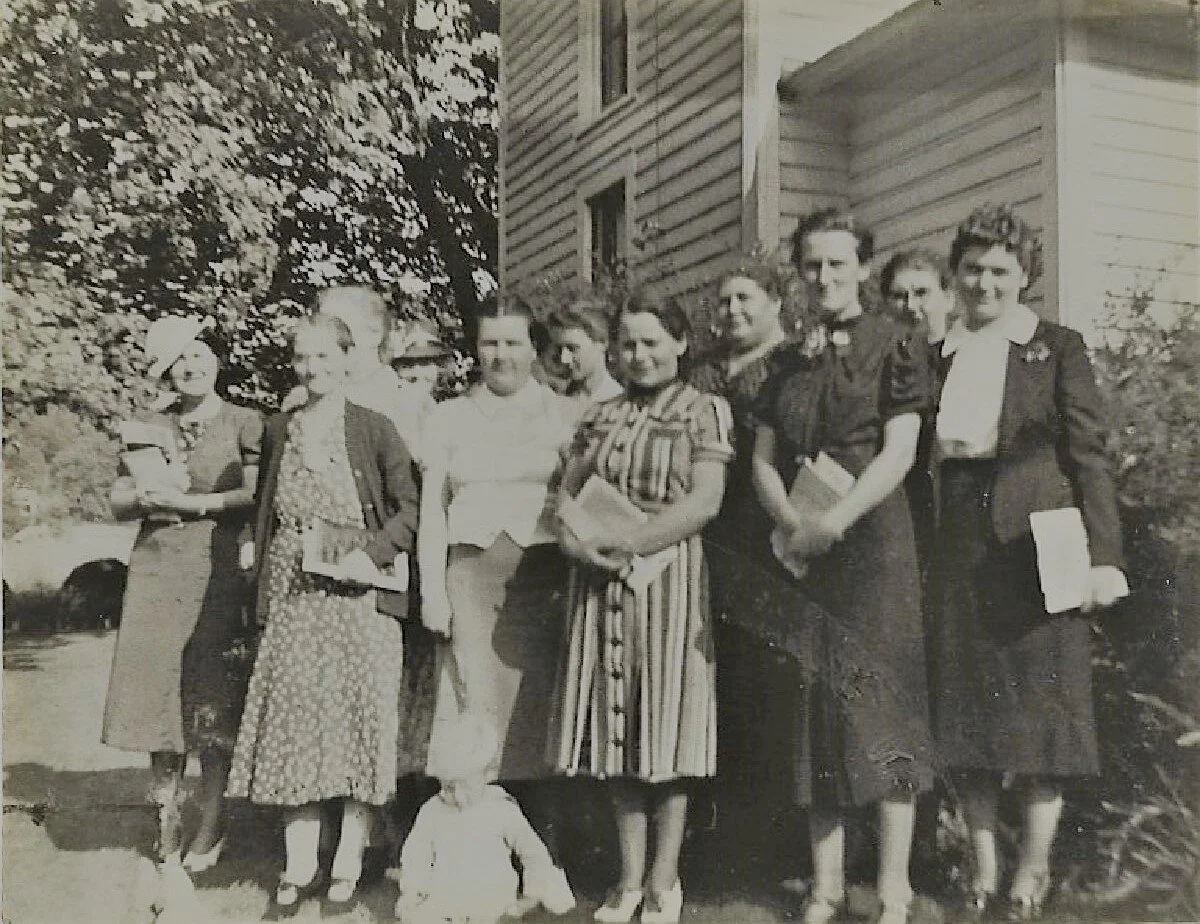
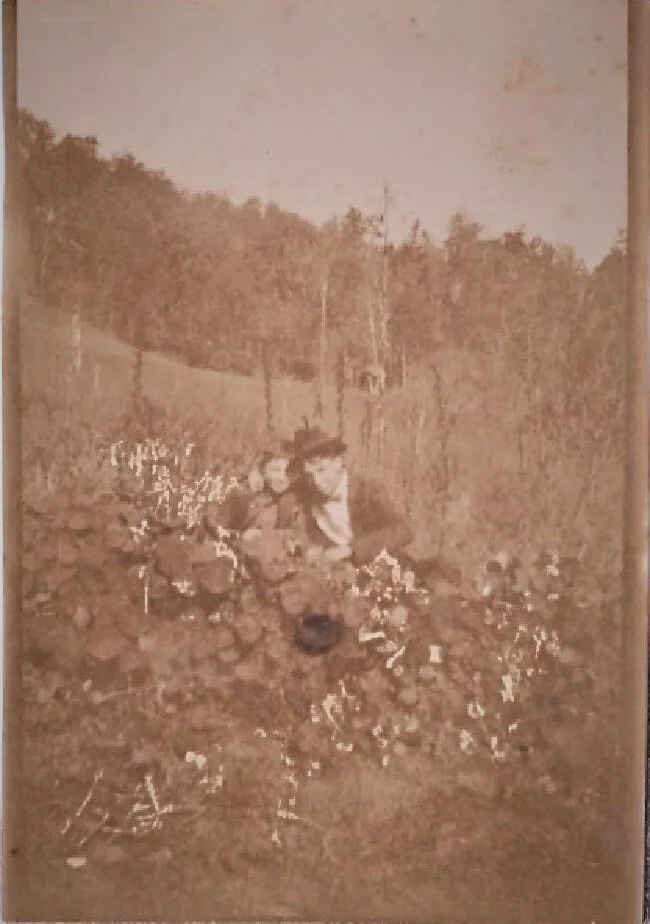
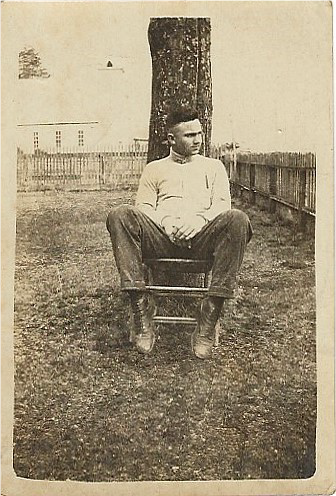
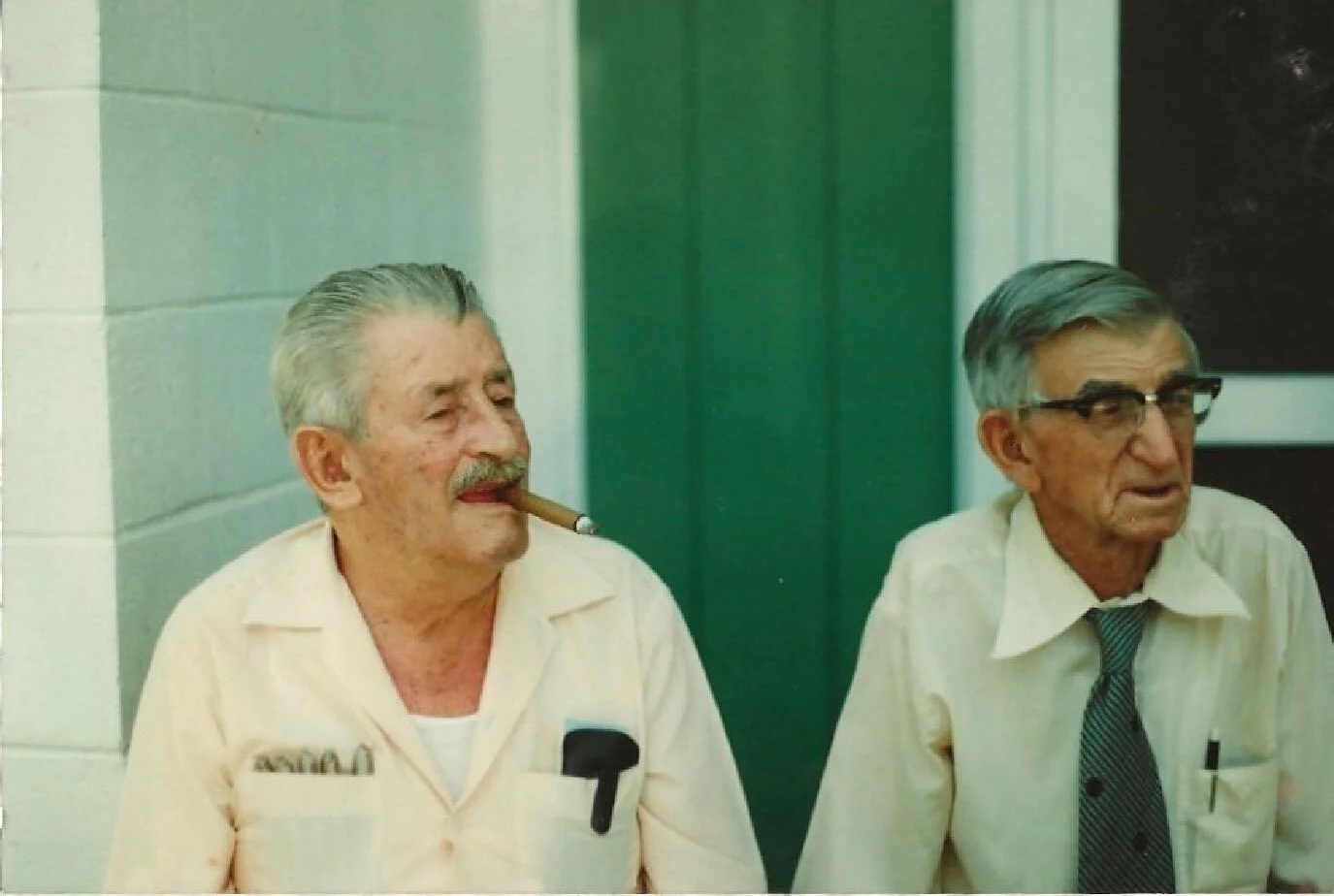
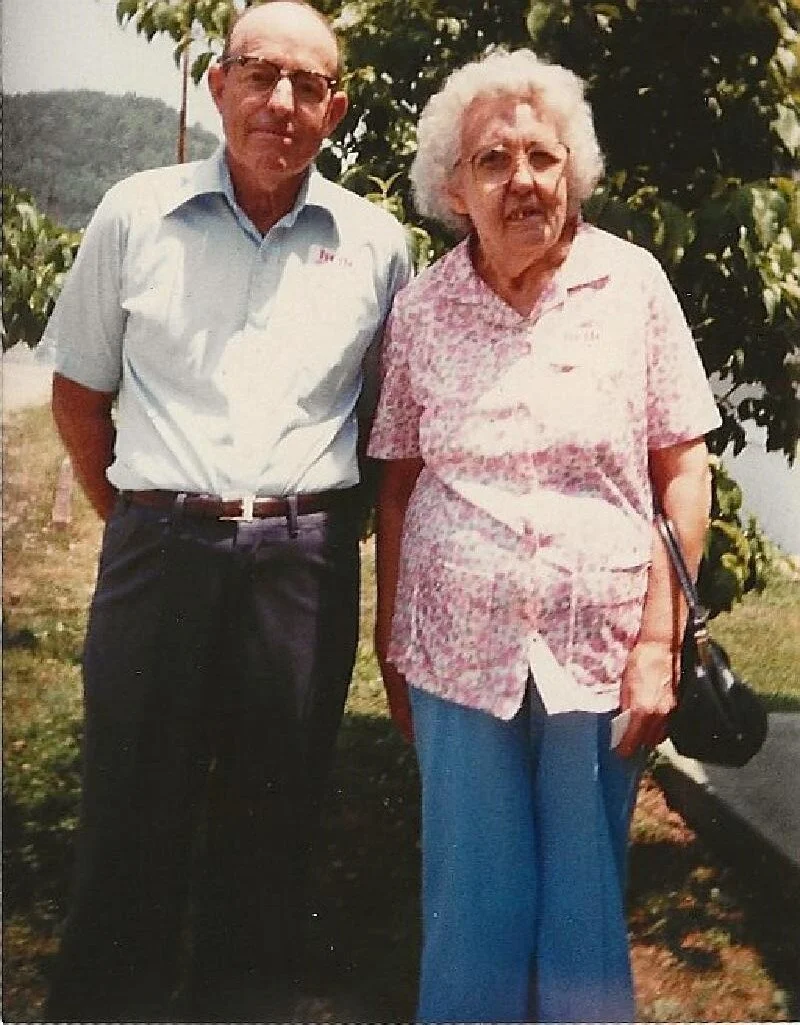
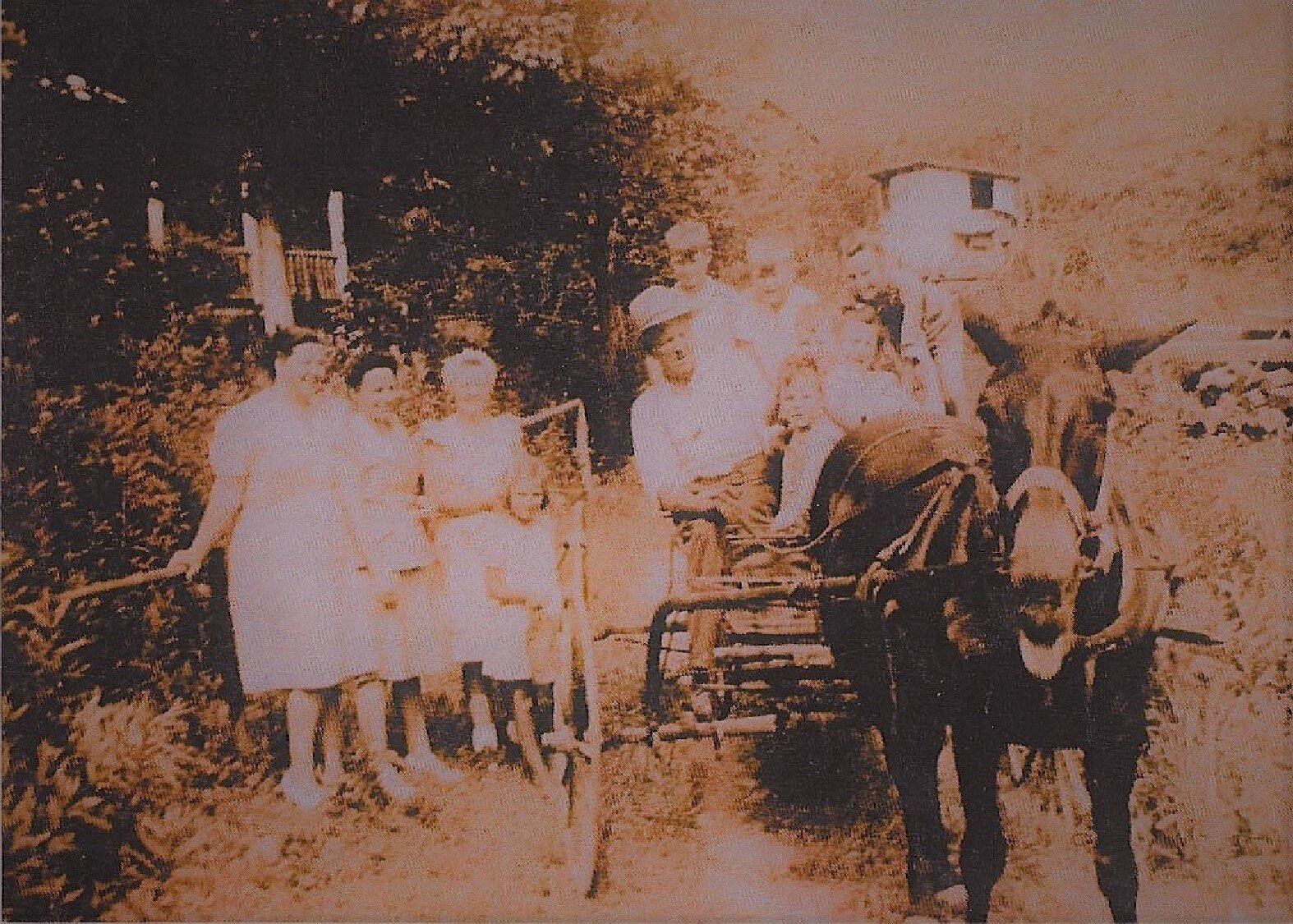
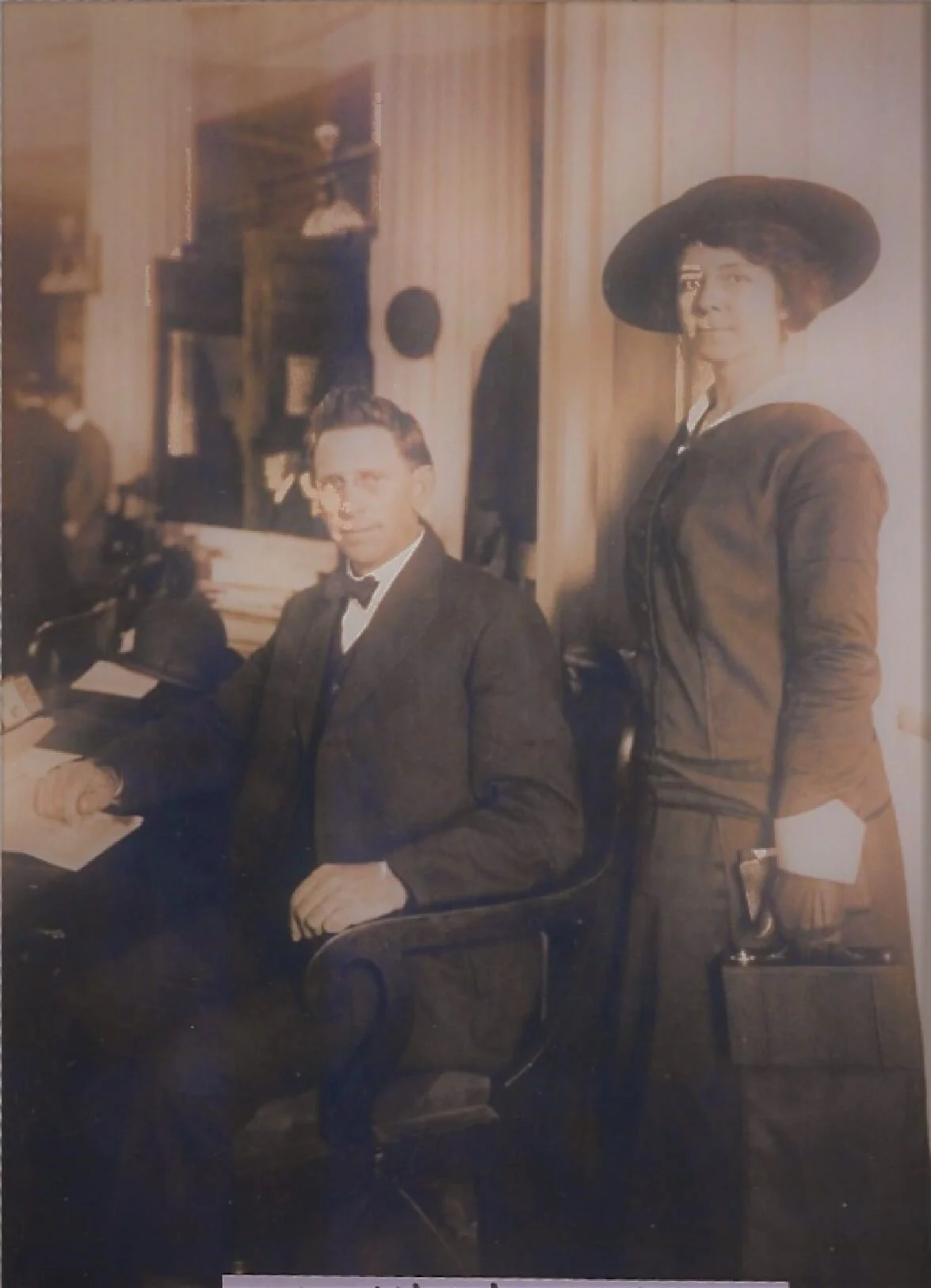
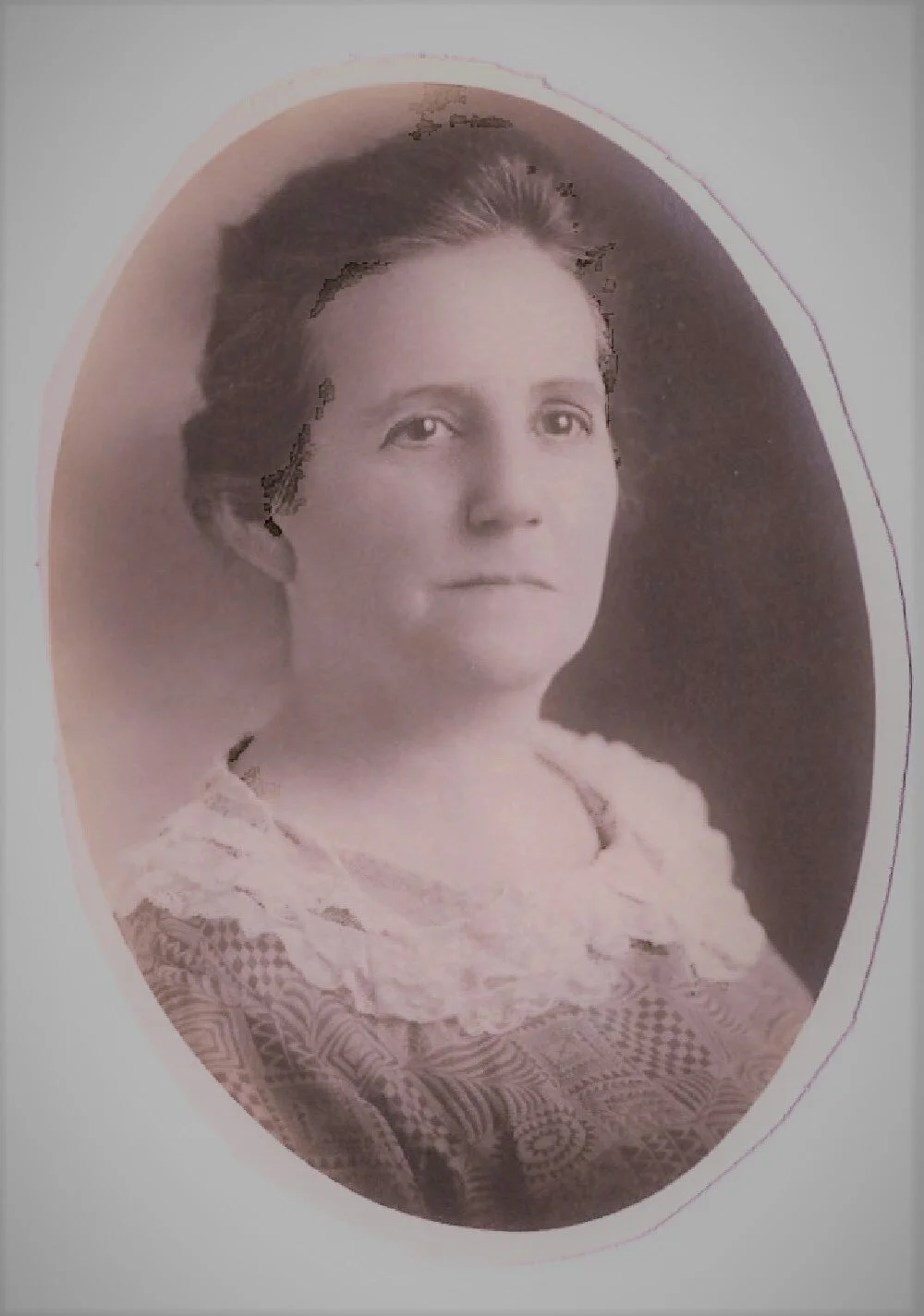
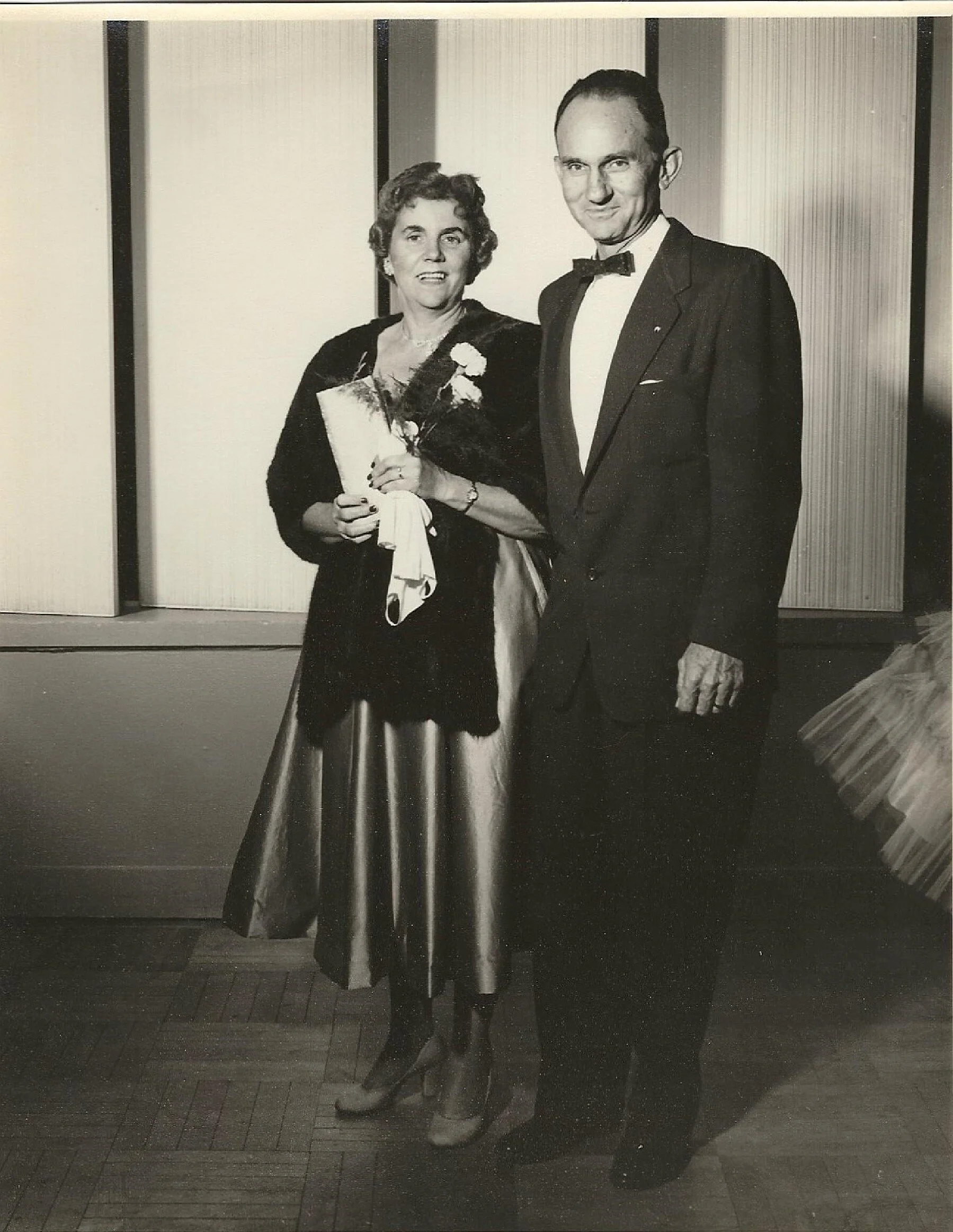
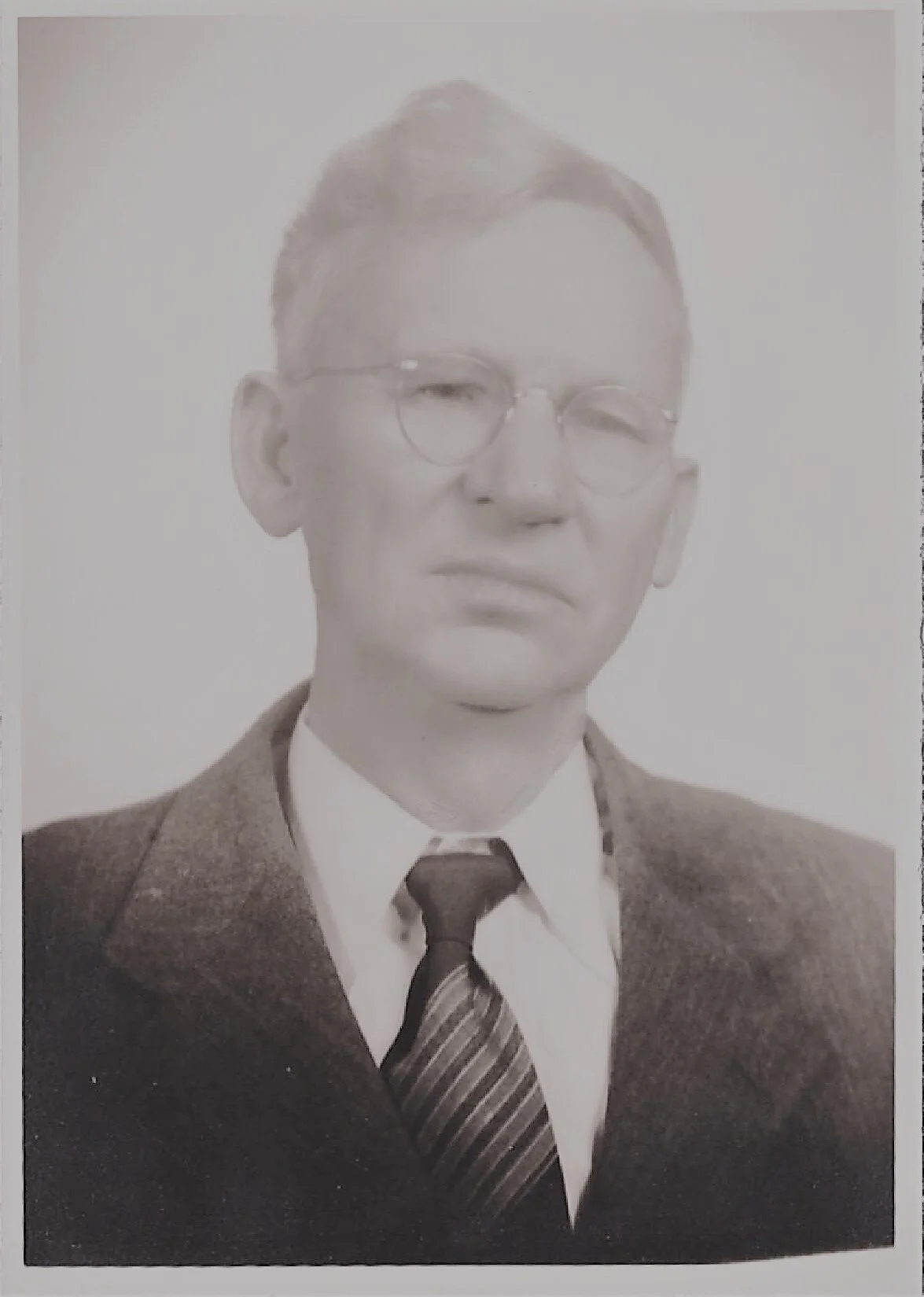
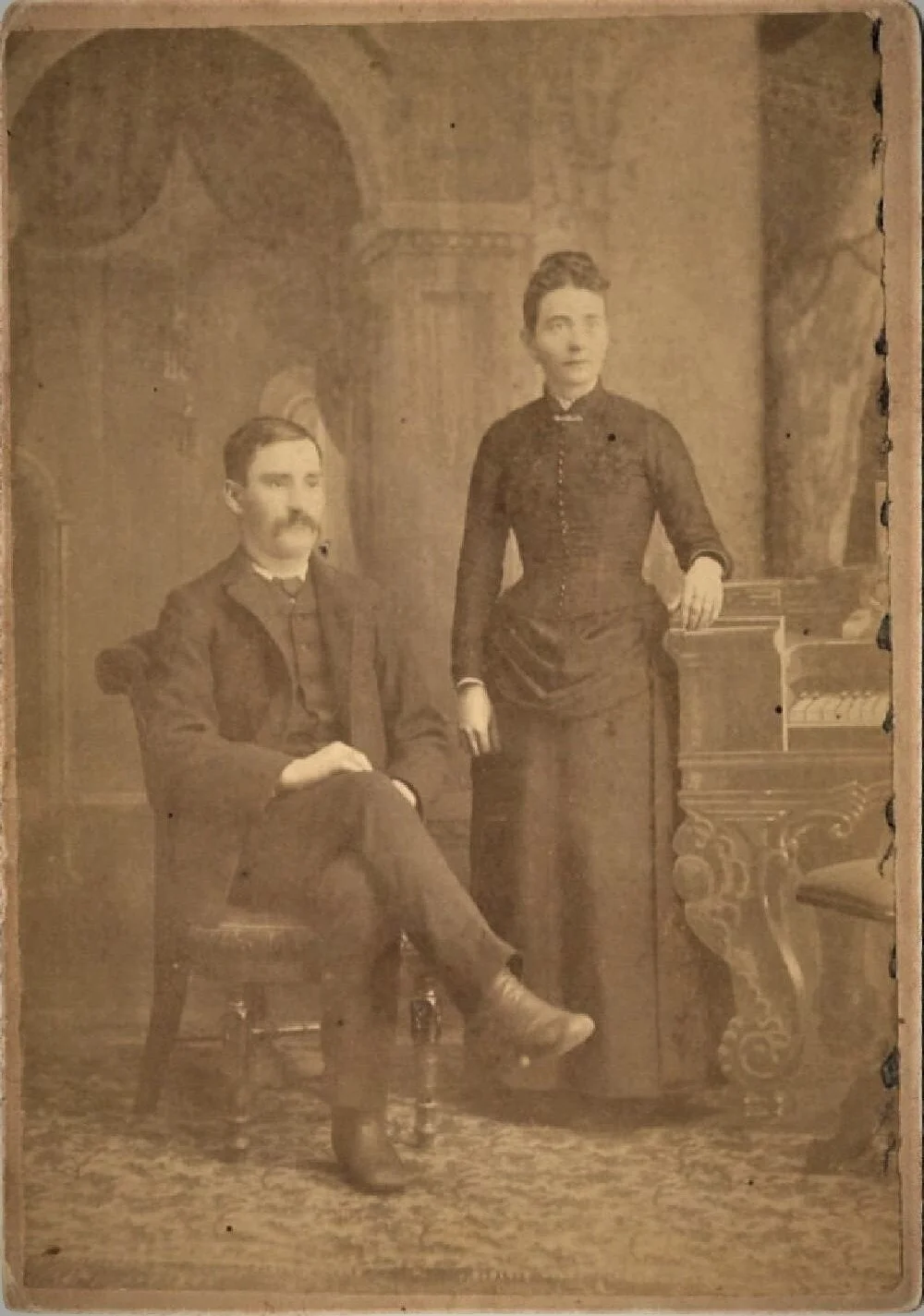
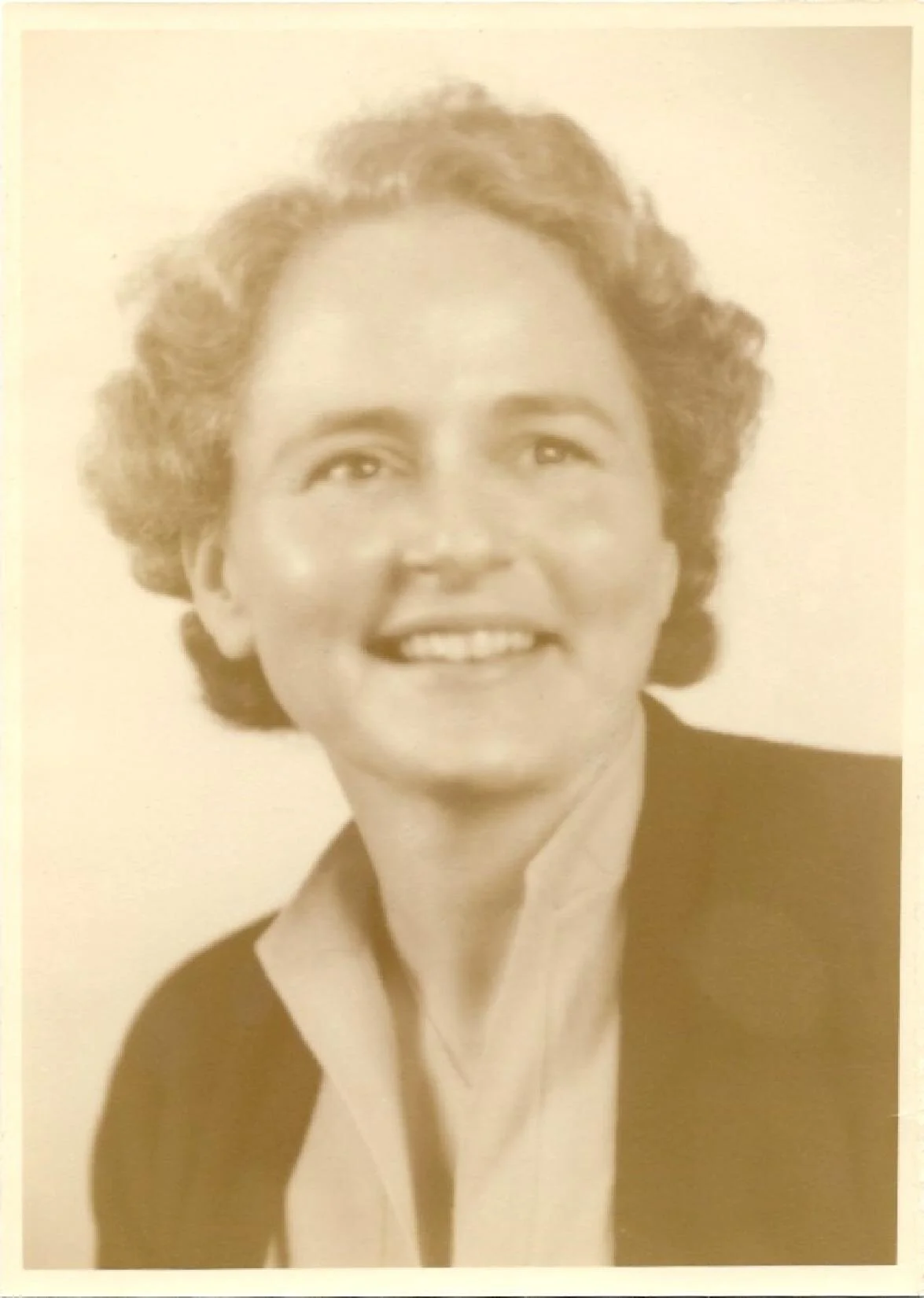
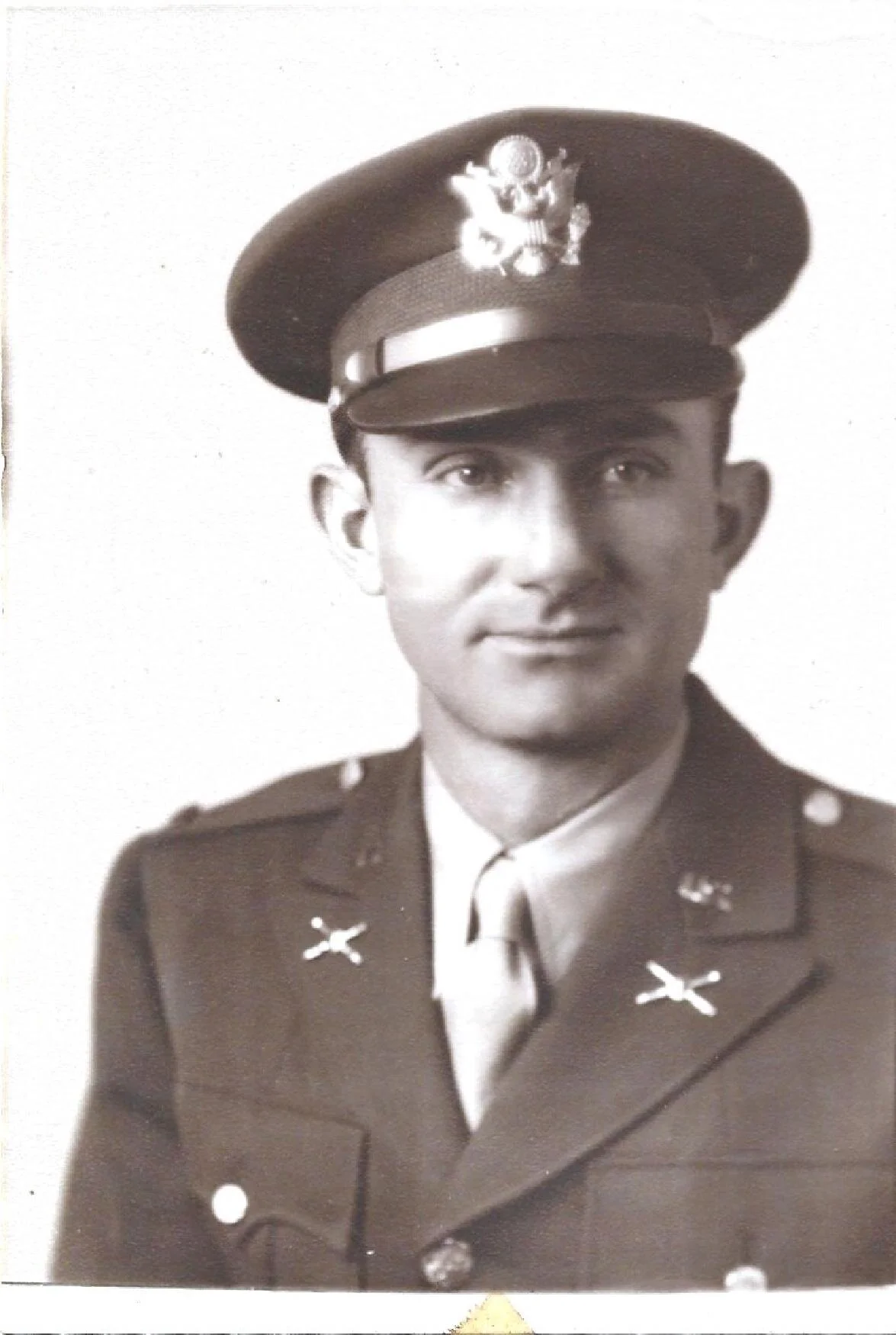
The church has, of course, continued on since 1988, making many more memories, carrying on old traditions and starting new ones. In days ahead, we’ll sit down to chronicle the past thirty years of our church, but for now, enjoy the pictures below of the people of Whittier throughout the years. If you can help us identify anyone in the older pictures, let us know!
Whittier Throughout the Years
As time goes on…
Our witness continues…